In This Article
The house is quiet, every faucet is closed, and yet you can clearly hear water moving somewhere in the walls. That sound is easy to ignore the first time. By the third night, it starts to feel like the house is trying to tell you something, and it usually is. Water that runs when nothing is on is moving somewhere it should not be, either through a fixture that is leaking silently or through a pipe that has started to fail out of sight.
The good news is that this symptom is one of the most useful clues in leak detection, because it can be tested. This guide walks you through the meter test first, then shows you how to narrow the sound down by zone, room by room, so you know whether you are dealing with a toilet that refills itself, an outdoor line, or a hidden pipe leak that needs professional detection before anyone opens a wall.
Start With the Water Meter Test
Before you chase the sound, prove that water is actually escaping. Find your water meter, usually in a box near the street, and make sure no one in the house uses any water. Note the reading, or watch the small leak indicator dial if your meter has one. If that dial creeps while everything is off, water is leaving the system somewhere.
For a stronger test, record the meter reading, leave the house quiet for two hours without flushing or running anything, then read it again. Any change means a real leak, not a sound you imagined. If the meter sits perfectly still, the noise may be a neighbor line, a pressure change, or water moving in a drain after use, and you can relax a little. If it moves, keep going.
Take a photo of the meter dial with your phone before and after the test. Numbers on a screen end arguments about whether the reading changed, and the photos give a technician a head start if you call one. Note the time of each reading as well, since the size of the change over a known period tells an experienced reader roughly how fast the water is escaping.
The Usual Suspects Behind the Sound
Most phantom running water sounds trace back to a short list of causes:

- A toilet that refills itself: a worn flapper lets tank water slip into the bowl, and the fill valve tops the tank up every few minutes, all day and night
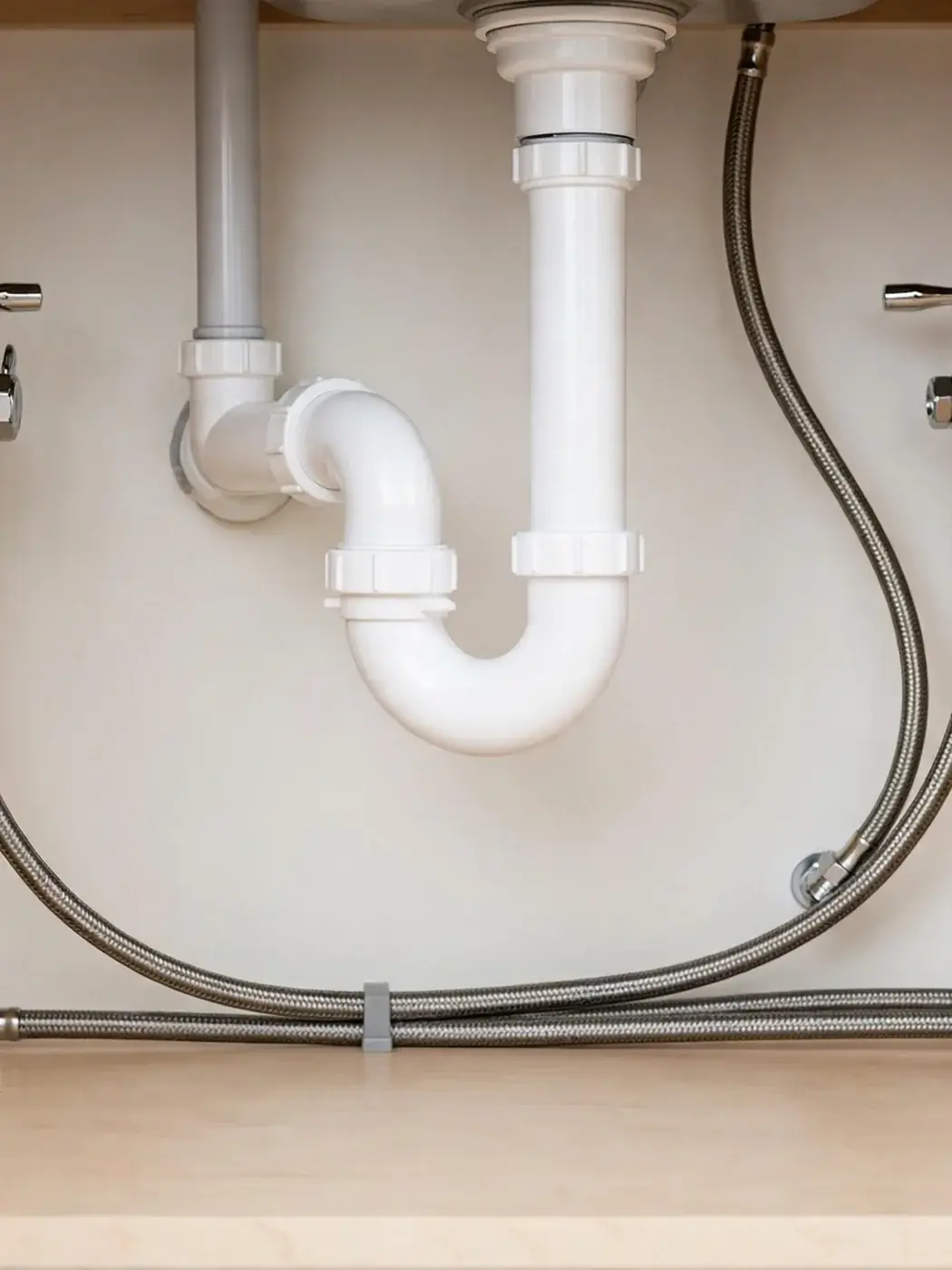
- A hidden supply line leak: a pinhole or loose joint inside a wall, under a floor, or beneath the slab
- An outdoor leak: an irrigation line, hose bib, or the buried service line between the meter and the house
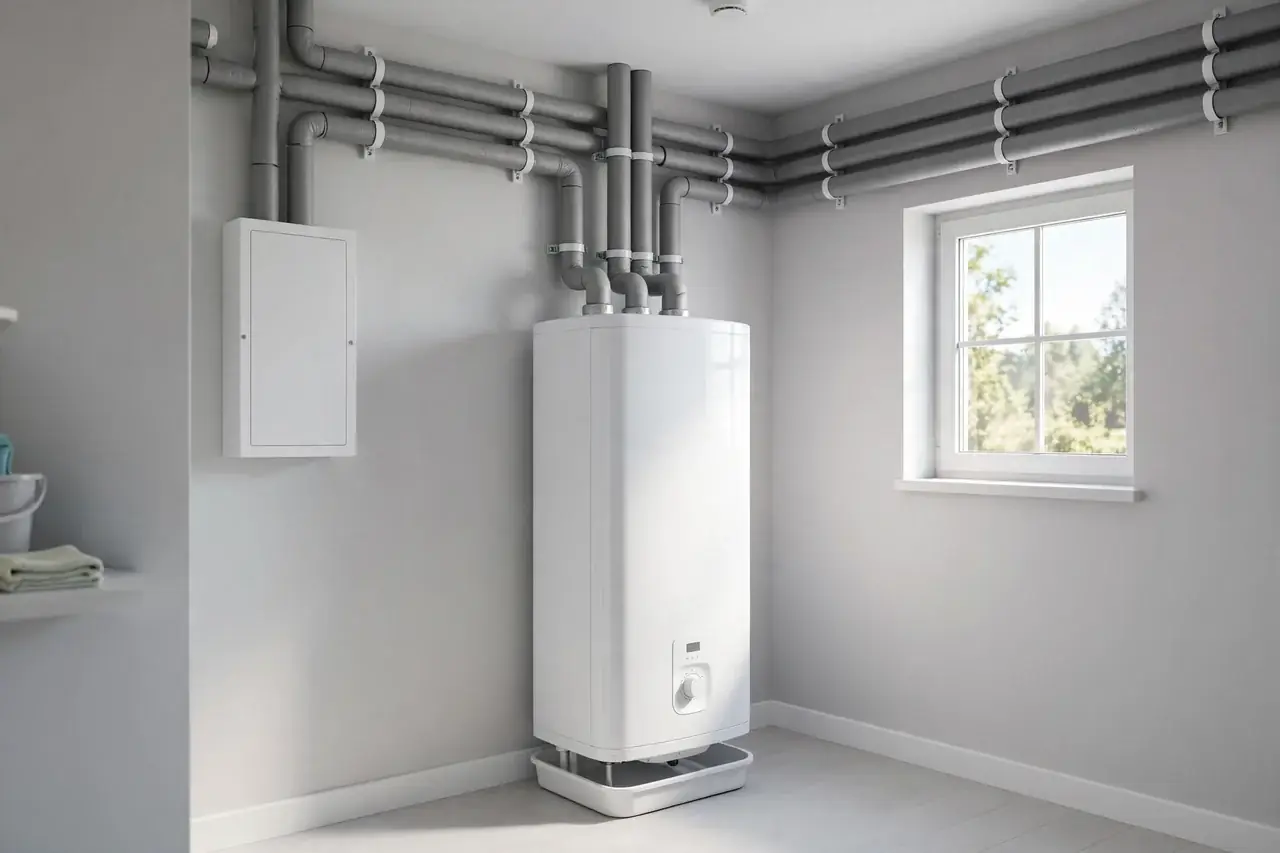
- A water heater issue: a relief valve passing water or a tank that is quietly draining through a failed part
- A softener or filter cycling: some treatment systems regenerate at night and sound like running water because they are
The pattern helps you sort them. A sound that starts and stops in short cycles usually points to a toilet. A constant, steady hiss that never changes points more toward a pressurized pipe leak.
Time of day is another clue worth noticing. A sound that only appears late at night, when street pressure rises as the neighborhood stops using water, often means a marginal leak that only opens up under higher pressure. A sound that follows laundry day or a shower points toward that fixture or its drain and supply connections. Patterns like these turn a vague noise into a short suspect list.
Narrow the Sound Down by Zone
Once the meter confirms a leak, work like a detective and split the house into zones. Start at your main shutoff valve. Close it and listen. If the sound stops, the leak is inside the house side of the system. If it continues, the problem sits between the meter and the house, out in the yard line.
Next, use the shutoff valves at each toilet. Close them one at a time and wait a few minutes after each. Toilets are the most common silent water wasters, and isolating them costs nothing. Then check the water heater shutoff, the irrigation shutoff, and any outdoor spigot valves. Each valve you close either changes the sound and the meter, or it does not, and every answer cuts the search area in half. Write down what you find as you go, because that list is gold if you end up calling a professional.
Do not forget the quiet fixtures while you work through the zones. Ice maker lines, refrigerator filters, water softeners, and humidifier feeds all draw water on their own schedules, and any of them can hiss softly behind an appliance. Pull the fridge out a few inches if the sound seems to live in the kitchen, and check the floor behind it for dampness while you are there.
How Professionals Pinpoint the Source
When the zone checks point to a hidden pipe but no wet spot shows where, guessing gets expensive. This is where professional water leak detection earns its keep. A technician starts by confirming flow at the meter, then isolates sections of the system with pressure testing to prove which branch is losing water.
From there, acoustic listening equipment picks up the faint hiss of pressurized water escaping and follows it to its loudest point. Thermal imaging can confirm the trail, since leaking water changes the temperature of walls and floors around it. For stubborn cases, tracer gas finds the exact escape point. The result is a marked location, so any opening made for repair is small and deliberate instead of exploratory. ProLine Leak Fix Pros uses this combination of acoustic, thermal, and tracer gas tools across Lynnwood and Snohomish County, and the detection happens without demolition.
Homeowners sometimes ask why detection matters if a plumber will open the wall anyway. The answer is the size of the opening. A proven location means one small, planned cut at the exact joint or pipe section that failed. A guessed location often means three or four cuts, a bigger repair bill for patching, and a leak that still hides one stud bay over. Precision is the entire point of the visit.
What Not to Do While You Investigate
A few habits make this problem worse. Do not ignore the sound for weeks because the house still works fine. A small pressurized leak runs all day and all night, and it soaks framing, subfloors, and insulation the whole time. Do not start opening walls where the sound seems loudest. Sound travels along pipes and studs, so the loudest spot in the room is often not the leak itself.
Also skip the habit of shutting the water off at night and forgetting about it. That hides the symptom while pressure changes and trapped air add stress to the system. If you find active dripping, spreading moisture, or a warm spot on the floor, treat those as escalation signs and move faster. And if your meter test shows a strong, constant loss, it is reasonable to shut the main valve until help arrives.
One more habit to avoid: turning the volume of the problem down in your mind because the sound is faint. Pressurized water does not need to be loud to be destructive. A pinhole spray inside a wall can soak insulation and framing for months while sounding like almost nothing from the next room. Faint and constant is exactly the combination that deserves respect.
Conclusion: Trust the Sound, Then Test It
Hearing water run when nothing is on is rarely your imagination. The meter test turns suspicion into fact in a couple of hours, and simple zone checks with shutoff valves often corner the cause in a toilet or a single branch of the system. When the trail points inside a wall, under a floor, or under the slab, stop there and let detection equipment finish the job precisely.
If your meter keeps moving and the source stays hidden, call ProLine Leak Fix Pros at (425) 380-0028. We will pinpoint the leak with non-invasive tools, explain what we found in plain language, and help you fix the right spot the first time.
Keep your notes from the meter test and the zone checks even after the problem is solved. They document when the leak was active and how fast it was losing water, which can be useful information for your water provider or an insurance conversation later. More importantly, they give you a baseline, so if the sound ever returns, you will know within one evening whether it is the same problem or a new one.