In This Article
You open your water bill and stare at the number. It is far higher than last month, and nothing about your routine has changed. No extra laundry, no houseguests, no new lawn watering. When a high water bill arrives with no clear reason, a hidden leak is one of the most likely causes. A pipe leaking silently inside a wall, under your slab, or out in the yard can waste thousands of gallons without ever showing a puddle.
In this guide, we will walk through the most common hidden causes of a spiking water bill, show you the simple DIY checks any homeowner can do today, and explain when it is time to bring in a professional. If you live in Lynnwood or anywhere in Snohomish County and your bill suddenly jumped, start here.
The Shock of a Spiking Water Bill
A sudden jump in your water bill feels like a billing error, and sometimes it is. Rates do change, and meters do get misread. But before you call the water company to argue, rule out the most expensive possibility first: water leaving your home through a leak you cannot see. A leak the thickness of a pencil can waste thousands of gallons per month, and a silent toilet leak can run around the clock for months before anyone notices.
The tricky part is that hidden leaks rarely announce themselves. The water soaks into soil, framing, or concrete instead of pooling on your floor. Your first and sometimes only warning is the bill. That is why water utilities themselves often tell customers with unexplained spikes to check for leaks first. If your usage chart shows a sharp climb with no lifestyle change to explain it, treat the bill as a leak alarm, not just an expense.
Common Hidden Causes of High Water Bills
Silent Toilet Leaks
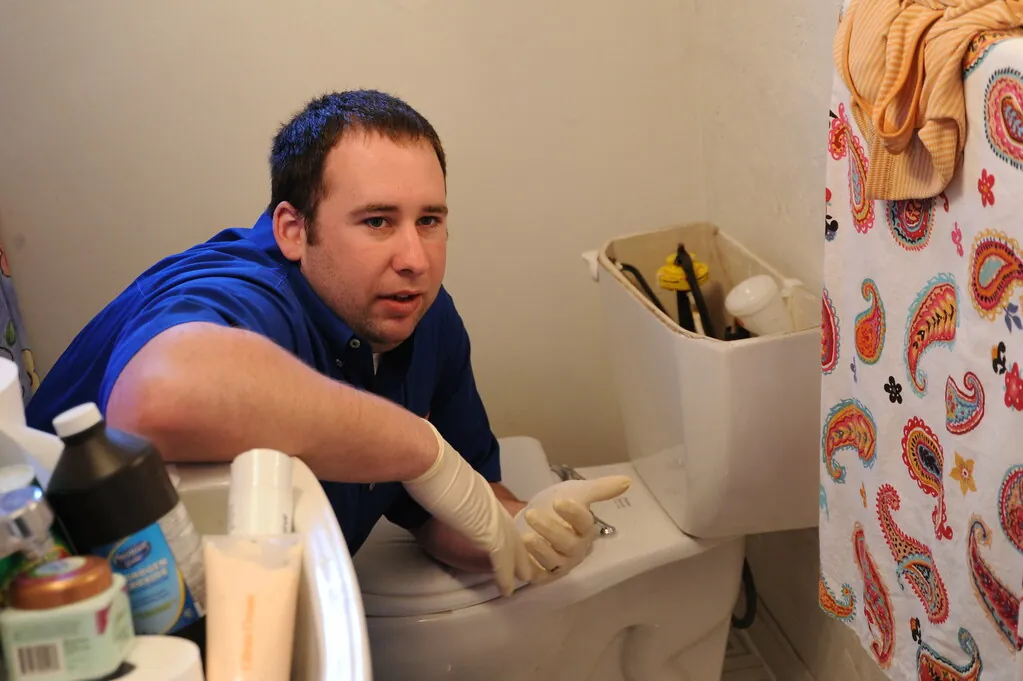
The number one cause of a mysteriously high water bill is the toilet. A worn flapper or a bad fill valve lets water slip from the tank into the bowl silently, all day and night. You will not hear it and you will not see it, but the meter keeps spinning. One running toilet can waste hundreds of gallons a day. Our guide to silent toilet leaks explains exactly how to test for this.
Slab Leaks
Hot and cold water lines run under many concrete slab foundations. When one of these pipes corrodes or cracks, water leaks directly into the ground under your home. There is no puddle, just a rising bill, and sometimes a warm spot on the floor or the sound of running water when everything is off. Slab leaks are serious because they run constantly and can damage the foundation over time.
Underground Service Line Leaks
The water line from the street meter to your house can crack from soil movement, tree roots, or age. The water drains into the ground along the pipe, so your yard may look completely normal. Signs include an unusually green strip of grass, soft or soggy patches in the yard, and the sound of water running near the meter. Learn the full list of underground water line leak warning signs.
Irrigation System Leaks
Broken sprinkler heads, cracked lateral lines, and stuck valves can dump huge amounts of water, especially in the summer watering season. Because irrigation runs early in the morning, you may never see it happen. A valve stuck open can run a zone for hours without you knowing.
Dripping Fixtures That Add Up
A single faucet dripping once per second wastes thousands of gallons per year. Add a dripping showerhead, an outdoor hose bib that will not fully shut off, and a toilet that runs for ten minutes after every flush, and small drips become a big bill. These are easy to fix, but only if you track them down.
A water bill that spikes for no clear reason is your plumbing system trying to tell you something. Do not ignore it. A few simple checks today can catch a leak that would otherwise run for months.
The Water Meter Leak Test, Step by Step
The water meter leak test is the fastest way to know whether water is escaping somewhere in your home. It takes about two hours, most of it just waiting. Here is how to do it:
- Turn off everything that uses water. No faucets, no dishwasher, no washing machine, no sprinklers, no ice maker. Make sure nobody flushes during the test.
- Find your water meter. It is usually in a box near the street or sidewalk. Lift the lid carefully and note the current reading, including the small dials or numbers.
- Write down the exact reading. Take a photo of the meter face with your phone so you have a clear record.
- Wait two hours. Use no water at all during this time. Go for a walk, run an errand, or just relax.
- Read the meter again. If the numbers moved, water flowed through the meter while everything was off, which means you have a leak somewhere on your side of the meter.
- Check the leak indicator. Many meters have a small triangle or star-shaped dial that spins with even tiny flows. If it is moving with everything off, that confirms the leak.
If the meter test shows a leak, the next step is narrowing down where. That is where the DIY checks below come in.
More DIY Checks Any Homeowner Can Do
- Toilet dye test: Drop food coloring or a dye tablet into the toilet tank, wait 20 minutes without flushing, then look in the bowl. If color appears in the bowl, the flapper is leaking and the toilet needs repair.
- Read your bill for usage spikes: Compare this month's gallons to the same month last year. A sharp jump with no change in household size or habits points to a leak, not a rate change.
- Check the irrigation system: Run each zone manually and walk the line. Look for geysers from broken heads, soggy spots, and valves that keep running after the zone shuts off.
- Listen at night: When the house is quiet, stand near the water heater, under bathrooms, and at the main shutoff. Hissing or running water sounds with everything off are classic leak signs.
- Watch for the other hidden signs: Musty smells, damp drywall, warm floor spots, and peeling paint often travel with the leaks that spike your bill. See our full list of hidden water leak signs for what to look for.
Leak Causes, How to Check, and Urgency
Use this table to match your symptoms with the most likely cause and decide how fast to act:
| Likely Cause | How to Check | Urgency |
|---|---|---|
| Silent toilet leak | Dye test in the tank; listen for refilling | High: wastes water constantly |
| Slab leak | Warm floor spots, sound of running water, meter test | Very high: can damage foundation |
| Underground service line leak | Soggy yard patches, meter test, water sound near meter | High: constant loss, soil erosion |
| Irrigation leak | Run zones manually; check for stuck valves | Medium: seasonal, but wasteful |
| Dripping faucets and fixtures | Visual check of every tap, shower, and hose bib | Low to medium: adds up over time |
When DIY Is Not Enough
DIY checks can find a bad toilet flapper or a broken sprinkler head. But if your meter test confirms a leak and you cannot find the source, or if the signs point to a slab leak or an underground line leak, it is time for professional help. These leaks hide inside concrete, behind walls, and under soil. Guessing at the location leads to unnecessary digging and drywall repair.
Professional leak detection uses acoustic sensors that hear pressurized water escaping, thermal imaging that maps wet areas inside walls and floors, and tracer gas that finds leaks other tools miss. A specialist can pinpoint the exact spot, so the repair is small and targeted. Our water leak detection service in Lynnwood is built exactly for this situation.
The Bottom Line: Your Bill Is Talking, Listen to It
A high water bill caused by a hidden leak is one of the most common plumbing problems homeowners face, and also one of the most solvable. Start with the meter test, check your toilets with the dye test, walk your irrigation zones, and listen for the sounds of running water when the house is quiet. If the leak stays hidden, do not let it run for another billing cycle.
Call ProLine Leak Fix Pros at (425) 380-0028. Our specialists will find your hidden leak fast and pinpoint it without tearing your home apart.