Water Heater Leak Detection
Water pooling around your heater? We determine exactly where it comes from: valve, fitting, supply line, or tank. Lynnwood, WA. Call (425) 380-0028.
Not Every Puddle Means a Dead Heater
Water heater leak detection starts with an important distinction: water around your heater does not automatically mean the tank has failed. Heaters leak from many points, and each tells a different story. A dripping temperature and pressure relief valve, a loose drain valve, a sweating cold water inlet, or a failing supply connection can all produce puddles that look alarming but have simple fixes. Only a leaking tank body itself means replacement is unavoidable.
Our diagnostic process works through every possibility systematically. We inspect the relief valve and its discharge pipe, check the drain valve, examine inlet and outlet connections with moisture detection, look for tank body weeping and corrosion, and rule out condensation, which frequently mimics leaks in humid utility spaces. Thermal imaging helps trace active drips to their origin even when water has spread across the floor.
This matters because the wrong diagnosis is expensive. Replacing a water heater over a ten-dollar valve wastes hundreds, while ignoring a weeping tank risks a sudden rupture that floods the surrounding area. As part of our leak detection services in Lynnwood, WA, we give you a definitive answer about what is leaking and what it means, so you spend money on the right fix.
Where Water Heaters Leak
Temperature and Pressure Relief Valve
The T and P valve releases water when temperature or pressure runs too high. A constantly dripping relief valve signals excessive pressure, a failing valve, or thermal expansion issues that need attention.
Drain Valve
The drain valve at the tank base can weep after flushing sediment or fail with age. Slow drips here are common and usually straightforward to resolve once diagnosed.
Inlet and Outlet Connections
The hot and cold connections at the tank top endure constant thermal cycling. Loose fittings, corroded nipples, and failing dielectric unions leak here, often mistaken for tank failure.
Tank Body Corrosion
Internal corrosion eventually eats through the tank wall, causing weeping or seepage from the tank body itself. This is the one leak source that means the heater must be replaced.
Supply Line Leaks
Sometimes the leak is not the heater at all but the supply piping nearby. Our acoustic detection distinguishes pipe leaks from heater leaks when the source is unclear.
Condensation
New heaters, humid spaces, and cold water inlets cause condensation that pools beneath the unit. We verify whether moisture is condensation or an active leak so you do not replace a healthy heater.
If Your Water Heater Is Leaking Right Now
Step 1: Shut Off the Water
Turn the cold water shutoff valve above the heater clockwise to stop water feeding the leak. This valve is usually on the cold inlet pipe entering the top of the tank.
Step 2: Cut the Energy Source
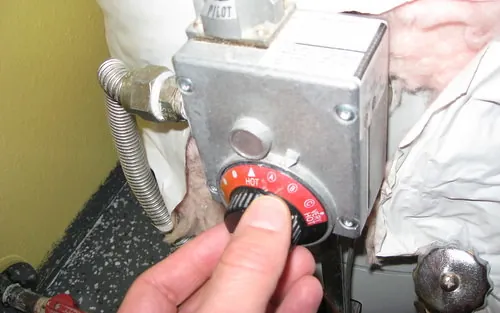
For gas heaters, turn the gas control valve to the pilot or off position. For electric heaters, switch off the dedicated breaker. Never let a heating element run dry.
Step 3: Contain the Water
Use towels, mops, and buckets to contain spreading water. If the leak is major, the drain valve can be used with a hose to empty the tank in a controlled way.
Step 4: Call for Diagnosis
Call (425) 380-0028. We will identify the exact leak source and tell you honestly whether you need a repair or a replacement, before you spend money on either.
A leaking heater can also damage surrounding areas. Our moisture intrusion inspection maps water spread into adjacent walls and flooring, and our thermal imaging traces active drips to their origin.
Understanding Your Options
Valve and Fitting Leaks
Relief valves, drain valves, and connection fittings can typically be repaired or replaced without touching the tank itself.
Supply Line Issues
Leaking supply piping near the heater is a plumbing repair, not a heater problem. Accurate diagnosis prevents unnecessary heater replacement.
Tank Body Leaks
A tank leaking from its shell cannot be reliably repaired. Replacement is the only lasting answer, and delaying risks sudden failure.
Age Matters
Heaters past their expected service life with any significant leak are usually better replaced than repaired, even when a repair is technically possible.
Accurate Diagnosis Before You Spend
- Systematic diagnosis of every possible leak point, not just a glance at the puddle.
- Condensation ruled out properly, so healthy heaters are not replaced needlessly.
- Honest repair-versus-replace guidance based on the actual failure, not sales pressure.
- Thermal imaging traces active drips to their exact origin point.
- Serving Lynnwood homeowners in Alderwood, Meadowdale, Martha Lake, Lake Serene, and North Lynnwood.
- Direct line: (425) 380-0028. No forms, no waiting.
Prevention Tips
Water heater leaks are often preventable. Annual flushing removes sediment that accelerates tank corrosion. Checking the anode rod every few years extends tank life significantly. Testing the relief valve periodically ensures it works when needed. And keeping the area around your heater clear and visible means you will notice the first sign of moisture instead of discovering a flood months later.
For active emergencies, our emergency leak detection responds fast. For general pipe issues elsewhere in the home, see pipe leak repair and our homeowner blog.
Water Heater Leak Detection FAQs
Water Around Your Heater? Get a Real Answer.
Do not replace a heater over a valve, and do not ignore a failing tank. Our diagnosis tells you exactly what is leaking and what to do.
Call (425) 380-0028 NowDirect line. No forms, no waiting.