Moisture Intrusion Inspection
Musty odors, peeling paint, mysterious dampness? We map hidden moisture and trace it to its source, without damage. Lynnwood, WA. Call (425) 380-0028.
Find Moisture Before It Becomes Damage
Moisture intrusion inspection answers a question every homeowner dreads: where is this dampness coming from? Not every moisture problem is an active pipe leak. Water enters homes through failed window flashing, roof penetrations, foundation cracks, poor exterior drainage, and condensation from inadequate ventilation. Each source needs a different fix, and guessing wrong wastes money while the real problem continues.
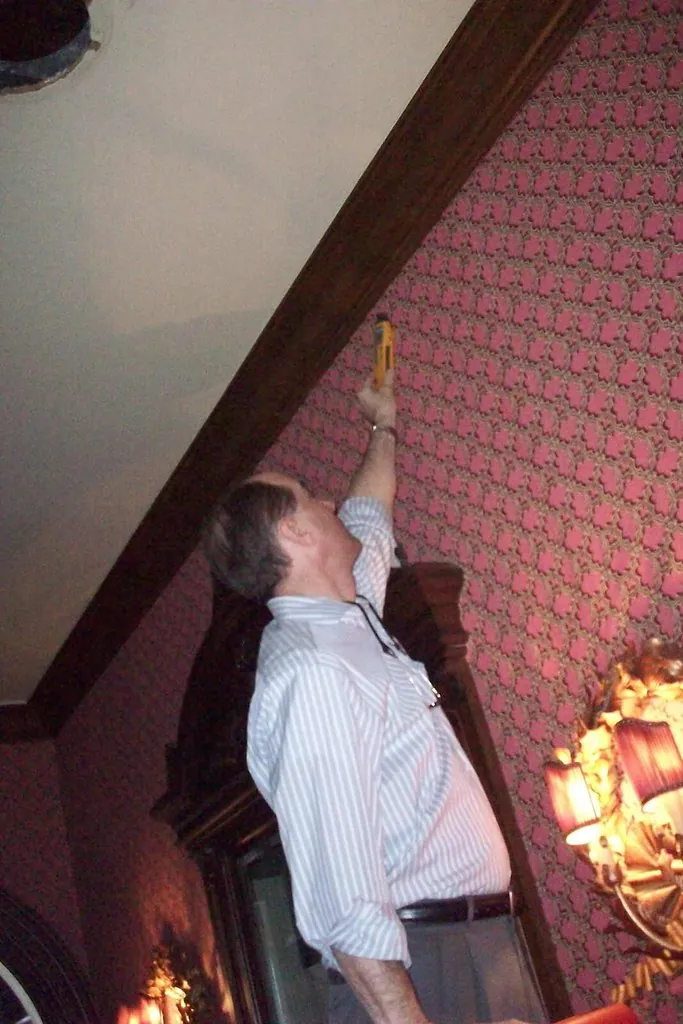
Our inspection process maps moisture scientifically. We scan your walls, floors, and ceilings with thermal imaging cameras that reveal damp patterns invisible to the eye, then verify with pin and pinless moisture meters that quantify exactly how wet each area is. By reading moisture gradients, highest at the source and fading outward, we trace water back to where it enters, whether that is a plumbing leak, an exterior failure, or a ventilation problem.
In Lynnwood's climate, moisture intrusion is a year-round concern. Our rainy season runs for months, keeping siding, foundations, and crawl spaces under constant assault. Homes in low-lying areas near Martha Lake or Lake Serene face additional groundwater pressure. A professional inspection distinguishes between these sources so you fix the right thing the first time, complementing our leak detection services in Lynnwood, WA.
Signs of Moisture Intrusion
Musty Odors
A persistent musty or earthy smell, especially in basements, bathrooms, or near exterior walls, is the most common early warning of trapped moisture and possible mold growth.
Peeling Paint and Bubbling Wallpaper
Moisture pushing through drywall from behind causes paint to peel, bubble, and flake. If repainting does not solve it, water is entering from somewhere.
Warped or Buckling Flooring
Wood floors that cup, laminate that buckles, or tiles that loosen all signal moisture from below or beside the flooring material.
Visible Mold Growth
Mold on walls, ceilings, baseboards, or window frames means sustained moisture. Mold is a symptom: the inspection finds the water source feeding it.
Water Stains
Yellow or brown stains on ceilings and walls mark where water has traveled. Our inspection determines whether the source is still active or a past event.
Condensation Problems
Chronic window condensation, damp closets, or clammy-feeling walls suggest ventilation or insulation issues trapping moisture inside your home.
How a Moisture Inspection Works
Step 1: Interview and Visual Survey
We start by listening: when did you notice the problem, where does it appear, does it worsen with rain? Then we visually survey the affected areas and likely water entry points, inside and out.
Step 2: Thermal Imaging Scan
Infrared cameras scan walls, floors, and ceilings to reveal the full extent of damp areas. This shows us moisture you cannot see and, critically, where moisture is not present, narrowing the investigation.
Step 3: Moisture Meter Verification
Pin and pinless meters quantify moisture levels at key points. These precise readings distinguish active wet areas from old dried stains and let us map the moisture gradient back toward its source.
Step 4: Source Identification and Report
Combining thermal patterns, moisture readings, and building knowledge, we identify the most likely moisture source and explain it in plain English, with clear findings you can act on or share with contractors.
When the source turns out to be a plumbing leak, our acoustic detection pinpoints it precisely. For suspected foundation-related entry, see our slab leak detection service.
Where Intrusion Comes From
Plumbing Leaks
Hidden supply or drain leaks soak framing and drywall from inside. Our detection background makes these fast to confirm or rule out.
Exterior Failures
Failed flashing, cracked siding, and worn sealants let rain drive into wall assemblies during our long wet season.
Foundation Entry
Cracks, porous concrete, and hydrostatic pressure push groundwater through foundations into basements and crawl spaces.
Condensation
Poor ventilation in bathrooms, kitchens, and attics traps humid air that condenses on cool surfaces and feeds mold.
Moisture Expertise, Not Guesswork
- Professional thermal imaging reveals the complete moisture picture, not just visible stains.
- Calibrated moisture meters quantify dampness so findings are factual, not subjective.
- Source tracing, not just symptom spotting: we follow moisture gradients to where water enters.
- Leak detection background means plumbing sources are confirmed or ruled out with authority.
- Serving Lynnwood neighborhoods including Alderwood Manor, Meadowdale, Picnic Point, and Halls Lake.
- Direct line: (425) 380-0028. No forms, no waiting.
Why Moisture Mapping Matters for Repairs
Contractors can only fix what they can see, and moisture hides. Our inspection gives you and your contractor a documented map of affected areas, so repairs address the full problem: the source, the spread, and the drying needed afterward. This prevents the all-too-common cycle of fixing the stain while the leak continues behind the new paint.
For active water threats, see our emergency leak detection. For ongoing learning, visit our blog for guides on moisture, mold, and hidden leaks.
Moisture Intrusion Inspection FAQs
Dampness You Cannot Explain? Get Answers.
Our moisture intrusion inspection maps hidden dampness and traces it to its source, so you fix the right problem the first time.
Call (425) 380-0028 NowDirect line. No forms, no waiting.