In This Article
A running toilet is easy to live with for exactly one reason: it still flushes. The water keeps moving, the bowl keeps filling, and life goes on, while behind that normal behavior the toilet may be pouring treated water straight into the drain around the clock. Of all the leaks in a home, this is the one most likely to be both large and long lived, because it hides in plain sight and makes just enough noise to become background.
So how much water does it really waste? The honest answer is that it depends on the size of the leak, and this guide shows you how to measure your own rather than trust anyone's average. It covers the silent tank to bowl leak you cannot hear, the hissing fill valve you can, the simple dye test that proves what is happening, and the small parts whose failure causes nearly every case. The numbers, once you compute them for your toilet, tend to end the procrastination on their own.
Two Kinds of Running, Two Kinds of Waste
A toilet wastes water in two distinct ways. The first is the audible run: the fill valve never fully closes, water keeps entering the tank, and the excess escapes down the overflow tube in a steady stream. You can hear this one as a constant hiss or trickle, and it wastes water at whatever rate the valve allows, hour after hour, day after day, whether anyone is home or not.
The second is the silent leak. The flapper, the rubber seal at the bottom of the tank, no longer seals perfectly, so tank water seeps into the bowl invisibly. The tank level slowly drops until the fill valve wakes up and tops it off, sometimes for a minute every hour, sometimes every few minutes. Homeowners know this one as the phantom flush, the toilet that briefly runs at 3 in the morning with nobody near it. Silent leaks are often larger than audible ones by the time they are found, simply because nothing announced them.
Measure Your Own Waste With Simple Math
Forget averages. Your toilet's waste is measurable with a pencil and the water meter:
- Mark the tank water level inside the tank, then turn off the toilet's supply valve and wait an hour without flushing. A level that dropped proves a tank to bowl leak, and the drop shows its pace.
- For a constantly running valve, note how long the toilet takes to refill after a flush, and how often it refills on its own in an hour. Multiply refills per hour by the tank's refill amount and by 24, and you have your daily waste.
- Check the meter: with every fixture in the house off, a moving leak indicator often slows dramatically when you close the toilet supply valve. The difference is the toilet's share.
Run the arithmetic honestly and the scale surprises most people. Even a modest seep that refills a tank a few times an hour adds up to a large daily total, and a steady stream through an overflow tube can outpace the entire rest of the household's use. A running toilet left for a month between meter readings can explain a shocking bill all by itself, which is why utilities across Snohomish County name it first when a bill spikes without explanation.
The Dye Test: Proof in Fifteen Minutes
For the silent leak, the dye test is the classic proof. Remove the tank lid, add a few drops of food coloring or a dye tablet to the tank water, and wait fifteen minutes without flushing. Then look in the bowl. If colored water has appeared in the bowl, tank water is leaking past the flapper, full stop. No color means the seal is holding, at least today.
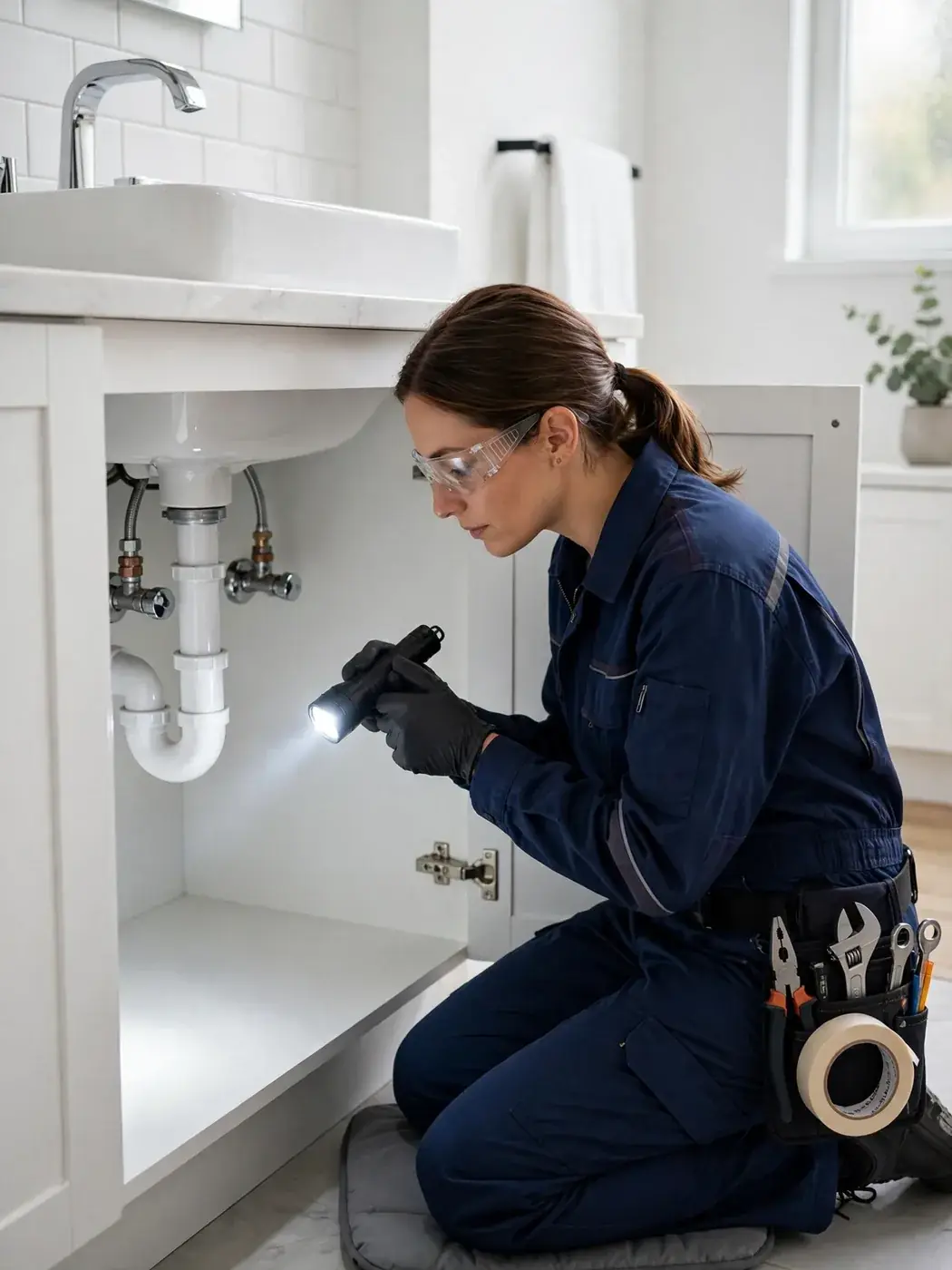
While the lid is off, look at the hardware with fresh eyes. A flapper that feels stiff, warped, or slimy is a flapper at the end of its life. A chain with too much slack can hold a flapper partly open after a flush. A water level set above the overflow tube guarantees constant waste no matter how good the parts are. Most running toilets confess their cause to anyone who lifts the lid and looks, which is good news, because most causes are small parts, not new toilets.
Landlords and property managers know this leak by its effect on a building's water bill, because one running toilet in one unit can bend the numbers for an entire property. Homeowners feel the same effect at smaller scale: the bill that jumps one cycle and stays jumped, with no new baby, no new lawn, and no explanation at the fixtures anyone uses. When a bill changes its personality and stays changed, a toilet that runs a little all the time belongs at the top of the suspect list, ahead of almost everything else in the house, because it is common, constant, and so often silent.
The Usual Fixes, From Smallest to Largest
Nearly every running toilet traces to one of a handful of parts:
- The flapper: worn, warped, or mineral crusted flappers are the top cause of silent leaks, and replacement is quick and inexpensive in effort
- The chain or handle linkage: a tangled or tight chain holds the flapper off its seat after every flush
- The fill valve: a valve that hisses constantly or never shuts off needs cleaning or replacement
- The water level setting: a float set too high sends water down the overflow tube around the clock
- The flush valve seat: a pitted or corroded seat defeats even a new flapper and needs resurfacing or replacement of the assembly
One more check belongs on the list, and it is outside the tank. Feel the supply line and the floor around the toilet base. A toilet that wastes water inside the tank is a bill problem, but a toilet leaking at its base or its supply connection is a water damage problem, quietly soaking the floor and the ceiling below. Fix the runner, and always spare thirty seconds to check for the leaker.

How Professionals Hunt Whole House Waste
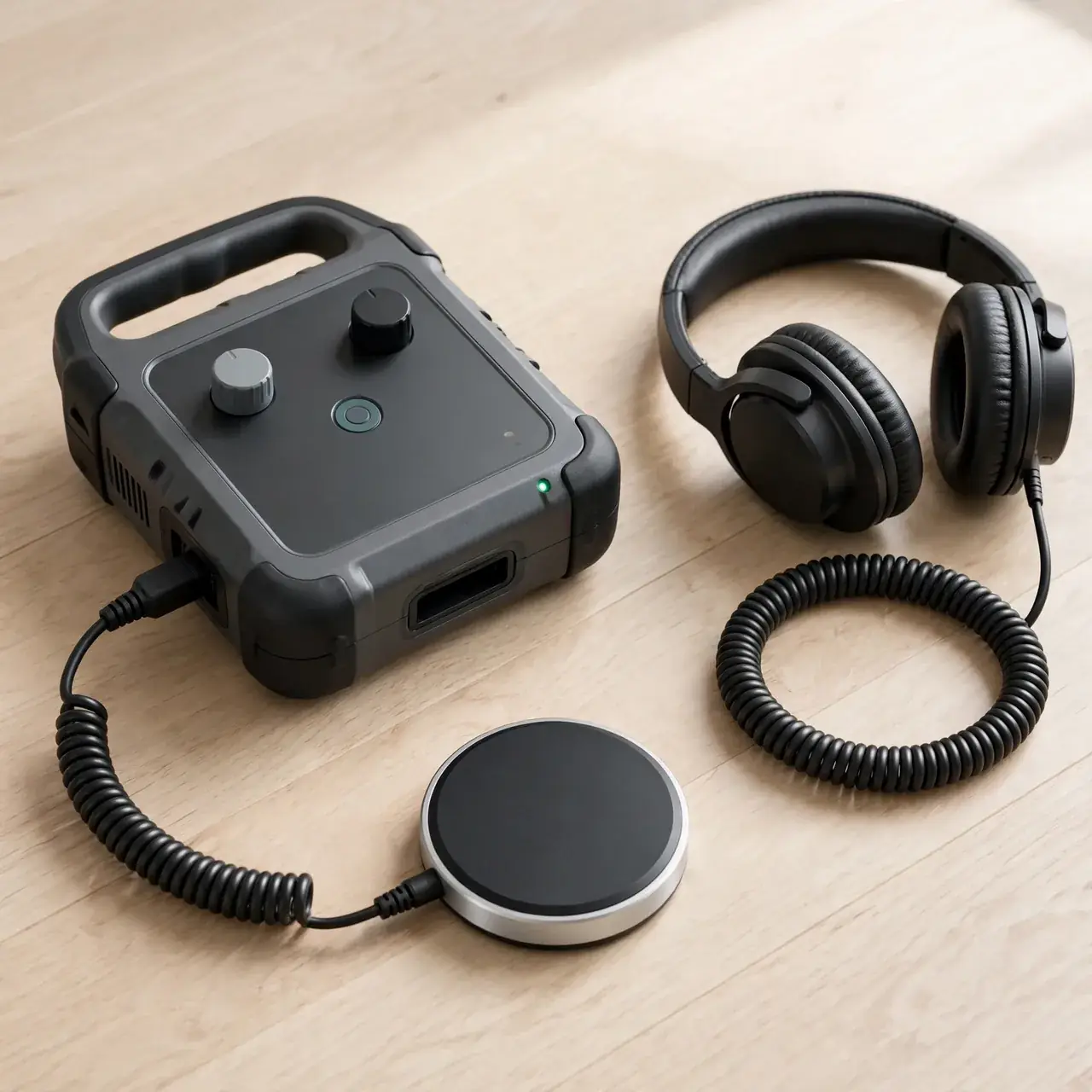
A running toilet is often the first suspect in a high bill investigation, but professionals verify rather than assume. A meter test with the toilet isolated shows exactly how much of the home's unexplained use belongs to it. If the meter still moves with the toilet off, the hunt continues with acoustic listening and thermal imaging for the hidden leak elsewhere in the system, because a running toilet and a slab leak can absolutely share a house and a bill.
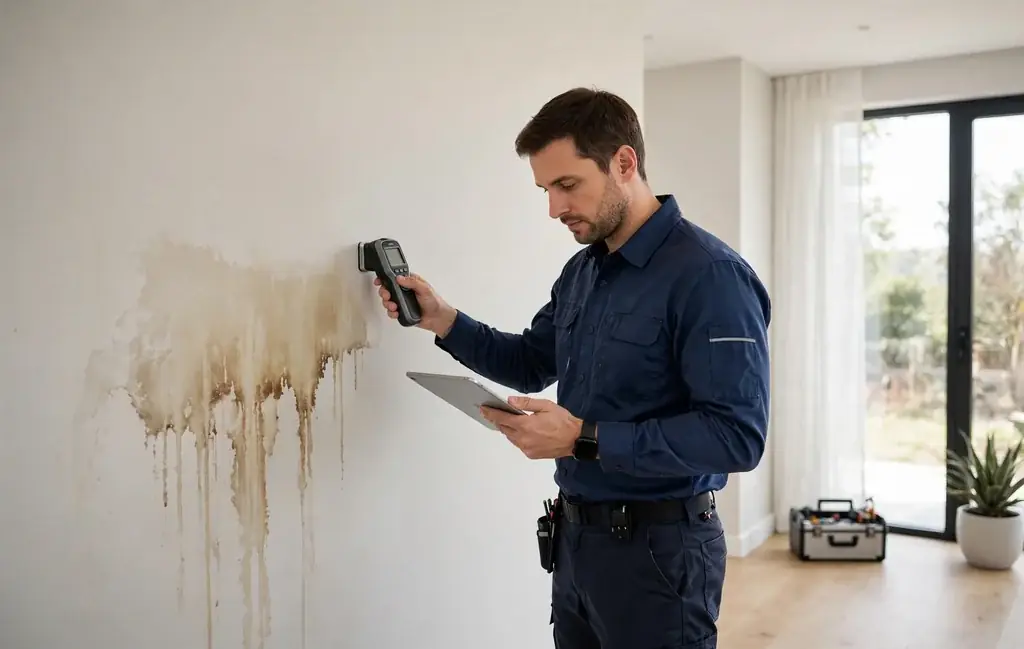
At ProLine Leak Fix Pros, we also check the base and supply line of every problem toilet for the external leaks that dye cannot show, using moisture meters on the surrounding floor and wall. Lynnwood homeowners who call about a bill deserve the full accounting: how much the toilet was wasting, whether anything else is leaking, and proof, in meter readings, when the waste has stopped.
There is also a simple listening habit worth adopting. Once in a while, on a quiet evening, stand near each bathroom with the house still and just listen for a full minute. A healthy toilet is silent between uses. A hiss, a trickle, or the soft sound of water moving anywhere in the tank is waste announcing itself politely before the bill does. Catching it in that stage costs a flapper. Catching it three billing cycles later costs the same flapper plus everything the meter counted in between.
The Cheapest Water Is the Water You Stop Wasting
A running toilet wastes water at a scale that surprises nearly everyone who measures it, silently, constantly, and at the exact rate your meter charges for. The dye test proves the silent kind in fifteen minutes, the arithmetic proves the size in five, and the causes are almost always small, replaceable parts inside the tank. There is no cheaper plumbing fix relative to what it saves.
If your toilet runs, hisses, or flushes itself at night, do not let another billing cycle pass. Call ProLine Leak Fix Pros at (425) 380-0028, and we will stop the waste and make sure nothing else in the house is quietly doing the same.