In This Article
Few sights tighten a homeowner's stomach like a puddle spreading from the base of the water heater. The mind jumps straight to the worst case: the tank has failed, a replacement is coming, and water is about to ruin the room. Sometimes that is true. More often, it is not. Water at the base of a heater has a short list of common sources, and several of them are small, fixable problems that only look like a dying tank.
The trick is to read the puddle properly before you react. Where exactly is the water? Is it constant or does it come and go? Did it appear on a humid day or right after a long shower? This guide walks through the five usual suspects, the safe first checks you can do in minutes, and how professionals confirm the source when the answer is not obvious. Stay calm, keep your feet dry, and start at the top of the tank, not the bottom.
The Five Common Sources of the Puddle
Almost every puddle at a water heater base traces back to one of these five:
- Condensation: cold water entering a hot tank on a humid day can make the tank sweat, and the sweat runs down and pools at the base
- The drain valve: the small faucet near the bottom of the tank can loosen or wear until it drips steadily
- The relief valve: the temperature and pressure valve on the side or top can weep when pressure runs high, sending water down its discharge pipe or along the tank wall
- Fittings on top: the inlet, outlet, and other connections above can leak and let water travel quietly down the side of the tank
- The tank itself: corrosion inside the tank can finally open the steel at the bottom, which is the one source that means replacement
Notice the pattern: four of the five sources start above or beside the base and simply end there, because water always finishes its journey at the lowest point. That is why experienced technicians never condemn a tank from the puddle alone. They follow the water uphill to where it actually began.
Safe First Checks You Can Do Now
Start with safety. If the puddle is growing, if water is spraying, or if the heater is gas fired and you smell gas, skip the checks and shut things down: water at the inlet valve, power at the breaker, and get help. For a slow, stable puddle, work through these steps:
- Dry the base completely with old towels, then wait and watch where the first new wetness appears.
- Run your hand, or a dry paper towel, around the drain valve near the bottom. A slow drip here often shows up as a damp valve tip.
- Check the relief valve discharge pipe. If its open end is wet or dripping, pressure or temperature is pushing water out.
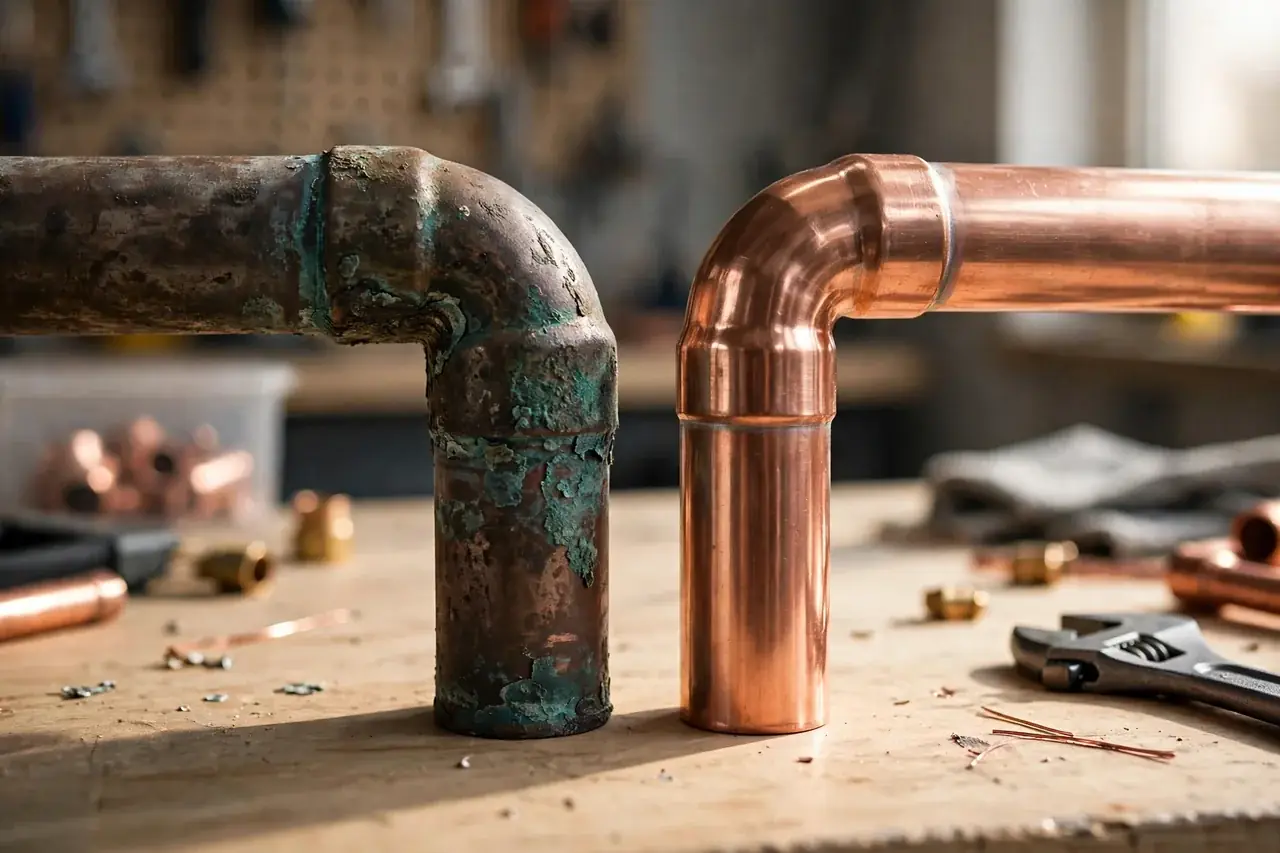
- Inspect every fitting on top of the tank with a flashlight. Look for green or white crust, rust streaks, and damp threads.
- Feel the tank sides from top to bottom. A dry upper tank with a wet base points down low. Dampness high up points to a fitting above.
- Note the timing. Puddles that appear after heavy hot water use suggest condensation or relief valve weeping, not a tank crack.
Take a photo of what you find. A clear picture of the first wet spot, the valve, or a rust streak helps any professional you call understand the problem before they arrive, and it gives you a record if the puddle changes.
When It Is Only Condensation
Condensation is the most innocent cause, and it fools many people. When a household draws a lot of hot water, the tank refills with cold water. The cold tank wall chills the humid air touching it, moisture forms on the surface like dew on a cold glass, and that moisture runs down and pools. In a Lynnwood winter, when utility rooms are cool and damp, this can produce a surprisingly convincing fake leak.
The clues are timing and weather. Condensation puddles appear after heavy use, on humid days, and they dry up on their own when the tank sits warm and idle. The tank surface feels uniformly damp rather than wet in one trail, and no single fitting, valve, or seam stays wet after you dry it. If your puddle follows that pattern, note it, keep an eye on it for a few days, and relax. If it appears daily regardless of use or weather, look elsewhere on the list.
While you investigate, protect the room. Move stored boxes, paint cans, and anything paper or fabric away from the wet area, because even clean water wicks into cardboard within hours and invites musty smells that linger. Photograph the spread before you mop, and again after your first checks. If the puddle returns, compare the new outline with the photo. A puddle that grows between checks is information, and it changes the urgency of the call you make next.
Signs the Tank Itself Is Failing
A tank leak has its own signature. The water returns quickly after you dry the base, even when nobody has used hot water. It often starts at one low point, sometimes with rust colored water or visible rust at the seam. The flow tends to grow over days rather than stay the same, and it does not care about humidity or how recently the shower ran. Popping and rumbling noises in the weeks before the puddle are another hint, since the sediment stress that causes the noise also attacks the tank floor.
If those signs line up, act promptly. Shut off the cold inlet to the tank, switch off its power or gas, and drain it only if you can do so safely. A failing tank does not heal, and its last act can be a sudden release of its full contents. Protecting floors, stored items, and nearby rooms now is far easier than drying them later.
How Professionals Confirm the True Source
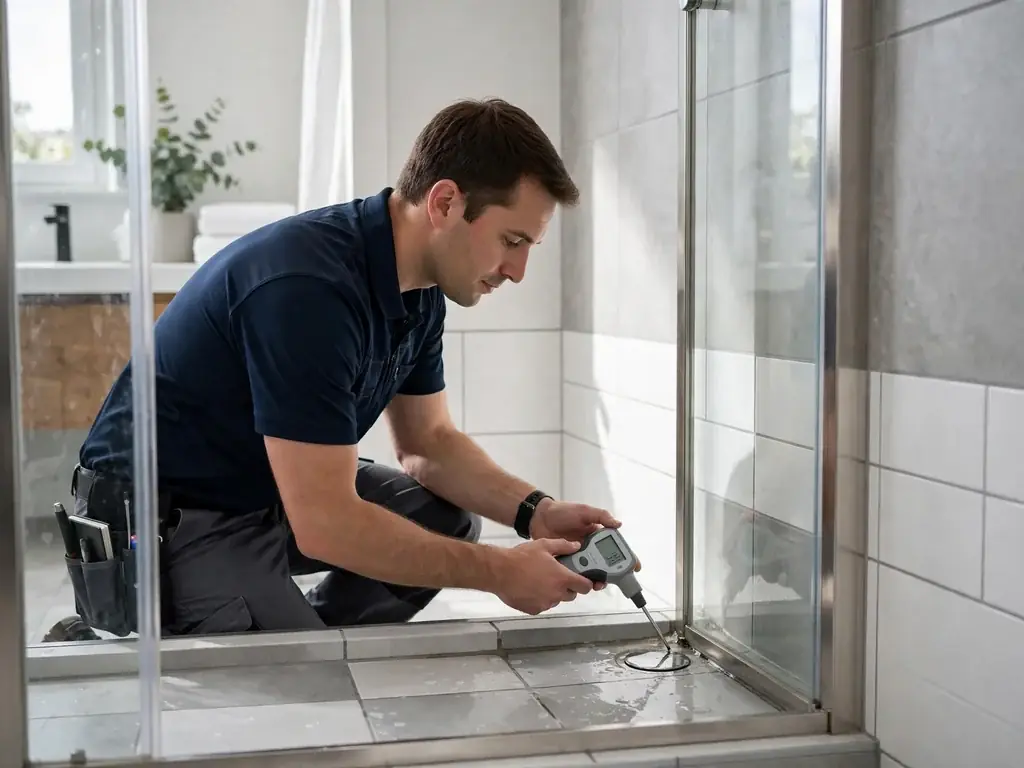
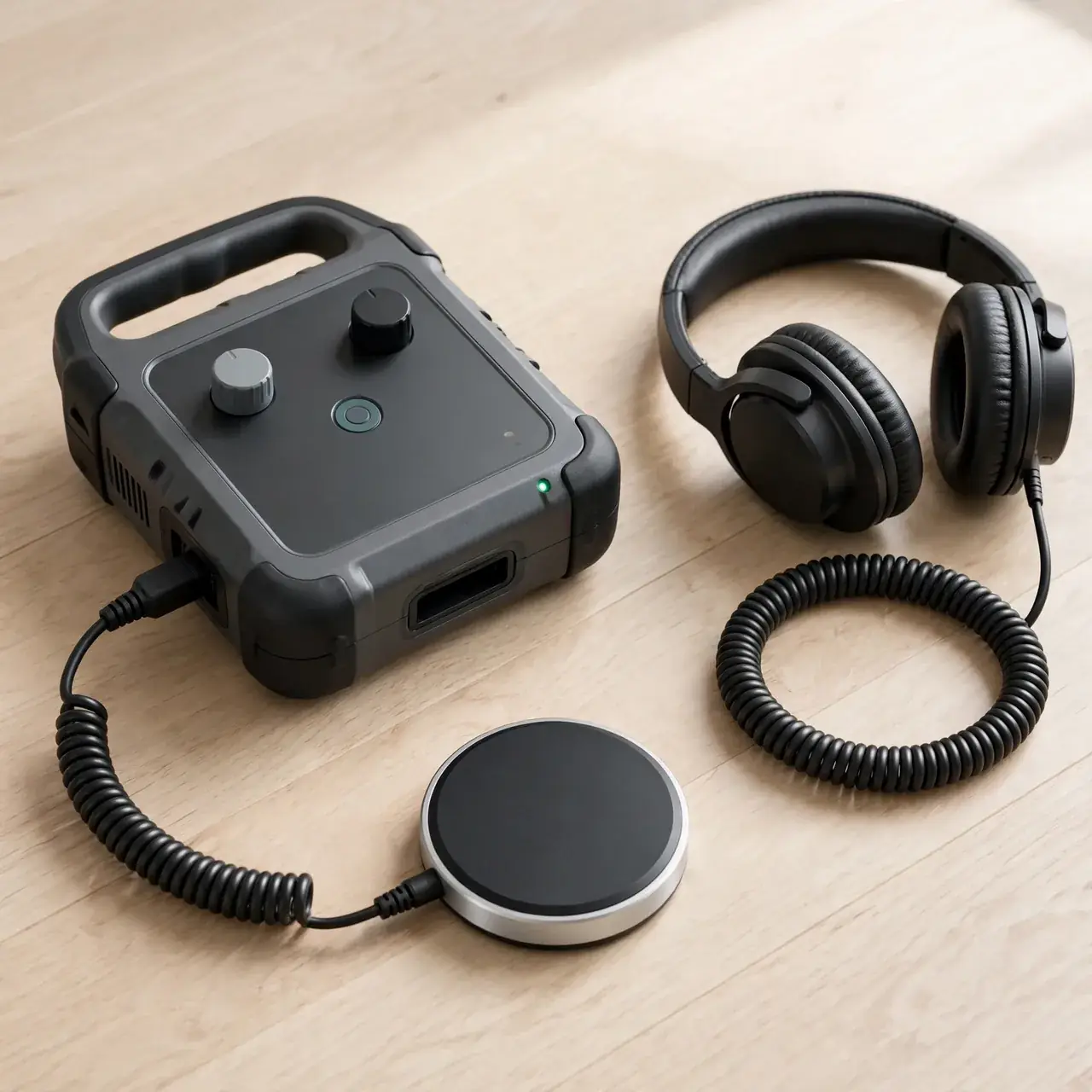
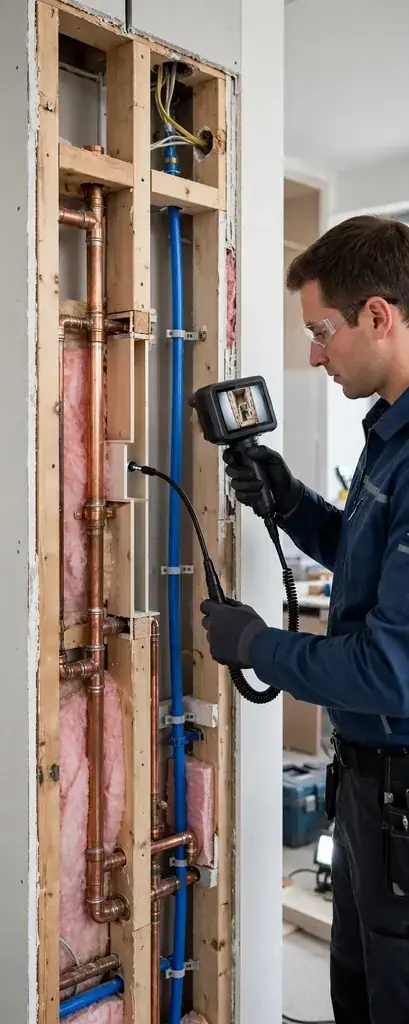
When the first checks leave doubt, professional leak detection settles the question without guessing. A technician dries the area, then uses moisture meters to map exactly where wetness is highest and how it spreads. Thermal imaging adds a second view: a fitting leak shows as a cool trail running down the warm tank, while a relief valve issue shows its own pattern along the discharge pipe. These tools separate the lookalike causes that a puddle alone cannot.
Pressure testing and a water meter check complete the picture. If the meter shows water moving with every fixture off, something in the home is leaking, and the heater area readings say whether it is the heater. At ProLine Leak Fix Pros, this confirm first approach protects homeowners across Snohomish County from the two classic mistakes: replacing a healthy tank that only had a dripping valve, and patching a valve while the tank quietly fails underneath.
Also check the rooms on the other side of the wall. Water at a heater base sometimes travels under a wall plate and shows up as damp baseboard or a soft spot in flooring in the next room, far from where anyone thinks to look. Feeling along those baseboards with a dry hand takes one minute and can reveal that a small puddle in the utility space is quietly a bigger story next door. Catching that spread early is what keeps a valve drip from becoming a flooring project.
Read the Puddle Before You Replace the Tank
Water around the base of your water heater is a question, not a verdict. Condensation, a drain valve, a relief valve, and a loose fitting all imitate a failed tank, and each has a very different fix. A few calm first checks, where the water starts, when it appears, and how it behaves, will sort most cases before any money is spent.
If the source stays unclear, or the signs point at the tank itself, call ProLine Leak Fix Pros at (425) 380-0028. We will trace the water to its true source and tell you plainly what it is, day or night, anywhere in the Lynnwood area.