In This Article
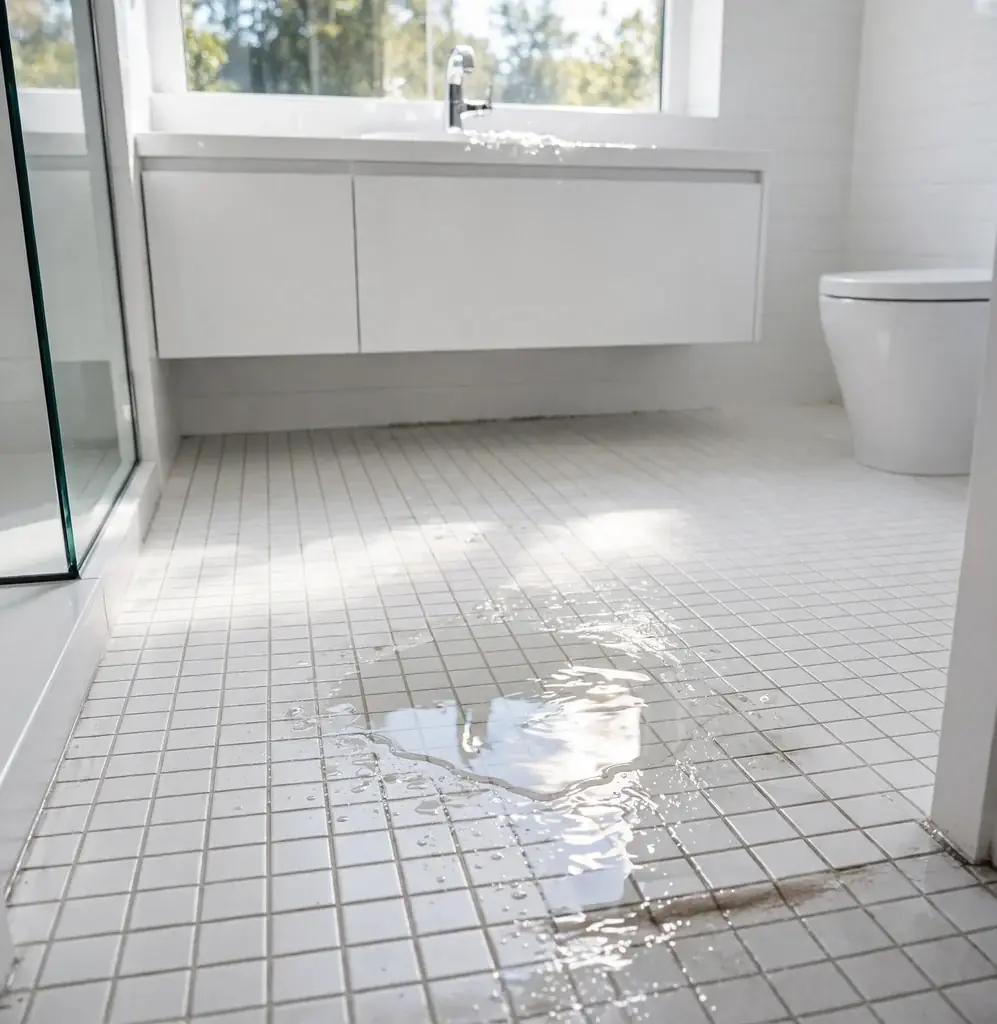
One week the stain under the bathroom grows. The next week it does not change at all. A plumber visits on a dry day and finds nothing. Intermittent leaks are the most frustrating kind, because they seem to vanish whenever someone comes to look.
This guide explains why these leaks hide, the four trigger families they belong to, how to track the pattern like a detective, and the tests that force the leak to show itself so it can be confirmed and repaired.
Why Intermittent Leaks Are So Hard to Catch
A constant leak is easy to believe in. It drips during the inspection, moves the meter all day, and leaves damage that grows in a straight line. An intermittent leak does none of that reliably. It may leak only when one fixture runs, only under high pressure, only when water is hot, or only during heavy rain, and stay bone dry the rest of the time.
That on and off behavior fools everyone. A technician who visits on a dry day finds nothing and the homeowner feels doubted. Weeks later the stain grows again. The leak was never gone. Its trigger simply had not happened during the visit. Understanding triggers turns a ghost problem into a schedule you can test against.
There is a psychological trap in these leaks: the dry week feels like good news, so the log gets abandoned just before the pattern completes. Resist it. The dry weeks are data. A stain that grows only in the weeks a guest bathroom is used, or only during rainy stretches, is telling you its trigger through the gaps as clearly as through the wet days.
The Four Trigger Families
Most comes and goes leaks belong to one of four families:
- Use based: leaks only when a specific shower, tub, dishwasher, or washing machine runs. Drain and supply fittings for that fixture are the suspects.
- Pressure based: leaks at night or during low demand hours when system pressure climbs, then seals itself by day.
- Temperature based: hot water lines expand as they heat and contract as they cool, opening a weak joint only while hot water flows.
- Weather based: appears after rain, pointing at roof, wall, or drainage water rather than plumbing at all.
Naming the family is half the diagnosis. Each family has its own short list of sources and its own test that can force the leak to show itself on demand.
Fixtures deserve a closer look within the use based family. Shower and tub leaks split into supply side, which leaks under pressure whenever the valve is on, and drain side, which leaks only while water flows down the drain or sits in the tub. A stain that appears after baths but not showers, or the reverse, already separates those two, because the tub filler, the shower arm, and the drain see different use in each case.
Track the Pattern Like a Detective
Before any tools come out, build the timeline. For two weeks, note each time you see moisture, smell mustiness, or hear water, and write down what happened just before: showers taken, laundry loads, dishwasher cycles, heavy rain, guests using a spare bathroom. Note dry days too, since what did not happen matters as much as what did.
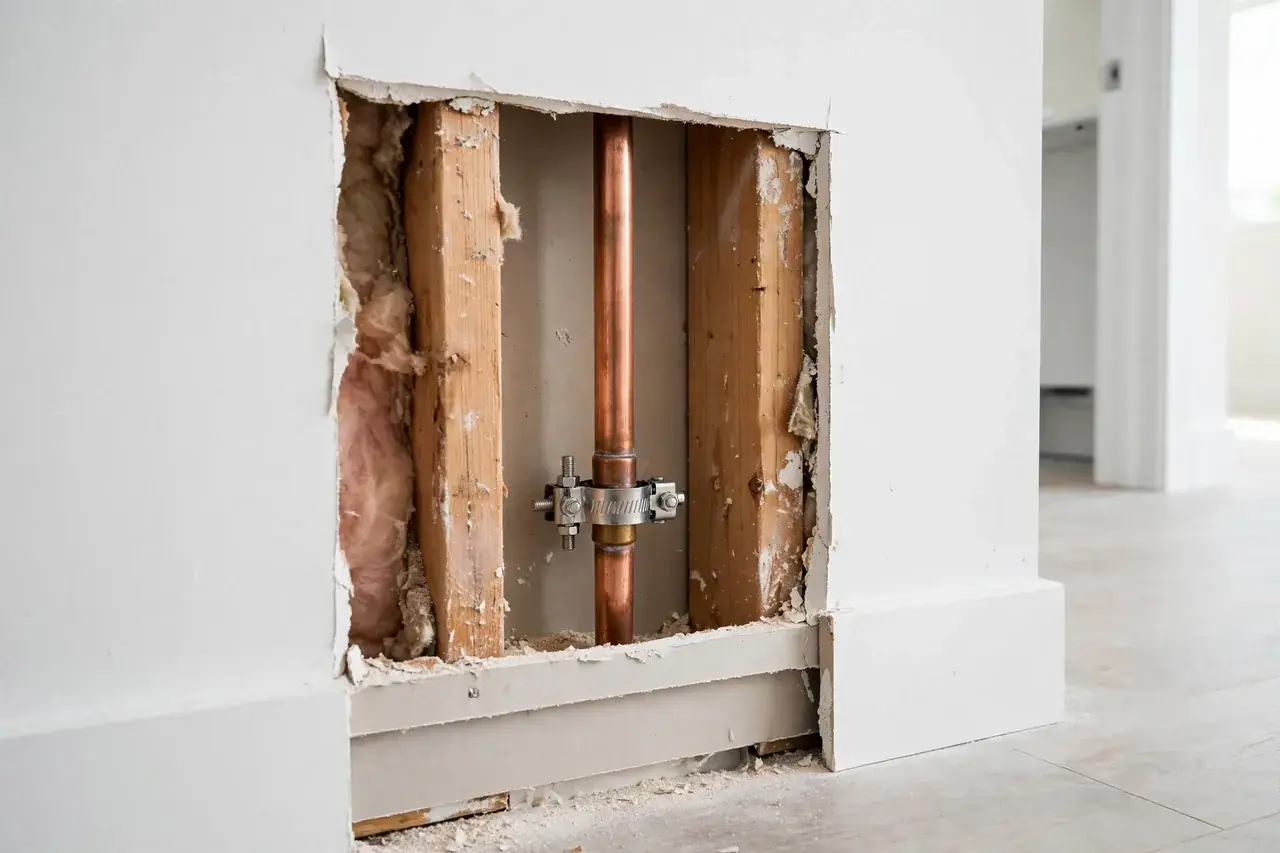
Photograph the stain or wet area with a coin or ruler for scale, and mark the edge lightly in pencil with the date. Growth between photos proves activity and shows direction. In Lynnwood homes this simple log often solves the case before the first visit, because the pattern points straight at one fixture or one weather condition.
Bring the log to any professional visit, and bring the photos with dates. What looks like a vague complaint becomes a schedule the technician can work against: run this fixture, heat this line, pressurize at this hour. Homeowners sometimes apologize for the notebook. Do not. For intermittent leaks, that notebook is the most valuable diagnostic tool anyone brings through the door.
Tests That Make the Leak Show Itself
Once the pattern suggests a trigger, test it directly. Run the suspect fixture on its own while watching the meter and the stain area. Fill and drain a tub in stages to separate supply leaks from drain leaks. For suspected pressure leaks, repeat the overnight meter test. For weather suspects, a controlled hose test on one exterior area at a time can reproduce rain without waiting for the next storm.
Change one variable at a time and give each test enough time to work. Water travels slowly through wall cavities and flooring layers, so a leak triggered at breakfast may not show at the surface until evening. Rushing the tests is the most common reason intermittent leaks stay mysterious.
Give each test a fair window. Drain leaks may need a full tub emptied slowly. Pressure leaks may need an overnight run. Temperature leaks may need several hot cycles in a row. If a test is cut short, the leak stays unproven and doubt returns. It is better to run two patient tests that settle the question than six rushed ones that settle nothing.
How Professionals Confirm an On and Off Leak
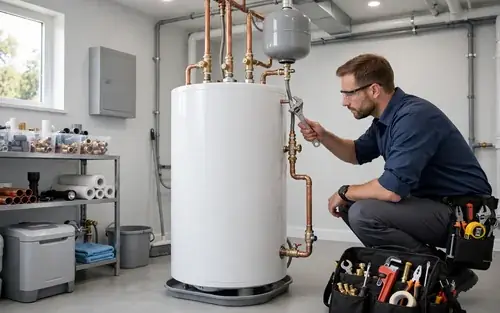
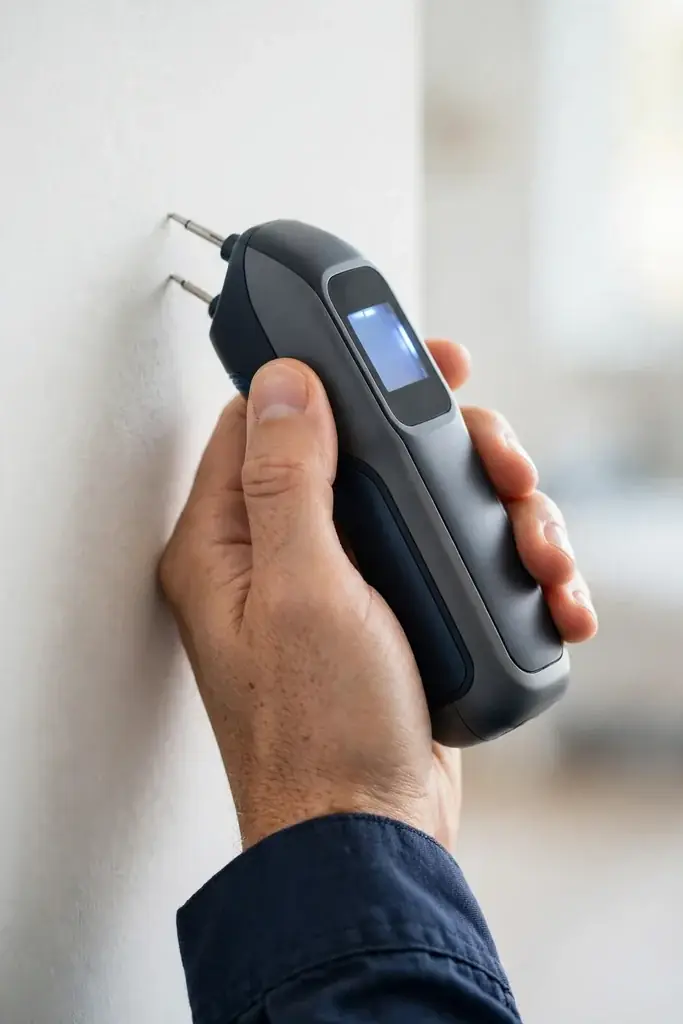
Professional detection for intermittent leaks is built around reproduction. The technician recreates the trigger condition, full pressure, hot flow, a filled tub, then uses acoustic listening, thermal imaging, and moisture mapping while the system is in its leaking state. Pressure testing isolated sections confirms which line or drain fails, and tracer gas can verify a line that only seeps under specific conditions.
This is where experience matters across Snohomish County homes: knowing which test matches which pattern saves repeat visits. ProLine Leak Fix Pros documents the conditions, the test, and the confirmed location, so the repair that follows is based on a leak that was actually caught in the act.
Written findings matter more than usual with these leaks, because memory blurs once the wall is closed. A good detection report records the trigger reproduced, the test used, the readings, and the exact location confirmed. If the stain ever reappears, that record shows instantly whether it is the same source returning or a new problem nearby, saving a second round of detective work.
Conclusion: Patterns Corner What Eyes Cannot
A leak that comes and goes is not a leak that fixed itself. It is a leak waiting for its trigger. Log the pattern, name the trigger family, and test one variable at a time, and the source has nowhere left to hide.
If your log points to a pipe inside a wall, under a slab, or behind a fixture you cannot open safely, call ProLine Leak Fix Pros at (425) 380-0028. We will reproduce the conditions and pinpoint the leak for a repair that ends the cycle.
After repair, verify under the original trigger, not just on a calm day. Run the fixture, the hot cycle, or the pressure condition that used to cause the leak, and watch the area and the meter. A repair proven under its trigger is a finished repair. Anything less is a hope, and intermittent leaks are famous for punishing hopes a few weeks later.
Keep one habit from this experience: whenever a stain, smell, or sound appears, write the date and what the house was doing that day before you do anything else. That single line, repeated over time, is the raw material every diagnosis is built from, and it costs you less than a minute each time.