In This Article
The First Call Sets the Whole Tone
When a tenant reports a leak, the clock and the relationship both start at that moment. A tenant who feels heard stays cooperative, keeps access easy, and reports the next problem early. A tenant who feels brushed off stops reporting small signs, and small signs become big damage. So the first call matters. Thank them, ask where the water is, whether it is still flowing, and whether it is near anything electrical. Give them one immediate step if water is active: where the unit shutoff or main valve is, if they can reach it safely.
Write down the time of the report, what the tenant saw, and what you advised, while it is fresh. That short note becomes the start of your record. In Lynnwood and across Snohomish County, clear early documentation helps with every later step, from scheduling repairs to answering questions about how fast everyone acted.
Speed has a practical side too. Water damage grows with time, and a unit dried within the first day or two often needs cleaning and drying only, while the same leak left for a week can mean flooring and wall repairs. Acting fast is not just good manners, it is the cheapest version of the repair. Keep a short landlord kit ready before you need it: the unit shutoff locations written down, a plumber and a detection service in your contacts, and a simple form for logging reports.
Document Fast, Before Anything Is Fixed
Get eyes on the unit quickly, in person or through clear tenant photos. Photograph the leak area, the floor and walls around it, and any tenant property nearby, with dates attached. Note which fixtures were running when the leak appeared and whether the water is clean, soapy, or discolored, since that points to supply lines, drains, or appliances. If it is safe, take a water meter reading and note it. A moving meter with all fixtures off confirms an active supply leak and helps justify urgent scheduling.
Keep the record factual and shared. Send the tenant a short written summary of what you found and what happens next, and keep a copy. Avoid debates about blame at this stage. A tenant who left a hose running and a pipe that failed on its own can look similar on day one, and the detection findings will sort out the cause far better than an argument in a wet kitchen.
Take a few wide photos as well as close ones. Wide shots show the room layout and where the water traveled, which helps repair planning and any later questions. Photograph the water meter and any valve you operated. If tenant belongings were affected, photograph them in place and communicate about them respectfully and promptly. How a landlord handles a tenant's damaged rug or furniture during a leak often decides whether the tenancy recovers, far more than the plumbing itself ever will.
The Right Order of Steps
A calm sequence protects the unit and the tenancy:
- Stop the water. Shut the unit or building valve if the leak is active, and confirm the flow has stopped.
- Make it safe. Keep people and belongings away from wet electrical areas and soaked ceilings.
- Document. Photos, meter readings, and a dated timeline before cleanup or repair.
- Detect. Pinpoint the source before opening walls or floors.
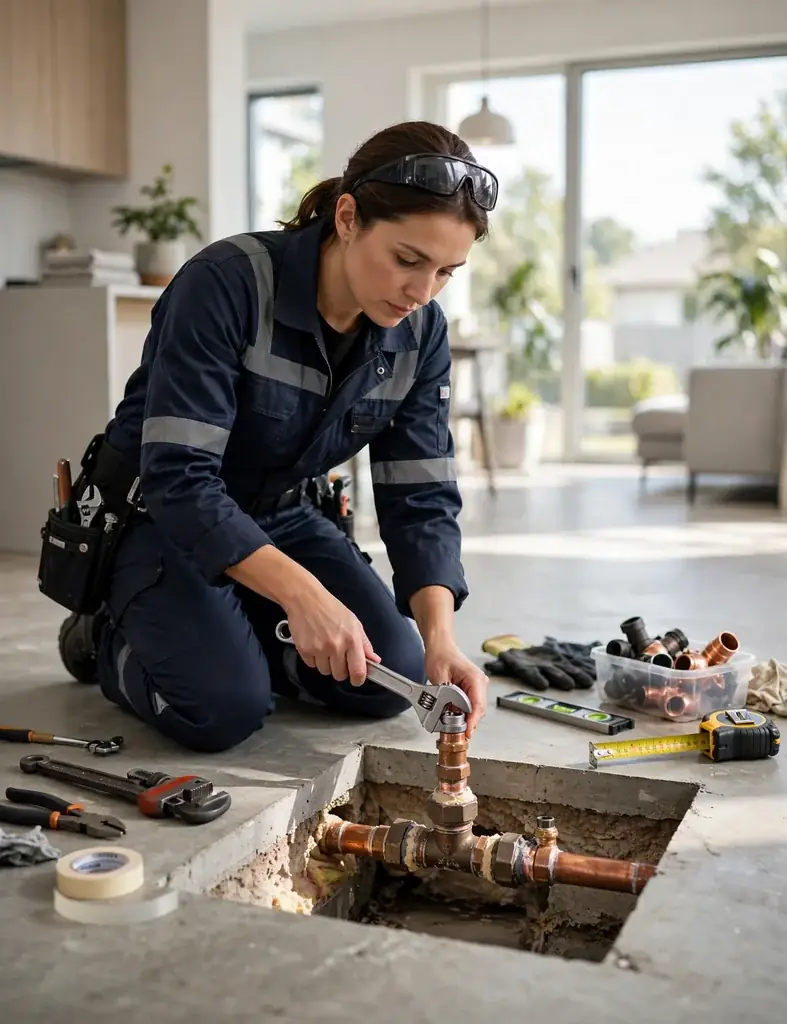
- Repair the located point. One planned opening, with the finding in hand.
- Dry and verify. Confirm moisture is gone and the meter sits still after the fix.
- Close the loop. Send the tenant a written summary of what was found and fixed.
Skipping the detection step is the most common landlord mistake. Repair crews who open walls on a guess can miss the real source, and the leak returns after the unit looks finished, doubling the disruption for everyone.
One caution on the order of steps: do not skip drying. After the source is fixed, the unit is not finished until moisture readings confirm the walls and floors are dry. Trapped moisture behind a repaired wall is the seed of the next complaint, usually a musty smell a month later. Build the drying check into your closing step and note the readings in the file. It takes little time and prevents the same unit from coming back onto your problem list.
Working With the Tenant During Detection and Repair
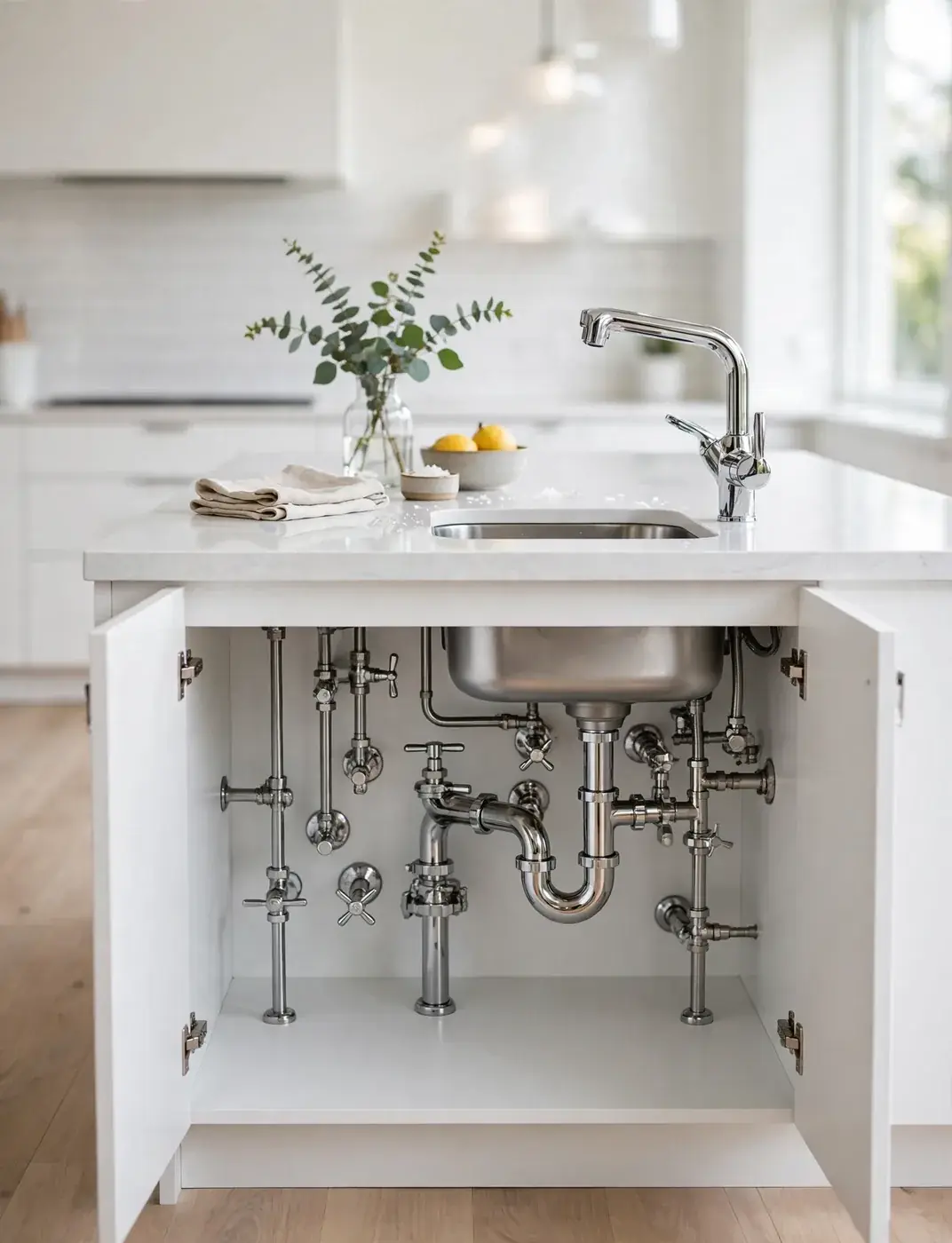
Detection visits need access, quiet, and sometimes water shut off for short periods. Give the tenant clear notice of when the visit happens, how long it should take, and what will be needed from them, such as access to under sink cabinets and the water heater area. Most detection is non invasive, so tenants are often relieved to learn that walls are not being opened on the first visit.
If drying equipment or a repair opening is needed later, say so early and put the plan in writing. Tenants handle disruption far better when they know the schedule in advance. Keep a single point of contact, answer messages within a set time, and log every visit. That steady communication is what turns a stressful leak into a story the tenant tells about a landlord who handled things well.
If the property has several units, think beyond the one that reported. A leak in a stacked bathroom often wets the unit below, and a shared supply line can serve both. Check the neighboring unit politely, with notice, whenever water appears near a shared wall or ceiling. Tenants in the second unit usually appreciate being asked early. Finding the full extent in one round avoids a second complaint next week that makes the first response look incomplete.
How Professional Detection Protects Landlords
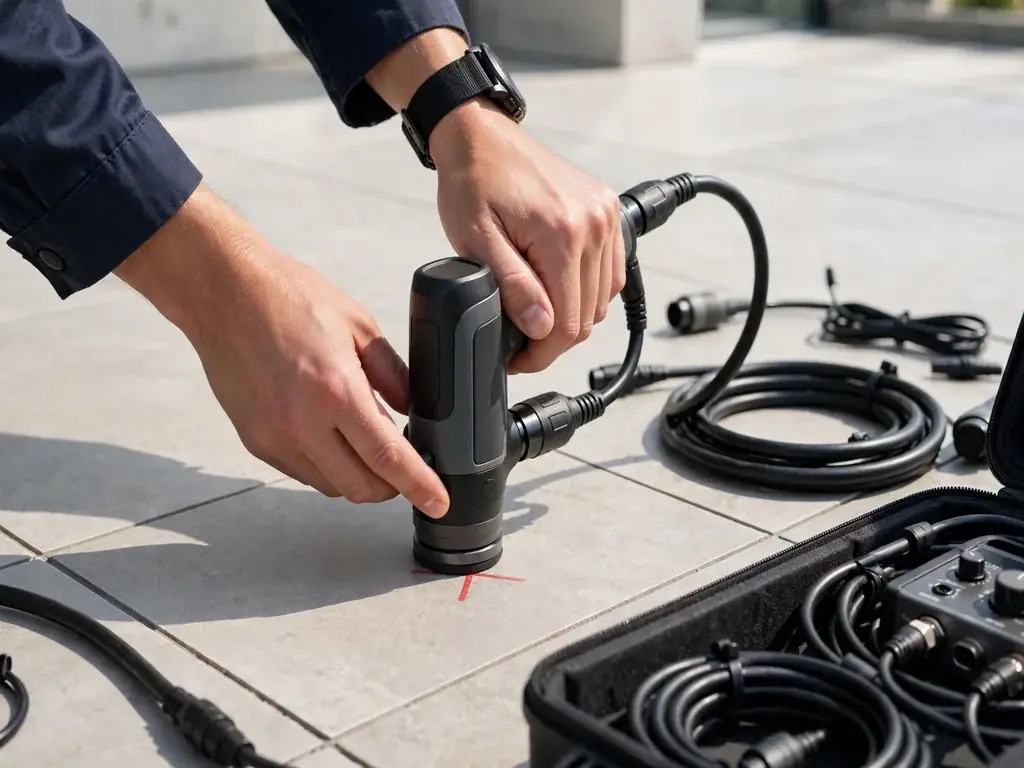
A detection report gives a landlord something no guess can: a located, documented source. Technicians confirm the leak at the meter, isolate the zone, and use acoustic listening and thermal imaging to pinpoint the failure through finished surfaces. The written finding supports repair decisions, helps coordinate with the tenant, and creates a clear record of the cause, whether that turns out to be a worn fitting, a failed appliance line, or tenant side damage.
ProLine Leak Fix Pros serves rental homes, duplexes, and small buildings across Lynnwood and Snohomish County, coordinating access with owners and tenants. Fast, precise detection shortens the whole event: less water damage, fewer opened walls, a shorter vacancy risk, and a file that shows you acted promptly and carefully from the first call.
Ask for the detection findings in a form you can file and share: the located source, the method used, and the areas affected. That single document aligns everyone: your repair crew knows where to open, your tenant knows what was wrong, and your records show a prompt, professional response. Landlords across Lynnwood who keep these reports find that repeat questions about a past leak end quickly, because the file answers them better than anyone's memory of a stressful week.
Fast and Fair Wins Every Time
Leak complaints are a test that tenants remember. Answer fast, document before you fix, pinpoint before you open, and keep the tenant informed in writing at each step. That approach protects the property, the deposit conversation stays factual, and good tenants choose to stay in homes where problems are handled this way.
If a tenant has reported water and you cannot see the source, do not start with demolition. Call ProLine Leak Fix Pros at (425) 380-0028 and get the leak pinpointed, so the repair is quick, documented, and fair to everyone involved.