In This Article
Small Units, Shared Systems, Real Constraints
An accessory dwelling unit, a basement apartment, or a small rental flat packs a full plumbing system into a tight space, and it often shares walls, lines, or a meter with another home. A leak in one unit can show its first sign in the other: a stain on a shared ceiling, a musty smell in the main house, or a water bill neither side can explain. At the same time, the people living there have work schedules, kids, and a right to quiet enjoyment of their home, so a detection plan has to respect the household as much as the plumbing.
The good news is that small units also mean short pipe runs and fewer fixtures. With the right sequence, a leak in an ADU can usually be narrowed down quickly, without turning the tenant's week upside down or opening walls in two homes at once.
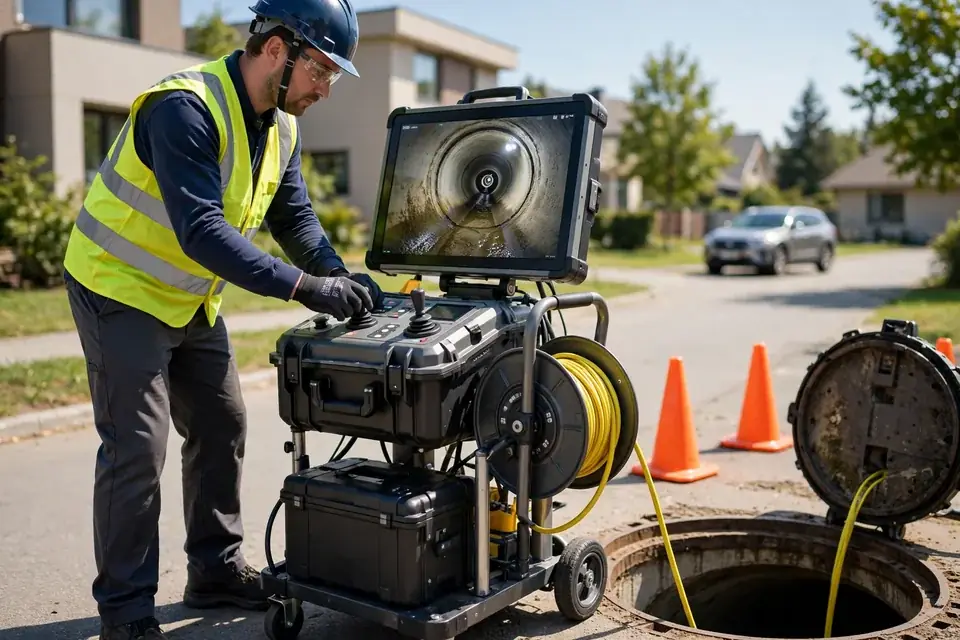
Detached ADUs add one more variable: the buried line between buildings. A leak in the underground run to a backyard cottage may show in neither unit. Instead it shows as a soft, wet patch in the yard, a meter that moves with both units off, or a bill that climbs while both homes seem dry. Include the yard in your thinking whenever the isolation steps say the leak is real but no room in either unit shows it. The line between the buildings is part of the system too.
First Question: Which Side Is It On?
Start by deciding which system the leak belongs to. Use this order:
- Check each meter or submeter. With all fixtures off in both units, note every meter. A meter that moves belongs to the leaking system.
- Isolate the ADU. If the unit has its own shutoff, close it and recheck the main meter. Movement that stops points inside the ADU system.
- Map the symptom. Note which room is wet, which fixtures sit above or behind it, and whether the other unit shares that wall or ceiling.
- Ask about timing. A stain that grows after the ADU shower runs is a different problem from one that grows all day.
- Check shared appliances. A shared water heater or laundry can feed a leak that appears in either unit.
These five steps often cut the search area in half before any equipment comes out, and they give the technician a clean starting point that respects everyone's time.
Record the isolation results in writing and share them with both households. A short note that says the ADU shutoff stopped the meter movement, and that detection is booked for a set day, prevents the rumor version of events from filling the gap. People who share a water system talk to each other, and clear facts keep that conversation calm. It also helps the technician, who arrives knowing which zones were already tested and what the results were.
Scheduling and Access Without the Drama
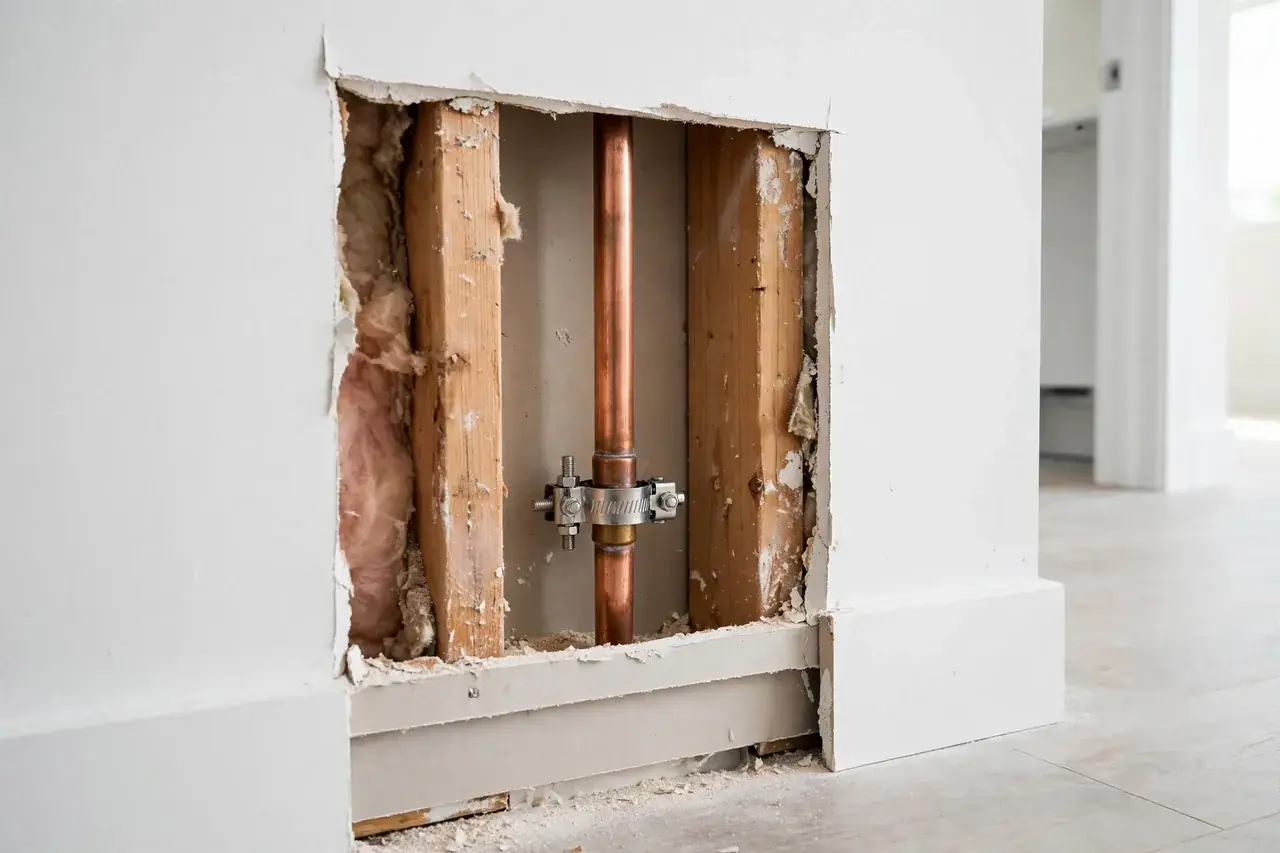
Most conflict around rental leaks is really about surprises: an unannounced visit, water shut off without warning, or a worker in the home longer than promised. Prevent all three with a simple written plan. Give the tenant the visit date, the arrival window, and what access is needed, such as under sink cabinets, the water heater closet, and the area below any stain. Say clearly that detection is non invasive and that no walls are opened during this visit.
During the visit, keep the household informed. Acoustic listening needs short periods of quiet in the unit, so agree on timing for those tests in advance. If the shutoff must be closed for a test, say for how long, and confirm when water is back on before leaving. In Lynnwood rental communities, this kind of clear communication is what keeps a necessary repair visit from becoming a lease problem.
Be thoughtful about noise and timing in small homes. A tenant in a studio ADU cannot retreat to another room during testing, so agree on a window when being out is easy for them, such as during their work hours with permission for entry, or while they are home but warned about quiet periods. Keep the visit as short as good work allows. Respect shown in scheduling is remembered long after the repair details are forgotten, and it keeps access easy for the drying checks that follow.
Signs That Matter More in Small Spaces
In a compact unit, small signs carry more weight because there is less space for water to hide. A musty smell in a studio ADU often means moisture is close, not rooms away. Baseboards that swell along one shared wall, vinyl flooring that lifts near a compact bathroom, or a water heater closet that smells damp all deserve fast attention. So does a change in the shared water bill when neither household has changed its habits.
Tenants are your early warning system here. Encourage them to report slow signs, not just active drips, and make reporting easy with a single phone number or message thread. A tenant who reports a faint smell in week one can save both units from a soaked shared wall in month two. Thank them when they report, even when the check finds nothing. That habit is worth more than any sensor.
Owners of small rentals can help future detection by labeling the system once, during a calm period. Tag the ADU shutoff, the main shutoff, and the water heater valves, and keep a simple diagram of which meter serves which unit in the lease file. When a leak report comes in at night, that diagram turns the first phone call into useful action instead of guesswork. It costs an hour once and pays it back at the first emergency.
How Professionals Detect in ADUs and Rentals
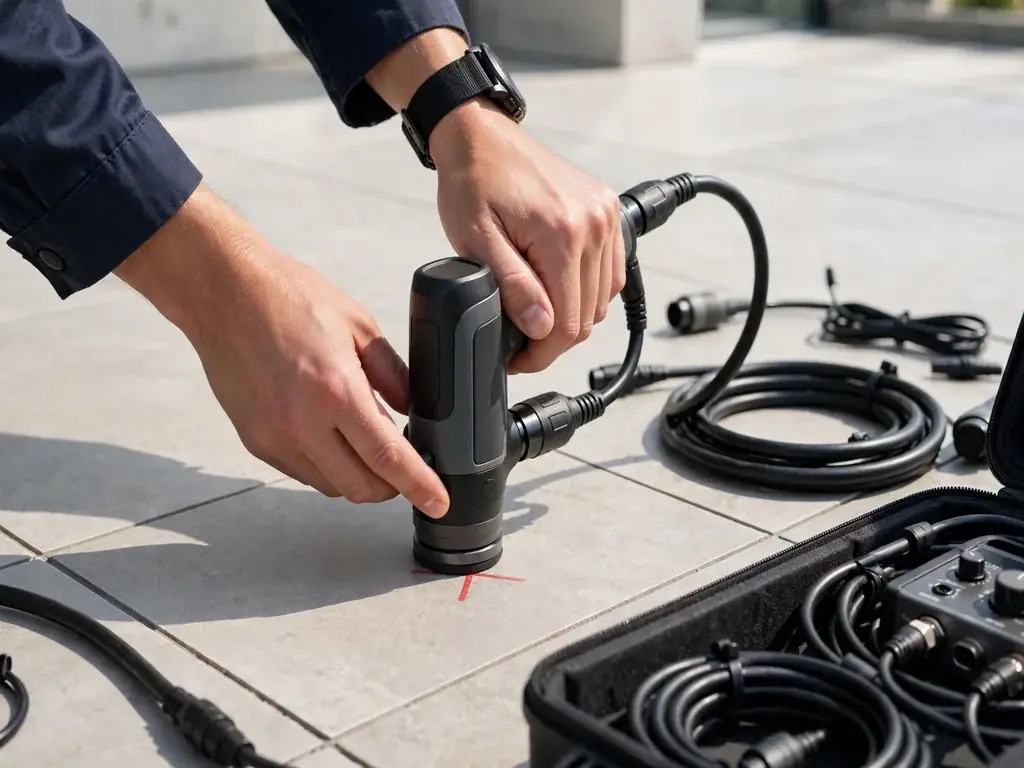
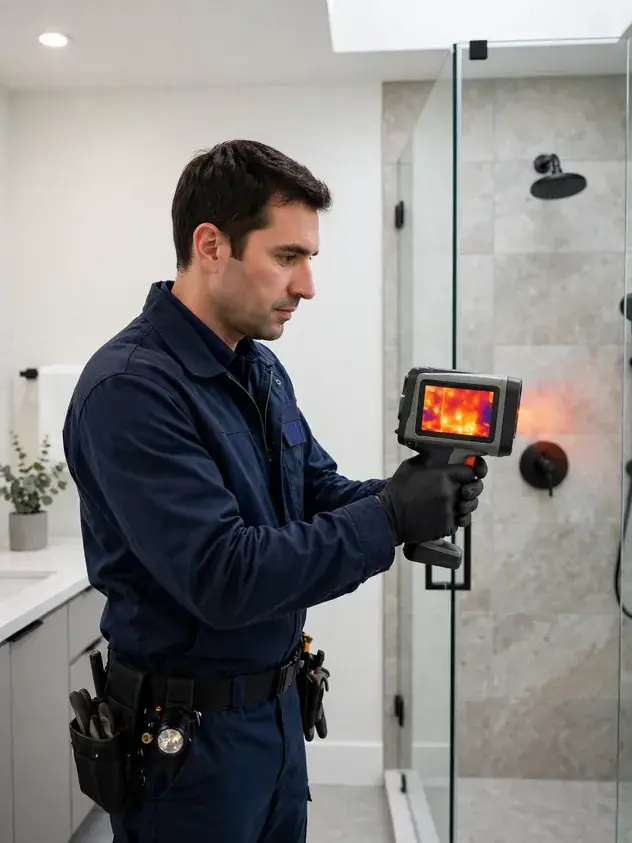
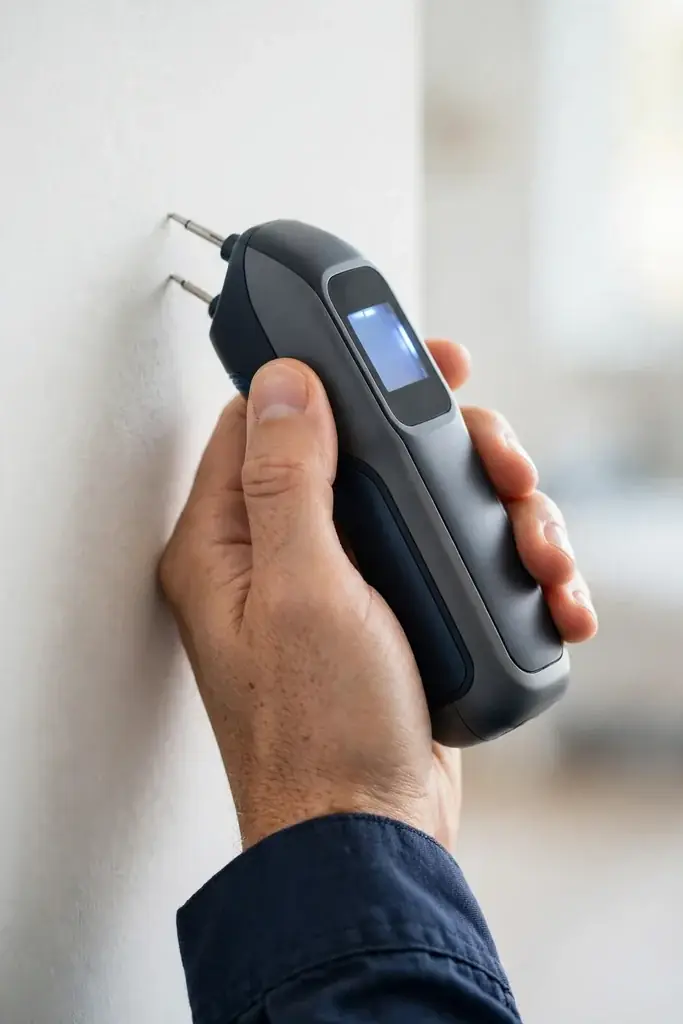
Detection in a shared system follows the isolation work. A technician confirms which meter is moving, isolates zones unit by unit, then uses acoustic listening to trace the leak sound through walls and floors, and thermal imaging to map the moisture pattern without opening finishes. Because runs are short, tracer gas can also confirm a stubborn supply leak precisely. Moisture readings in shared walls show whether water has crossed into the neighboring unit, which guides drying for both sides.
ProLine Leak Fix Pros works across Lynnwood and Snohomish County with owners, managers, and tenants in ADUs, duplexes, and rental homes. The written finding names the source and the affected areas, so repairs can be planned in one visit, scheduled around the tenant, and documented for the owner without drama on either side of the wall.
Expect the visit to end with a marked location and a plain explanation you can pass on to both households. If moisture crossed into the neighboring unit, the report will say so, and drying can be planned for both sides in one schedule. That completeness is the point of professional detection in shared housing: one visit, one source, one plan, instead of a series of guesses that disturb two homes and still miss the pipe that is actually leaking.
A Clear Plan Keeps Everyone Calm
Leaks in ADUs and rentals go wrong through confusion, not through plumbing. Decide which system is leaking, write down the visit plan, listen for the small signs that matter in tight spaces, and pinpoint the source before anyone opens a shared wall. That sequence protects two homes and one tenancy at the same time.
If a shared bill is climbing or a stain is growing on a shared ceiling, get the source located now. Call ProLine Leak Fix Pros at (425) 380-0028 and let detection find the exact leak, with a plan that respects the people living there.