In This Article
- Start Outside: The Meter and the Main Shutoff
- Walk the Empty Rooms: Floors, Walls and Ceilings
- The Fixture Sweep: Toilets, Sinks, Tubs and Showers
- Appliances and the Water Heater Before They Hide
- Outside, Crawl Space and Attic: The Forgotten Zones
- How a Professional Check Completes the Picture
- Conclusion: Thirty Minutes Now, a Dry First Month
Move-in day has a hidden advantage nobody mentions: for a few hours, the house is empty. Every cabinet is bare, every floor is visible, the walls behind the toilets are reachable, and the water meter can sit untouched while you work. It is the easiest inspection conditions that house will ever offer, and they vanish the moment the boxes land.
Thirty minutes spent checking for leaks before the furniture arrives can save your first month from a soaked ceiling, a ruined floor, or a water bill that makes no sense. Some problems you will find were active before you arrived. Others, like tired supply lines and seized valves, are simply waiting for their moment. This checklist walks the empty house in the order a professional would, from the meter to the attic hatch, so you start your life in the home knowing its plumbing is sound.
Start Outside: The Meter and the Main Shutoff
Begin before you even go inside. Find the water meter and confirm it is still with every tap in the house off. A meter that creeps in an empty, unused house is announcing a leak that predates you, and catching it on day one makes the conversation about it much simpler. Photograph the reading with the date visible: this is your baseline for every future bill and every future check.
Next, locate the main shutoff valve and prove that it works. Turn it closed, open a tap inside until the water stops, then reopen the valve. A main shutoff that will not turn, or will not fully stop the flow, goes to the top of your fix soon list, because it is your emergency brake for every plumbing problem that will ever happen in this house. Note where it is, and tell everyone moving in with you. In Lynnwood, meters usually sit near the street and many homes have a second shutoff inside, in the garage, crawl space, or a utility closet.
Walk the Empty Rooms: Floors, Walls and Ceilings
Now walk every room slowly, because empty rooms show what furnished rooms hide. Look at the base of every wall for bubbled paint, staining, or warped baseboards. Press your palm to floors in bathrooms, the laundry, and beside the kitchen sink: softness, springiness, or lifting edges suggest past or present water. Smell each room at floor level. A musty note in one closed room is information, not just old house character.
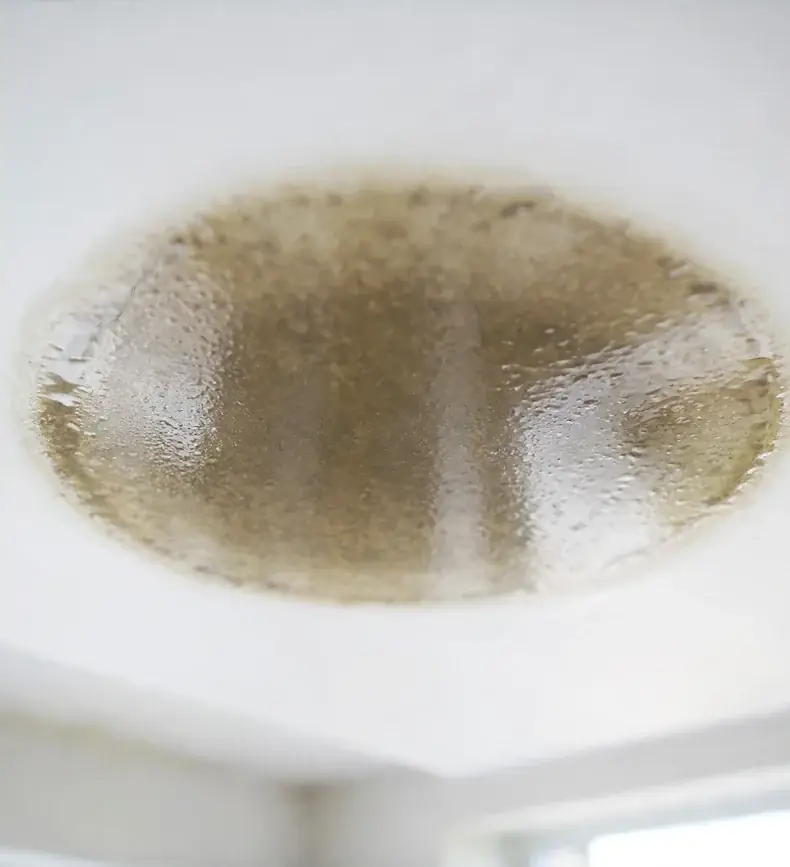
Look up as well. Ceilings below bathrooms deserve a careful scan for rings, yellowing, or patched spots that were painted over. Check under windows for soft sills and in closets that share a wall with a bathroom or the water heater, because closets hide damage the longest. Take photos of anything questionable with something in frame for scale. You are not looking to panic over every scuff; you are building a dated record of the house as it was handed to you, which separates old history from new problems if anything changes later.
The Fixture Sweep: Toilets, Sinks, Tubs and Showers
Run every fixture, one at a time, while the house is quiet enough to hear and empty enough to see:
- Toilets: Flush each one twice. Watch the base for water creeping out, feel the supply connection with a dry tissue, and listen after the tank refills. Silence is correct; hissing is a leak talking.
- Sinks: Fill each sink, let it drain, and watch the trap and valves below with your phone light while the water runs out. Cabinets are empty today, so this view will never be easier.
- Tubs and showers: Run each for several minutes. Check the ceiling or floor below afterward, and feel the wall around the valve and showerhead for dampness.
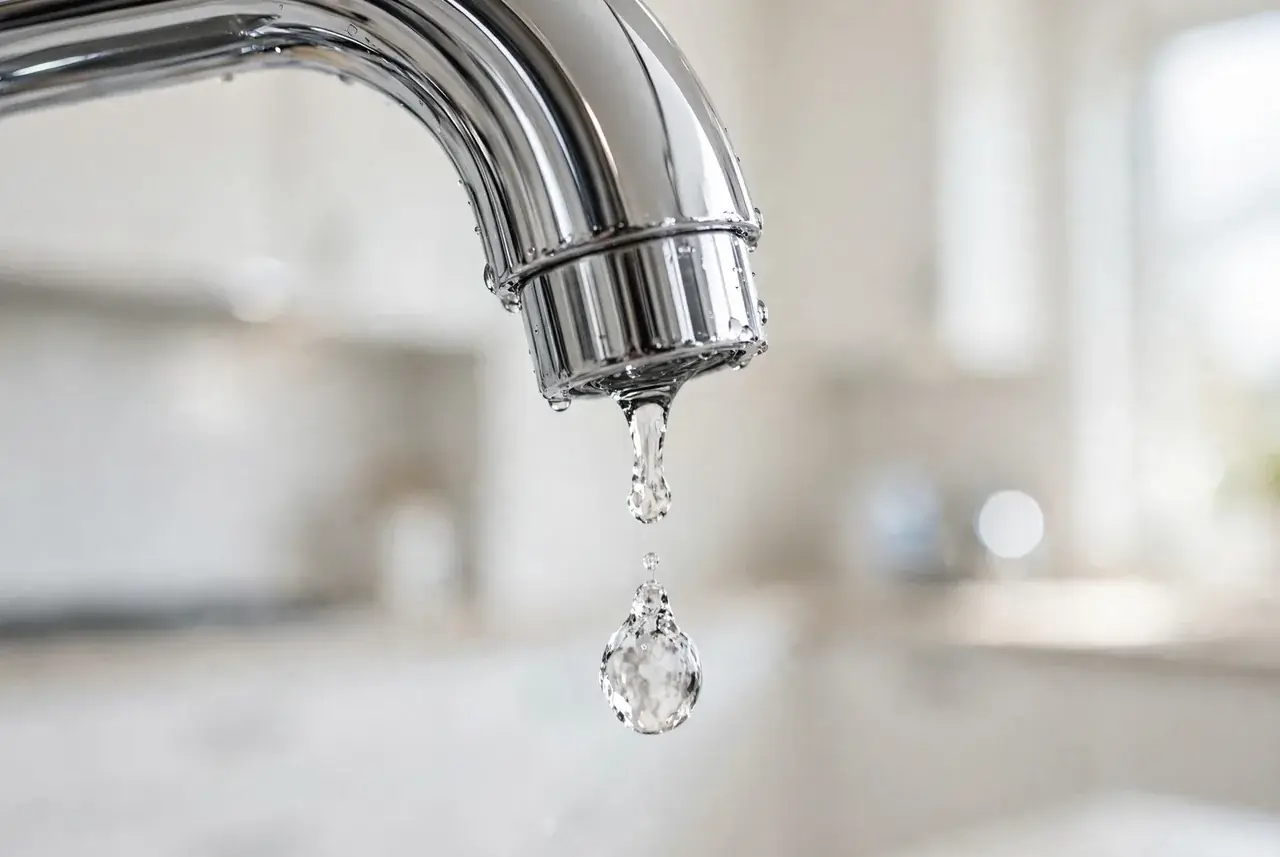
- Faucets: Turn each off firmly and watch for thirty seconds. A drip that keeps coming is a worn seal announcing itself early.
- Valves everywhere: Gently turn every shutoff valve a quarter turn and back. Note any that refuse to move.
Keep a written list as you go: fixture, what you saw, photo taken or not. Ten lines of notes today become your maintenance map for the first year.
Appliances and the Water Heater Before They Hide
The water heater gets a full look while its corner is still reachable. Check the pan and floor for dryness, the relief valve pipe for drips, the top connections for corrosion, and the tank body for rust streaks. Note the age from the label if it is readable: an elderly heater is not a leak yet, but it is a plan. Photograph the label for your records.
If appliances are already installed, check their water connections before pushing anything into place. Washing machine hoses should show no bulges, stiffness, or rust at the nuts, and the standpipe should be open and clear. The dishwasher supply under the kitchen sink and the refrigerator water line, if fitted, both deserve a dry tissue test at every connection. Once furniture, boxes, and the machine itself block these spots, you may not see them again for years, so today's two minutes at each is the cheapest inspection they will ever get.
Outside, Crawl Space and Attic: The Forgotten Zones
Finish where homeowners rarely look. Outside, run each hose bib and check that water does not spray from the stem or run down the inside of the wall. Look at the foundation line for damp patches that do not match the weather, and make sure exterior grading and downspouts send rain away from the house rather than pooling against it.
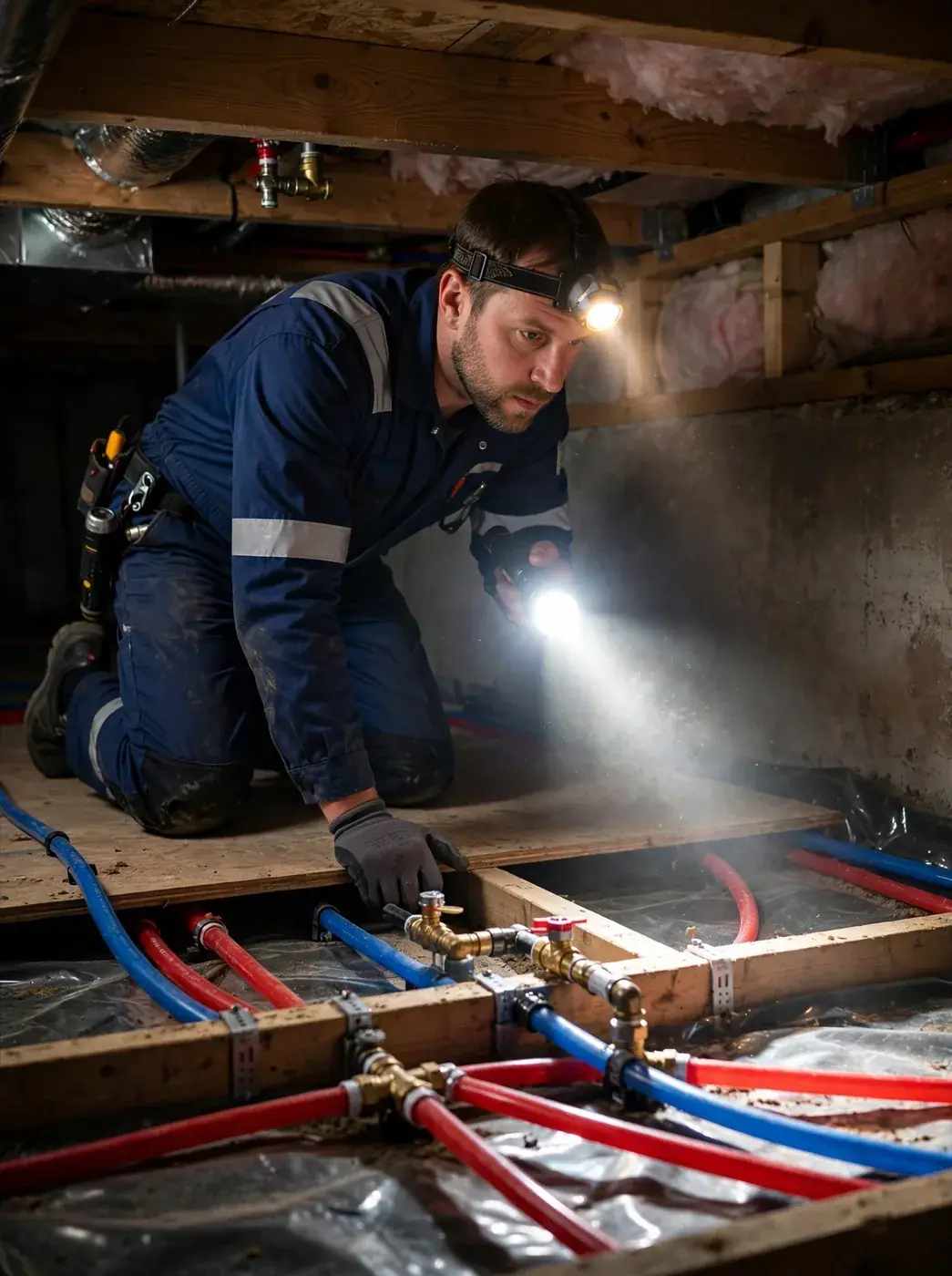
If you can do so safely, glance into the crawl space or basement with a strong light: you are looking for standing water, dripping pipes, stained joists, or insulation that hangs heavy and wet. In the attic, look for water stains on the roof deck around vents and chimneys, and check the area under any bathroom above. Many Snohomish County homes reveal their oldest leaks in exactly these two spaces, because nobody visits them between one move and the next. Anything actively dripping or pooled today jumps the queue ahead of every cosmetic job on your list.
How a Professional Check Completes the Picture
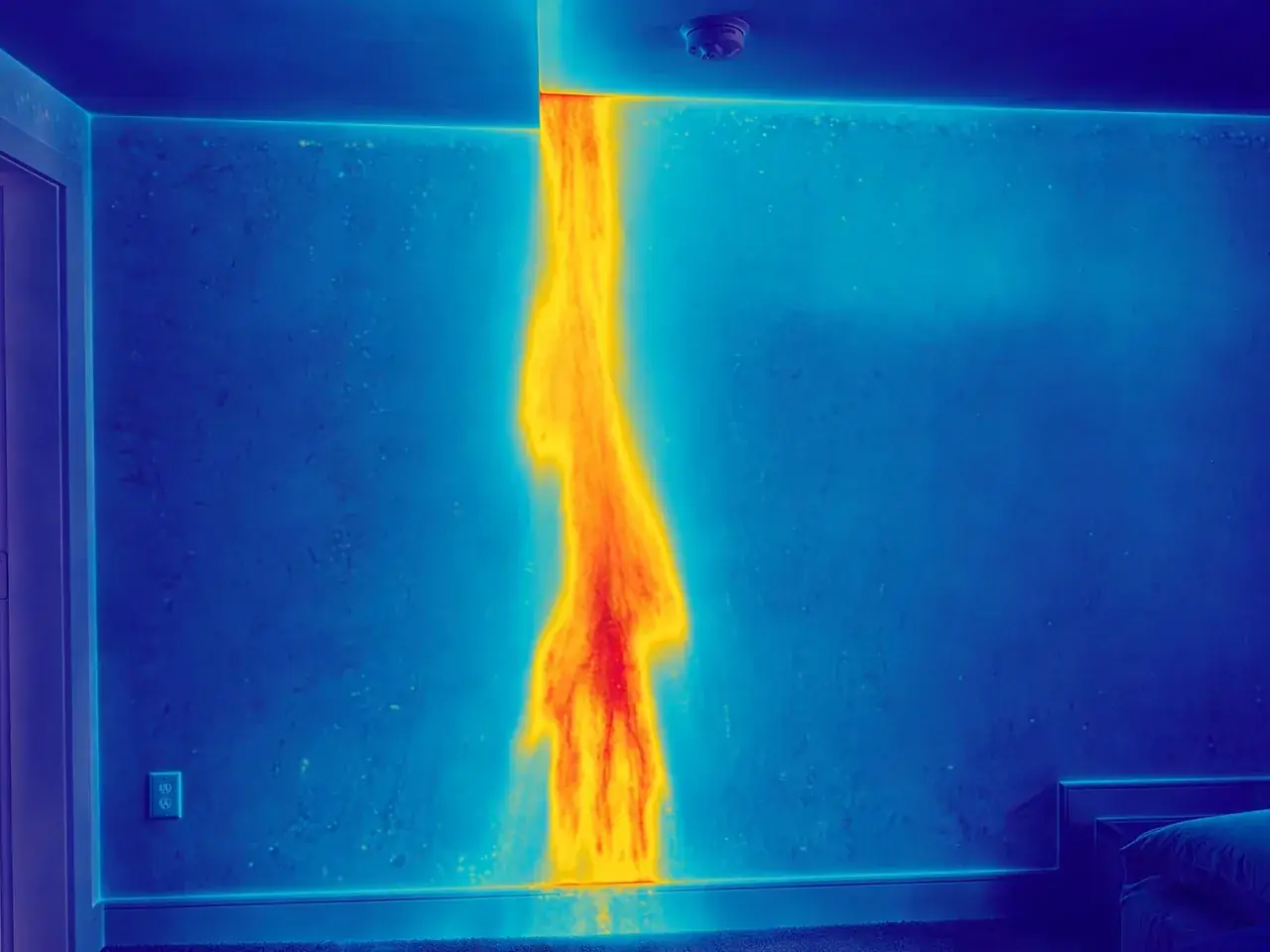
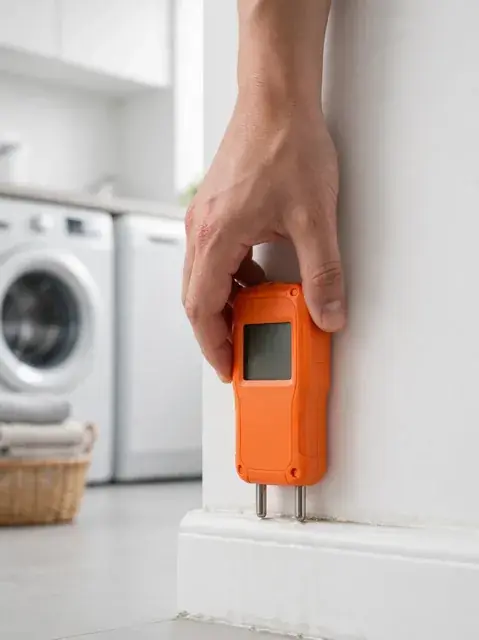
Your walk finds what eyes and hands can reach. A professional move-in check adds what they cannot: a pressure hold test that proves whether the supply system keeps pressure with everything closed, moisture meter readings at any suspect wall or floor, and acoustic listening that follows a hidden leak's sound along the pipe run. Thermal imaging can scan the walls around showers and under upstairs bathrooms in minutes, while the house is still empty and every wall is reachable.
ProLine Leak Fix Pros offers this kind of leak detection visit for new homeowners across Lynnwood and Snohomish County, and an empty house genuinely makes it faster and more complete. Pair your checklist notes with instrument readings and you start your first month with something rare: certainty about the plumbing you just bought or rented, instead of hope.
An empty house is an honest house. Every stain, drip and damp corner is visible for a few hours. Use them before the boxes vote to hide it all.
Conclusion: Thirty Minutes Now, a Dry First Month
The move-in leak check is simple because the house does the hard part for you: it stands empty and shows you everything. Meter and main shutoff first, then rooms, fixtures, appliances, and the forgotten zones, with photos and notes as you go. Anything actively leaking gets fixed before furniture covers it, and anything merely old goes on a calm, planned list.
If your walk turns up a moving meter, a damp mystery, or a valve that will not move, call ProLine Leak Fix Pros at (425) 380-0028. We will confirm the source with professional detection, so your first memory in the new home is unpacking, not mopping.