In This Article
The wash cycle sounds normal, the rinse sounds normal, and then the drain cycle starts and water comes up and over the standpipe behind the machine, spilling down the wall and across the laundry floor, often carrying a cap of white foam with it. By the time you hear the splashing, the load is nearly done and the floor is soaked again.
This overflow pattern is one of the clearest messages a drain can send. A washing machine empties fast, pumping its full tub of water out in a short burst. If that rush of water cannot get away through the pipe quickly enough, it backs up at the first opening it finds, which is the top of your standpipe. This guide explains where the water escapes, why partial blockages are the usual cause, and how to tell a simple drain problem from a deeper sewer issue.
How the Washing Machine Drain Path Is Supposed to Work
The machine's pump pushes water out through the drain hose, which hooks into a vertical pipe behind the machine called the standpipe. The standpipe leads down to a trap, and from there into the home's drain system. The hose is meant to sit loosely in the standpipe, with an air gap around it, so the system can breathe as the water rushes down.
Two details matter for overflow. First, the pump moves water much faster than a sink or shower does, so the drain path has very little slack. A pipe that handles a bathroom sink happily can still fall behind a washing machine. Second, the trap and the pipe beyond it collect lint, detergent residue, and scale over years of loads. The path narrows slowly, load by load, until one day the rush of drain water exceeds what the narrowed pipe can carry, and the standpipe becomes the escape hatch.
The Usual Cause: A Partial Blockage Downstream
A total blockage would stop everything at once. A partial blockage is more subtle and much more common. The pipe still drains, just too slowly. Early signs are easy to miss: a gurgle from a nearby sink while the machine drains, a faint sewer smell in the laundry room, foam standing in the standpipe after a load, or a small spill that only happens with large loads.

The narrowing usually sits in one of three places. Lint and residue build up right in the trap below the standpipe. The branch line running from the laundry to the main drain collects a rough inner coating over years. Or the problem sits further out, in the main drain or sewer line, where roots or a settled pipe slow everything, and the washing machine, as the biggest water user, is simply the first fixture to complain. Which of these it is decides the fix, so locating the choke point matters more than clearing the symptom once.
The build up itself is worth understanding, because it explains the timing. Every load sends lint fibers, hair, and undissolved detergent down the drain. In the trap and the first stretch of pipe, where water slows and cools, that mix settles into a rough, spongy coating. Month by month the coating thickens and grabs more of what passes, like a filter slowly clogging itself. Cold water washes make it worse, because some residues dissolve poorly in cold water and deposit faster. This is also why the overflow often starts in winter or after a change in detergent or wash habits: the pipe was already near its limit, and a small change in what flows through it tipped the balance. Understanding that the narrowing is gradual helps you take the earliest signs, a gurgle here, a foam cap there, seriously instead of treating each small spill as a one time accident.
Other Causes Worth Ruling Out
Not every overflow is a blockage. A few setup issues can imitate one:
- Hose pushed too deep or sealed tight. A drain hose jammed far down the standpipe, or taped airtight, can siphon and surge oddly and spill at the top.
- Standpipe too short. A standpipe that sits lower than the machine's water level can spill during the drain burst even with a clear pipe.
- Too much detergent. Excess suds expand the drain water into foam that climbs the standpipe and over the top, while plain water drains fine. Foam heavy overflows with small water volume often start here.
- Frozen or venting problems. In cold snaps an exposed drain section can narrow with ice, and a blocked vent can make drains gurgle and hesitate across the house.
Note what your overflow looks like. Mostly foam points one way, mostly water another, and water that also backs up in a nearby shower or floor drain points firmly toward the main line.
Simple Checks Before the Next Load
- Watch one drain cycle. Stay with the machine and note when the water rises: instantly, or after ten to twenty seconds of pumping. A delay suggests the choke is further downstream.
- Check the hose position. The hose should hook into the standpipe with a loose air gap, not sealed, not shoved deep. Correct anything obvious.
- Run a small load with less detergent. If the overflow vanishes with fewer suds, detergent dosing was part of the problem.
- Test nearby drains. Fill and drain a nearby sink quickly. Slow drainage or gurgling there too means the branch line shares the problem.
- Look for company. If a floor drain, shower, or toilet also backs up or gurgles during the wash drain, stop using water and treat it as a main line issue, not a laundry issue.
Avoid running load after load hoping it clears. Each overflow soaks the wall base and floor behind the machine, a spot that dries slowly and quietly, and repeated wetting there does more damage than the original blockage.
How Professionals Locate the Choke Point
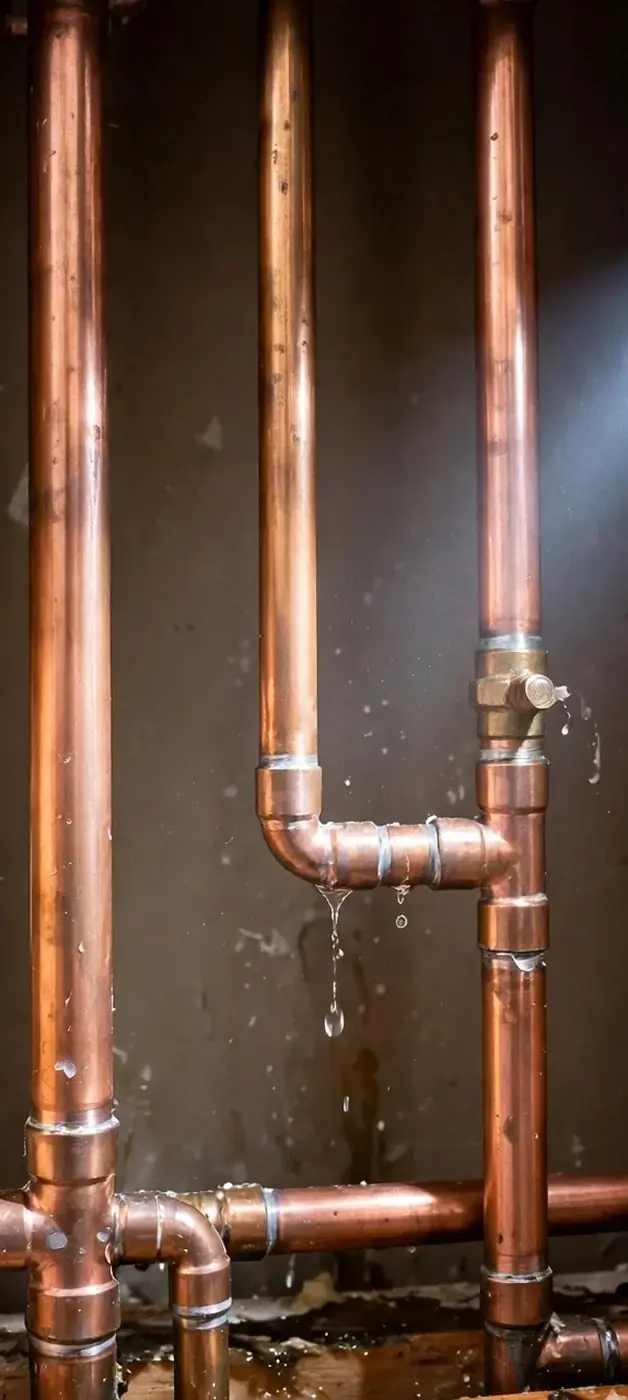
Professionals locate the narrowing instead of guessing at it. A drain camera sent down the standpipe or a cleanout shows the inside of the pipe directly: lint mats, grease and residue coating, root intrusion, or a settled section holding water. The camera footage also shows how far down the line the problem sits, which separates a laundry branch issue from a main sewer line issue with no speculation.
Moisture checks complete the picture after repeated overflows, mapping whether the wall and floor behind the machine have soaked through. ProLine Leak Fix Pros pairs camera inspection with sewer line leak detection methods when the signs point deeper, and serves Lynnwood and Snohomish County homes where laundry drains often share old branch lines with kitchen sinks. Finding the choke point first means the clearing work happens once, in the right section of pipe.
Conclusion: The Standpipe Is the Messenger, Not the Problem
When a washing machine drain overflows, the standpipe is simply where the water escapes, not where the problem lives. The problem is flow: a pump sending water faster than a narrowed, badly vented, or poorly set up drain path can carry it away. Watch one cycle closely, check the hose setup, note whether other drains share the trouble, and you will know which family of causes you are in.
If overflows keep happening, or other fixtures join in, call ProLine Leak Fix Pros at (425) 380-0028. We will find the choke point with a camera and confirm the fix, so your next load ends in the drain where it belongs.