In This Article
A post-tension slab leak carries risks that a conventional slab leak does not. Post-tension foundations contain high-strength steel cables, tensioned like drawn bowstrings inside the concrete, and those cables are the reason the slab is strong. If a repair crew cuts into the slab without knowing exactly where those cables run, a severed cable can snap with violent force, injuring workers and destroying the slab's structural strength. That single fact changes how every post-tension slab leak must be handled.
Post-tension construction is common in newer homes and in regions with expansive or shifting soils, and it appears in parts of the Pacific Northwest as well. If your home sits on a post-tension slab, you need to know how to identify one, why a post-tension slab leak demands extra care, and which repair options keep your home safe. This guide covers it all in plain language.
What a Post-Tension Slab Is
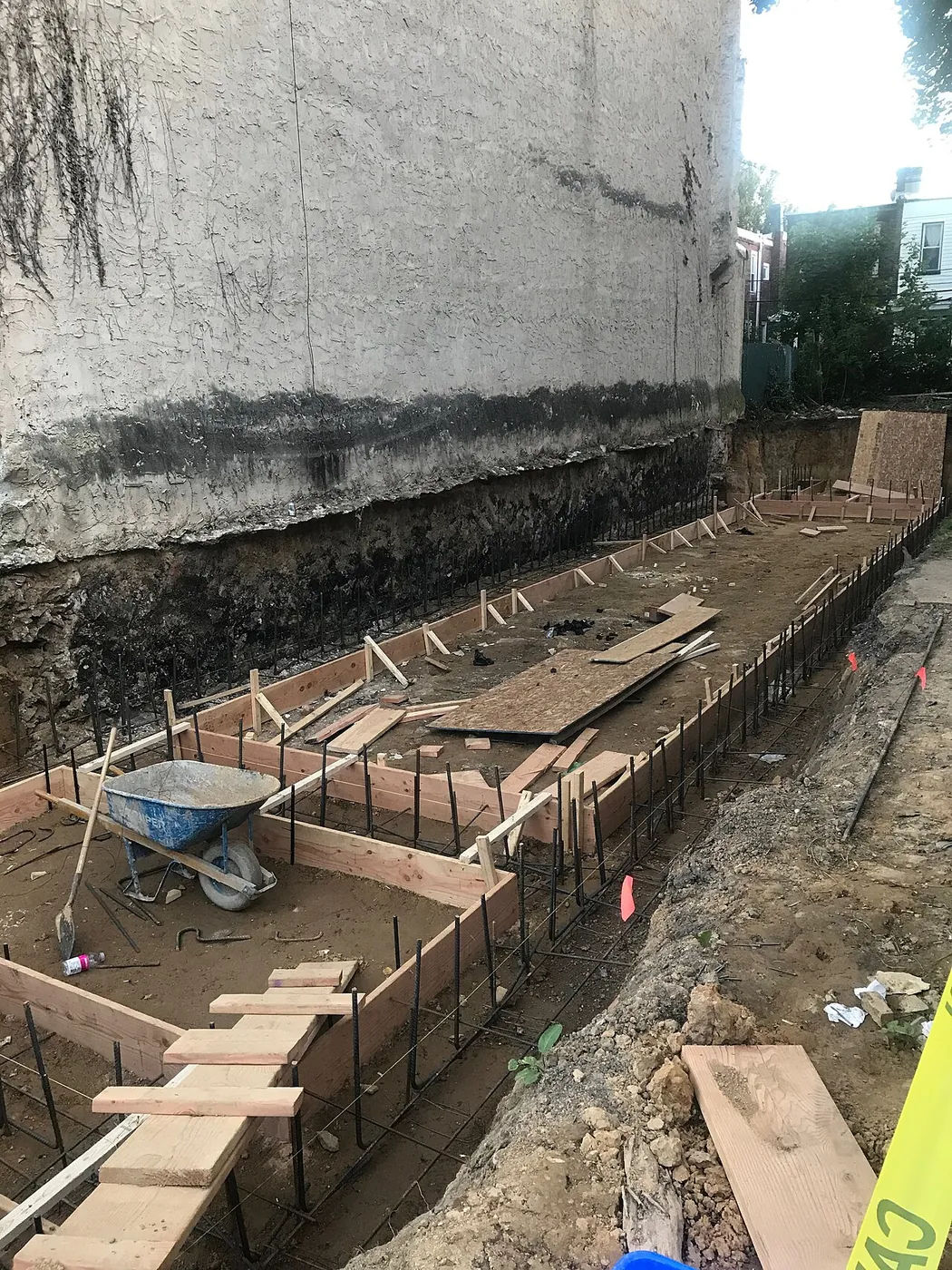
In a conventional concrete slab, steel rebar sits passively inside the concrete to add strength. In a post-tension slab, the reinforcement is different: steel cables (called tendons) are laid in curved paths through the forms before the concrete is poured. After the concrete cures, hydraulic jacks pull each cable extremely tight, and the tension is locked in with anchor wedges at the slab edges. The tightened cables squeeze the concrete, putting the whole slab into compression, which makes it stronger and more crack-resistant than a conventional slab of the same thickness.
This design lets builders use thinner slabs that still span soft or moving soils without cracking. The trade-off is that the slab's strength depends on those cables staying intact and tensioned. A conventional slab with a cut rebar bar loses a little local strength. A post-tension slab with a severed tendon loses a major structural element, and the release of stored energy can be dangerous.
How to Tell If Your Home Has a Post-Tension Slab
- Look for a warning stamp: many post-tension slabs have "POST TENSION SLAB, DO NOT CUT OR DRILL" stamped or stenciled on the garage floor or foundation edge.
- Check the garage: small round or rectangular anchor pockets along the slab edge, often filled with grout, mark where cables were tensioned.
- Review your home's records: building plans, the original builder's documents, or your county permit file usually note the foundation type.
- Ask a professional: a structural engineer or experienced leak detection specialist can identify the slab type during an inspection.
Why Leaks in Post-Tension Slabs Are Riskier
A post-tension slab leak is still a leaking water pipe under concrete, with all the usual consequences: soil erosion, rising bills, warm floor spots, and moisture damage. But the repair environment adds three risks that conventional slabs do not have:
- Repair access is restricted. The standard fix for a slab leak, breaking the concrete at the leak point, is dangerous here unless every cable location is mapped first. Guesswork that is merely wasteful in a conventional slab becomes hazardous in a post-tension slab.
- Corrosion threatens the tendons too. The same water chemistry and soil conditions that corrode copper supply lines can attack steel tendons, especially if the protective sheathing around a cable is damaged. A corroding tendon loses strength silently.
- Leak water can reach the cables. Water escaping under the slab migrates through soil and cracks. If it reaches tendon anchorages at the slab edge, it can accelerate corrosion exactly where the cable's tension is anchored.
These factors do not make a post-tension slab leak unfixable. They make it a job for people who understand post-tension construction and plan the repair around the cables, not through them.
The Hidden Danger: Tensioned Cables
This deserves its own section, because it is the risk homeowners most need to understand. Each tendon in a post-tension slab carries thousands of pounds of tension. If a saw, jackhammer, or drill bit severs one, the cable can whip back violently as the stored energy releases. Workers have been seriously injured this way, and the slab instantly loses a large share of its designed strength in that area.
The danger is invisible because the cables are hidden inside the concrete. You cannot see them, and their exact paths vary from slab to slab. They run in draped curves, higher near supports and lower at mid-span, which means depth alone does not tell you where they are. Only proper locating, using ground-penetrating radar (GPR) or similar scanning, maps them reliably before any cutting begins.
Never let anyone cut, core, or jackhammer a post-tension slab on a guess. The cables inside carry enormous stored energy, and hitting one is dangerous. Cable locations must be mapped before any concrete is broken.
Warning Signs of a Post-Tension Slab Leak
The warning signs are the same as any slab leak, and they deserve the same quick response:
- Warm spots on hard floors, pointing to a hot water line leak under the slab
- A water bill climbing with no change in household usage
- Running-water sounds with all fixtures off
- Damp flooring, warped wood, or moisture along baseboards
- New cracks in floors or walls, which in a post-tension slab deserve extra attention since the design resists cracking
- A water meter that moves with everything shut off
One post-tension-specific note: because these slabs resist cracking by design, new structural cracks appearing alongside leak symptoms suggest significant soil movement underneath. Treat that combination as urgent and get professional eyes on it quickly.
How Detection Works Without Cutting Cables
The good news is that professional leak detection never needs to cut concrete at all. Slab leak detection in Lynnwood uses entirely surface-based tools:
- Pressure and isolation testing identifies which line is leaking, all from accessible valves and fixtures.
- Acoustic listening hears the leak's position through the slab with ground microphones. No drilling, no cutting.
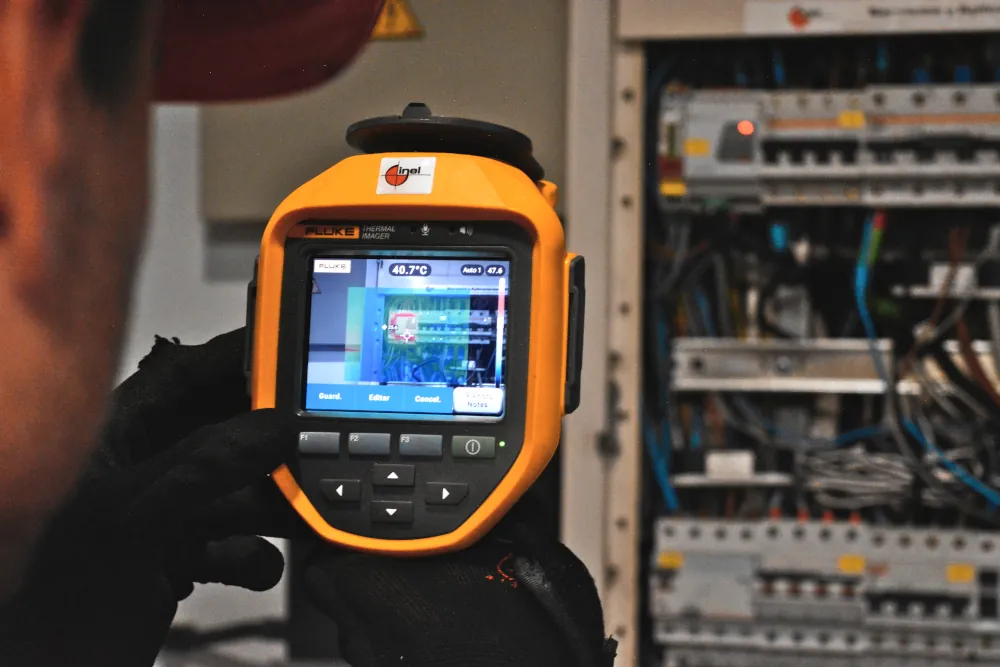
- Thermal imaging maps heat patterns from hot line leaks across the floor in minutes. Our thermal imaging leak detection service is completely non-invasive.
- Tracer gas detection confirms nearly silent leaks with a safe gas mix and a surface sniffer.
Detection tells you the exact leak point. Only if a repair requires breaking concrete does cable mapping enter the picture, and then GPR scanning marks every tendon before a single cut is planned. We serve post-tension homes across the area, including Picnic Point and surrounding Snohomish County neighborhoods, with this same careful, cable-aware process.
Safe Repair Options for Post-Tension Slabs
Once the leak is pinpointed, the repair options for a post-tension slab leak favor methods that avoid the cables:
| Repair Option | How It Avoids Cable Risk | When It Fits |
|---|---|---|
| Pipe reroute (bypass) | No slab cutting at all: new pipe runs through walls or ceilings | Often the preferred option: zero cable risk, accessible future maintenance |
| Epoxy pipe lining | Seals the pipe from the inside through small access points | Sound pipe with pinholes or corrosion, minimal disruption |
| Targeted spot repair with GPR mapping | Cables mapped first, opening placed to avoid every tendon | Single leak in sound pipe where rerouting is impractical |
| Tunneling from outside | Access dug from beyond the slab edge, under the foundation | Multiple under-slab issues needing access without top-down cutting |
Notice what is missing: blind jackhammering. In a post-tension slab, that option is off the table unless cable mapping has cleared the exact opening location. Rerouting is frequently the recommended path because it eliminates cable risk entirely while giving you new, accessible piping.
Protect Your Post-Tension Slab Home
A post-tension slab leak is manageable when it is handled with respect for the cables inside your foundation. Learn whether your home has a post-tension slab, watch for the standard slab leak warning signs, and insist on two things from any professional you hire: non-invasive detection first, and cable mapping before any concrete is ever cut. Those two steps turn a high-risk repair into a controlled, safe project.
If you notice warm floor spots, a climbing bill, or the sound of running water with everything off, do not wait and do not let anyone break concrete on a guess. Call ProLine Leak Fix Pros at (425) 380-0028. Call for availability and get a precise, cable-safe diagnosis for your post-tension slab home.