In This Article
Radiant floor heating leak detection is a specialized service for homes with heated floors. In a hydronic radiant system, loops of tubing run under your floors and carry warm water that heats the room from below. When one of these loops develops a leak, the symptoms look a lot like a slab leak: warm spots, damp floors, and a boiler that keeps losing pressure. Finding the exact loop and the exact leak point takes the right tools.
This guide explains how radiant floor heating works, the warning signs of a leak in the heating loops, how professionals pinpoint the leak without tearing up your floors, and the repair options available once the leak is found.
What Is Radiant Floor Heating?
Hydronic radiant floor heating circulates warm water from a boiler or water heater through flexible tubing, usually PEX, installed under the finished floor or embedded in the slab. The warm tubes heat the floor surface, which then radiates heat into the room. It is quiet, even, and comfortable, which is why it is popular in Lynnwood remodels and new builds alike.
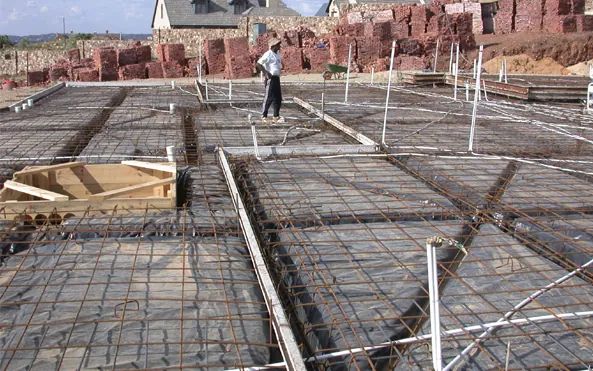
The system has a few main parts: the heat source, a manifold that splits the water into separate loops for each zone, the tubing loops themselves, and controls that manage temperature. A leak can happen in the tubing loop, at a manifold connection, or in the fittings that join everything together. Loops under concrete are the hardest to reach, and they are where professional detection matters most.
Warning Signs of a Radiant Floor Heating Leak
A radiant heating leak often announces itself through the boiler or the floor, not through visible water. Watch for these clues:
- The boiler or system loses pressure and needs frequent refilling, the most reliable early sign
- One zone heats poorly or not at all while the other zones work fine
- Uneven floor temperatures, with hot spots where leaking water spreads heat or cold spots where a loop has lost flow
- Damp spots, warping, or staining on flooring above a heating loop
- The sound of running water in floors or walls when the system cycles on
- Higher energy bills, since the system works harder to replace lost heat and water
- Musty odors or mold near baseboards and floor edges from hidden moisture
A pressure drop that keeps returning is the clearest signal. If you top up the system and the gauge falls again within days, something is leaking. Our thermal imaging leak detection service is often the fastest way to see what is happening inside the floor.
How Radiant Floor Heating Leak Detection Works
Radiant floor heating leak detection uses the same non-invasive technology as slab leak detection, tuned for heated loops. The goal is to find the exact tubing loop and the exact leak point so the repair opening is as small as possible.
Step 1: Isolate the leaking zone
The technician closes valves at the manifold to test each zone separately. The zone that will not hold pressure is the leaking one. This single step can narrow the search from the whole house to one room.
Step 2: Thermal imaging scan
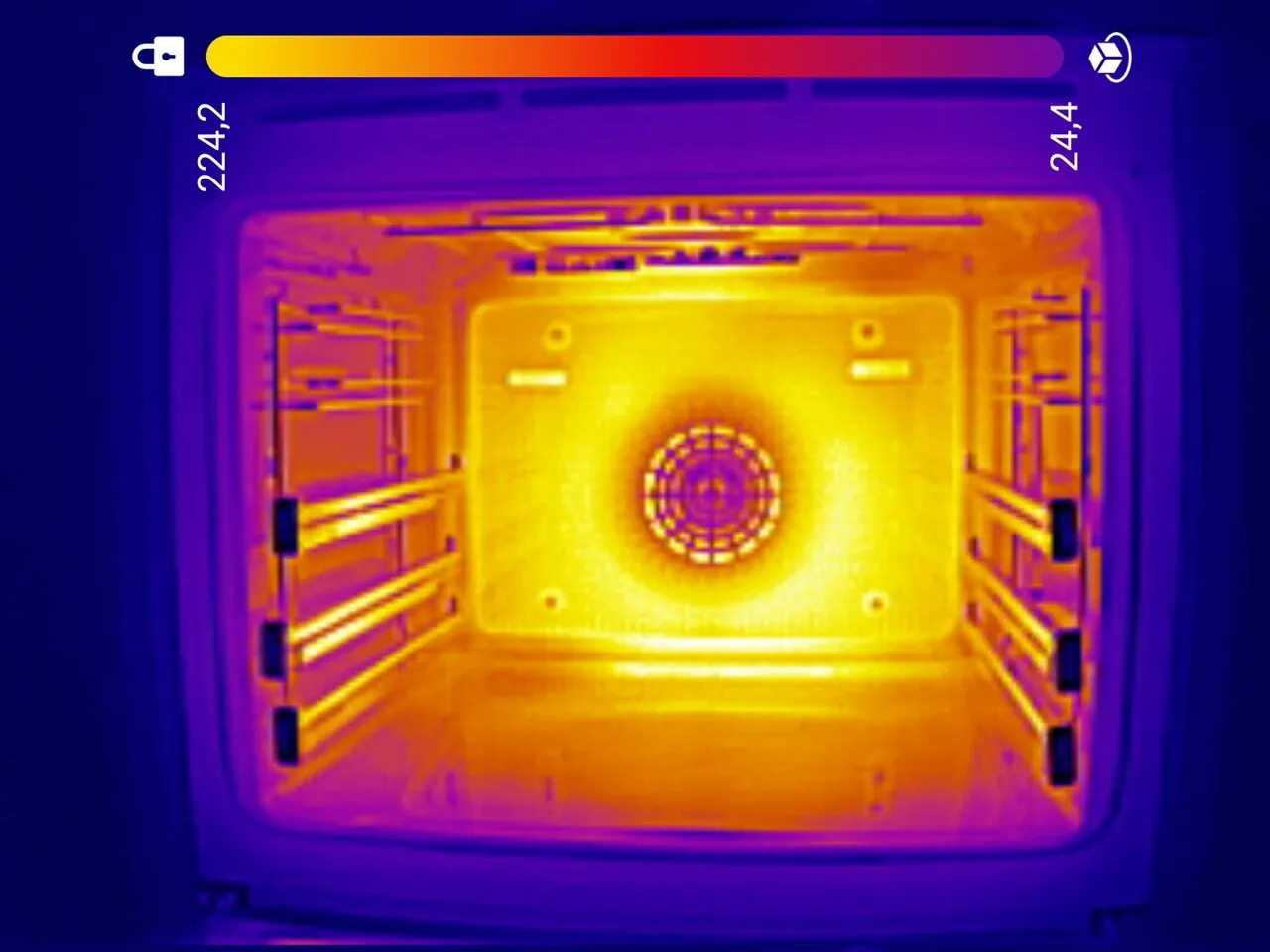
An infrared camera scans the floor while the system runs. Leaking hot water creates a visible warm plume that spreads from the break point, and the camera shows the tubing layout, the leak location, and how far moisture has traveled. This is the workhorse method for radiant floor heating leak detection.
Step 3: Acoustic listening
Sensitive microphones listen for the hiss of pressurized water escaping the loop. Acoustic tools confirm what the camera sees and help mark the exact spot on the floor. Learn more about the technique in our acoustic leak detection service overview.
Step 4: Pressure and moisture mapping
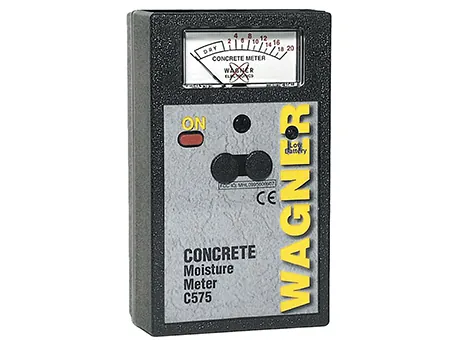
Moisture meters confirm how far water has spread into flooring and subfloor, which matters for planning both the pipe repair and any flooring restoration.
In a radiant floor system, the leak is almost never where the floor looks worst. Water travels along the tubing path, so the damp spot you see can be feet away from the break. Detection equipment finds the break, not just the symptom.
Repair Options for Leaking Heating Loops
Once the leak point is marked, a repair contractor can fix it with one of these approaches:
- Targeted loop repair. The floor is opened at the marked point, the damaged tubing section is cut out, and a new section is joined with approved fittings. This works well for a single leak in an otherwise healthy system.
- Manifold or fitting replacement. If the leak is at a connection rather than in the tubing itself, the fitting is replaced without disturbing the loop.
- Loop bypass or abandonment. For a loop that has failed in multiple spots, the damaged loop is capped off and a new loop is run, sometimes over the slab instead of under it.
- Under-slab tunneling. In some homes, technicians can reach the leak from below through a tunnel instead of cutting the finished floor above. See our guide on under-slab tunneling for pipe repair for how this works.
What Affects the Cost of Detection and Repair
Every system is different, but these factors shape the overall project:
| Cost Factor | Why It Matters |
|---|---|
| Flooring type | Tile and stone are harder to open and patch than carpet or laminate |
| Leak location | A leak under an open room is easier to reach than one under built-in cabinetry |
| Number of leaks | Multiple failed points can make loop replacement smarter than repeated spot repairs |
| Detection accuracy | Pinpoint detection keeps the repair opening small and restoration simple |
| System age and condition | Older tubing near the end of its life may justify replacing the loop instead of patching it |
The detection step is what keeps costs under control. One precise opening beats three exploratory cuts every time, both in labor and in flooring restoration.
Preventing Future Radiant Heating Leaks
A few habits extend the life of a radiant system:
- Keep water pressure in the normal range. High system pressure stresses every fitting and loop.
- Use the right water treatment. Untreated water can corrode metal components and clog the system.
- Service the boiler on schedule. Annual checks catch pressure relief issues and failing parts before they damage loops.
- Avoid driving fasteners into heated floors. Nails and screws from later remodeling are a common cause of loop punctures. Mark tubing locations before any floor work.
- Insulate the slab edge and below. Proper insulation reduces thermal stress on the tubing from freeze and thaw cycles.
Homes around Meadowdale and other Snohomish County neighborhoods often pair radiant heat with slab foundations, so a leak can sit under concrete for a long time before anyone notices. Seasonal checks of your boiler pressure take a minute and catch problems early.
Fix Radiant Floor Heating Leaks the Smart Way
Radiant floor heating leak detection turns a stressful mystery into a marked spot on the floor. With zone isolation, thermal imaging, and acoustic confirmation, professionals can find a leaking loop without tearing up room after room, and the repair can stay small, fast, and final.
If your boiler keeps losing pressure, one zone runs cold, or your floor shows unexplained damp spots, do not wait for the damage to spread. Call ProLine Leak Fix Pros at (425) 380-0028. Call for availability and let our specialists pinpoint your radiant heating leak with thermal imaging and acoustic technology.