In retail, water damage does not just ruin drywall. It ruins inventory, closes sales floors, and sends customers to competitors. A ceiling leak over a display during the holiday season can cost more in a weekend than a year of prevention. Retail store water damage prevention is a business continuity discipline, and it starts with knowing where leaks hide.
This guide covers retail-specific leak risks, how to find hidden sources without closing your doors, and the lease questions to settle before water starts flowing. Lynnwood retailers can call ProLine Leak Fix Pros at (425) 380-0028 for availability.
- Retail leaks threaten inventory, fixtures, and the customer experience simultaneously.
- Roof drains and rooftop HVAC condensate cause most sales-floor ceiling leaks.
- Move and document merchandise before cleanup changes the scene.
- Read your lease's maintenance sections before you need them.
- A pre-holiday walkthrough prevents peak-season disasters.
In This Guide
What Is at Stake in a Retail Leak
Retail leaks hit three things at once: the physical space, the merchandise, and the customer experience. Wet flooring creates slip hazards and liability. Damaged inventory cannot be sold at full price, if at all. And a store with buckets catching drips tells every shopper to come back another day, or not at all.
Strip malls and shopping centers add shared-roof complexity. Your leak may originate from a neighbor's HVAC unit or a common roof drain, which makes the source harder to find and the responsibility harder to assign.
Where Retail Leaks Start
- Roof drains and membranes: the top cause of retail ceiling leaks, especially on flat roofs.
- Rooftop HVAC condensate: clogged lines drip into ceiling plenums above sales floors.
- Restroom plumbing: employee and customer restrooms with aging fixtures.
- Fire suppression lines: pinhole leaks in sprinkler piping above inventory.
- Adjacent tenant spaces: leaks that travel along shared walls and ceilings.
- Storefront and facade: wind-driven rain entering around signage and glazing.
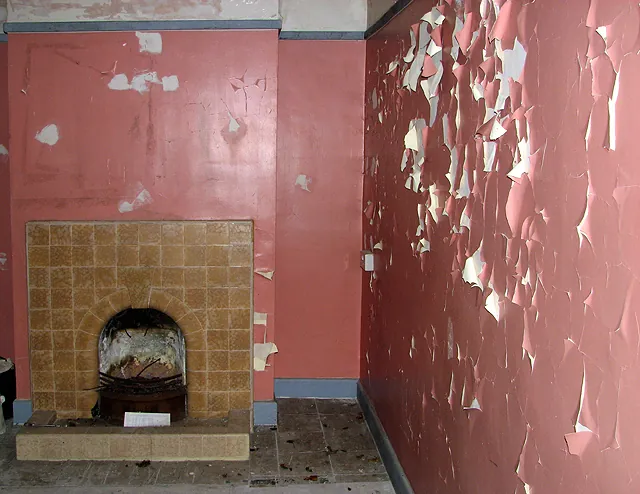
In retail, the ceiling stain is the last symptom, not the first. By the time water shows, insulation above is usually saturated and inventory below is already at risk.
Protecting Inventory and Fixtures
When a leak is suspected, protect merchandise first. Move high-value stock away from the affected zone, cover fixtures with sheeting, and document everything with photos before anything is moved. This documentation supports both insurance claims and landlord discussions.
Longer term, avoid storing irreplaceable or high-value inventory directly under known roof penetrations, HVAC units, or restroom stacks. A simple floor plan marking these zones prevents the worst placement mistakes.
Finding Leaks Without Closing the Store
Professional retail leak detection works around business hours:
- Moisture mapping above and around the affected area traces the water path.
- Thermal imaging finds saturated insulation and hidden wet zones without opening ceilings.
- Acoustic listening after hours pinpoints pressurized line leaks.
- Source confirmation distinguishes roof intrusion from plumbing failure, which determines who fixes what.
That last distinction is critical in leased retail space, because roof issues and plumbing issues usually fall on different parties. Our moisture intrusion inspections document the difference with evidence.
Leases, Landlords, and Responsibility
| Issue | Typically Landlord | Typically Tenant |
|---|---|---|
| Roof and structure | Yes | Notify promptly |
| Common HVAC | Often | Check lease terms |
| In-store plumbing fixtures | Rarely | Yes |
| Damage to inventory | Rarely | Tenant insurance |
Read your lease's maintenance and casualty sections before you need them. When a leak's origin is disputed, a professional detection report showing exactly where the water came from resolves the argument faster than any email chain.
A Store Manager's Prevention Checklist
- Weekly: visual check of ceilings, stockroom walls, and restrooms.
- Monthly: inspect under sinks and around water-using equipment.
- Seasonally: confirm roof drains are clear before the rainy season.
- Annually: professional review of plumbing and roof-adjacent systems.
- Always: know the main water shutoff location and the landlord's emergency contact.
Pre-Holiday Leak Checks for Retailers
The worst time for a retail leak is peak season, when the sales floor is full of inventory, staff are stretched thin, and every closed section costs real money. The best time to prevent it is a few weeks before, with a focused pre-holiday walkthrough.
Work through this checklist in early fall, before the rainy season and the shopping rush arrive together:
- Roof drains and gutters: confirm they are clear. Most holiday-season ceiling leaks start with a clogged drain from autumn leaves.
- Rooftop HVAC units: check condensate lines and drain pans above the sales floor.
- Restrooms: inspect supply lines, flush valves, and seals in customer and employee restrooms.
- Stockroom walls and ceilings: look for early staining where inventory is densest.
- Fire suppression: glance at visible sprinkler piping for corrosion or weeping joints.
- Entry vestibules: check that wind-driven rain is not entering around doors and glazing.
If the walkthrough finds anything suspicious, schedule professional detection immediately, while contractors still have calendar space and before inventory peaks. A dry, uneventful holiday season is the return on a single afternoon of prevention.
Coordinating With Mall and Center Management
In shopping centers and strip malls, the roof, structure, and common systems usually belong to the landlord, which makes coordination essential. Report suspected roof or common-area leaks to center management in writing immediately, with photos and the exact location marked on a floor plan. Follow up persistently, because your urgency about inventory rarely matches a distant manager's urgency about a roof.
Keep your own records regardless of who is responsible for the repair. Document when you reported, what you were told, and how the problem progressed. If merchandise is damaged while waiting for a landlord repair, that timeline supports your claim. And when the origin is disputed between your space and a neighbor's, a professional detection report naming the true source ends the debate faster than any lease interpretation.
Conclusion: Keep the Doors Open and the Floor Dry
Retail store water damage prevention protects inventory, customers, and revenue. Watch the ceilings, know your lease, and bring in professionals who can pinpoint a source without closing your store. If your Lynnwood shop has a stain, drip, or musty stockroom, call ProLine Leak Fix Pros at (425) 380-0028 today.