In This Article
You turn on the tap to fill a glass and the water runs tea colored. Or the bathtub fills with a yellow tint, or the first burst from the hose bib comes out orange. Discolored water is unsettling, and it is also genuinely informative, because rust tinted water only comes from a few places: the public main in the street, your own aging pipes, or your water heater. Each source has a different fix, and two simple tests separate them.
This guide explains what the colors mean, how to run the inside or outside test, the causes that matter most for your plumbing, and when discolored water is a clue to a bigger problem like a corroding line or a hidden break.
What the Colors Are Telling You
Rust colored water, in shades of orange, red, and brown, is water carrying iron oxide: rust particles. In a municipal system, rust usually comes from old iron mains, and it gets stirred up whenever flow in the street changes suddenly, after a main break, hydrant use, or nearby construction. In your own plumbing, the same colors can come from galvanized pipes that are rusting from the inside, a steel component corroding, or sediment that has built up in a water heater tank and gets disturbed.
Yellow water is often the milder version of the same story, a light rust tint or natural minerals showing when water sits. Milky white water that clears from the bottom of the glass upward is usually just tiny air bubbles from pressure changes, and it is harmless and temporary. Black specks or a black tint can point to deteriorating rubber parts or a water heater issue. The pattern, which taps, hot or cold, and how long it lasts, is what turns a color into a diagnosis.
The Inside or Outside Test: Two Glasses Tell the Story
Run this simple comparison before you call anyone:

- Pick the tap nearest the meter, usually a hose bib or a laundry sink, and run the cold water for two minutes into a white bucket or clear glass.
- Repeat at a far tap inside the house, cold only, and compare the two samples side by side.
- Test the hot side separately at any tap, since hot water tells the water heater's story.
- Ask a neighbor whether their water is discolored too, or check whether the city reports work on your street.
The results sort the cause quickly. If the first tap by the meter is already rusty and the neighbors match, the source is the street supply, and the water usually clears once the disturbance passes. If the water arrives clear at the meter side tap but runs rusty at far taps, your own pipes are adding the rust. If only the hot water is discolored, the water heater is the prime suspect. Each answer leads to a different next step, which is why this ten minute test is worth doing carefully.
The Causes Inside Your Home That Matter Most
Galvanized steel pipes are the classic inside cause in older Lynnwood homes. They rust from within over decades, tinting the water, narrowing the pipe, and dropping pressure, worst at the first draw in the morning after water has sat in them all night. Rust from galvanized lines is not just a color issue: the same corrosion that tints your water is thinning the pipe wall, and sections that discolor heavily are the sections most likely to start leaking.
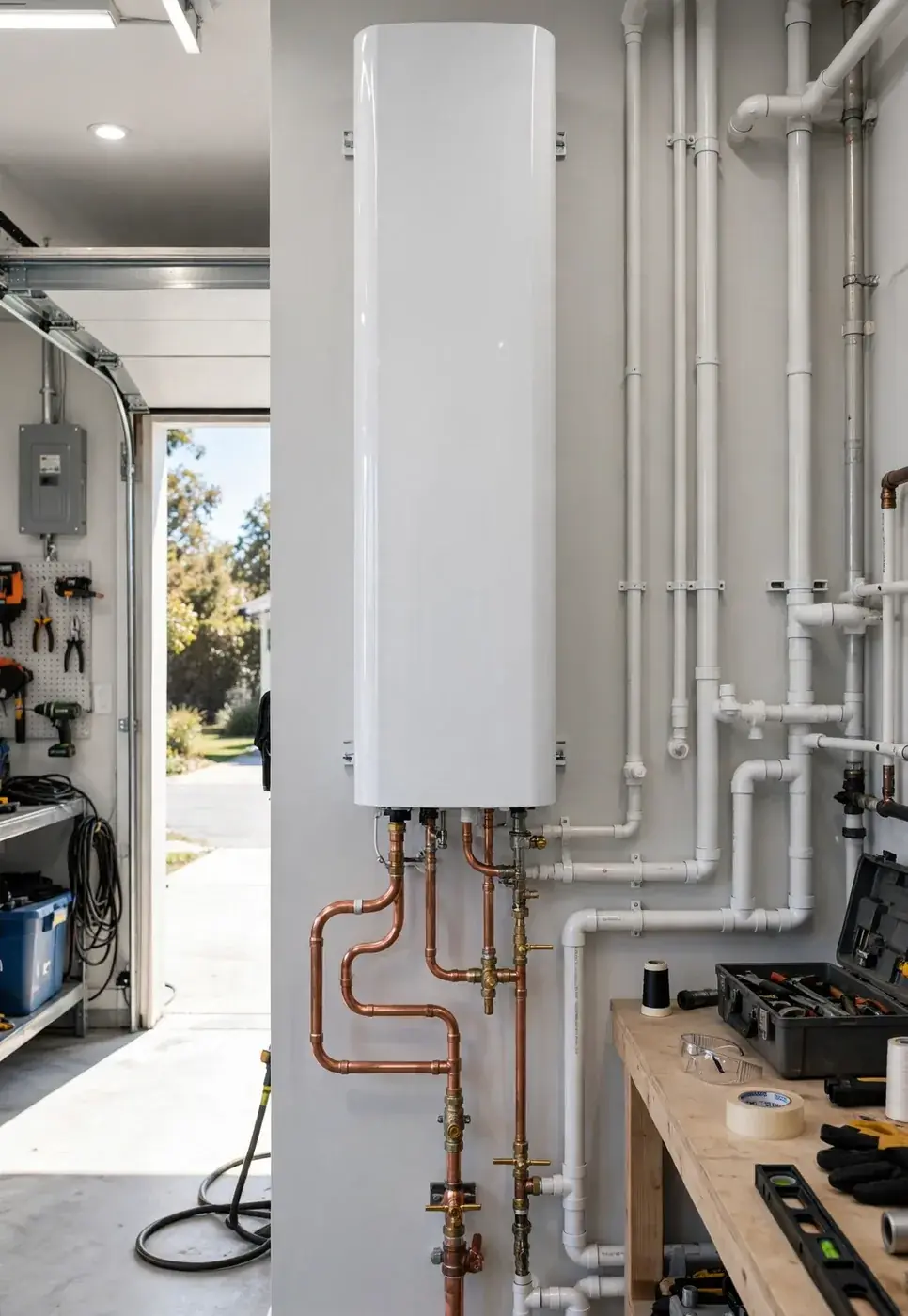
The water heater is the second inside cause. Sediment collects in the bottom of a tank over the years, and a disturbance, a high demand day or a pressure change, can stir it into the hot water supply. A corroding anode rod or tank lining adds its own rust to the hot side. A third, subtler cause is a break or leak in your own service line or plumbing that lets rust and sediment shift around the system. Discoloration that arrives together with a pressure drop or a damp spot in the yard deserves a leak check, not just patience.
Keep notes for a week if the problem is intermittent, because intermittent discoloration is a pattern puzzle. Jot down the time, the tap, hot or cold, what the household was doing, and what the street was doing: construction nearby, a flushed hydrant, a neighbor's irrigation kicking on. Morning only rust points at water sitting in your own lines overnight. Rust after the dishwasher or laundry runs points at a disturbance inside the house, often the heater or a section of pipe that sheds when flow surges. Rust that arrives with hammering pipes or a sudden pressure change hints that something in the system moved, and systems usually move for a reason, such as a failing pressure regulator or a line that has begun to leak and shift the flow. A week of honest notes turns a vague complaint into a diagnosis that a technician can confirm in one visit instead of three.
What to Do While the Water Runs Discolored
For a street caused event, the standard advice works: avoid running hot water so you do not pull rust into the heater tank, hold off on laundry since rust can stain fabric, and run a cold tap for a few minutes periodically until it clears. Cold water for drinking and cooking can be drawn after a flush until the supply runs clear. These events typically settle on their own once the disturbance in the main passes.
For an inside cause, flushing only buys time. Note which taps and which side, hot or cold, are affected, and when it is worst: first draw, after vacations, or all day. That pattern is the evidence a plumber or leak specialist needs. If discoloration is new, worsening, or paired with falling pressure, do not simply wait it out. Those changes say the pipe or heater condition is progressing, and progressing corrosion inside a wall or under a floor is exactly how surprise leaks are born.
How Professionals Trace Discoloration to Its Source
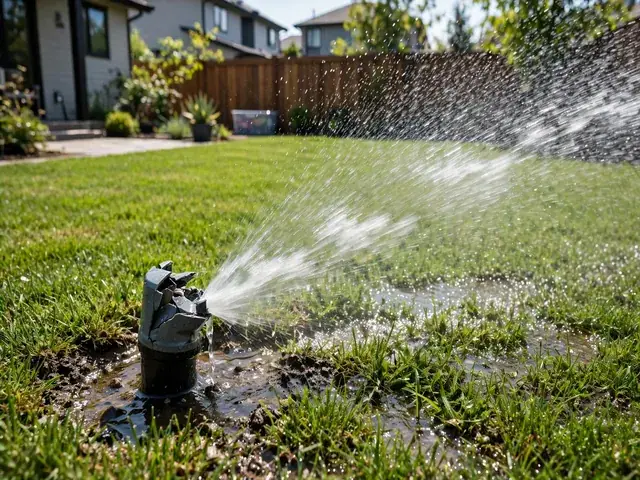
A professional visit builds on your two glass test. Pressure readings at several points show whether rust narrowed pipes are choking flow. The water heater is checked for sediment and anode condition when the hot side is involved. Where the pattern suggests a line problem, inspection of exposed runs looks for the heavy internal rust sections, and a system pressure test checks whether a corroding line has already begun to leak. When a break in a buried service line is suspected, acoustic listening can locate it by the sound of escaping water.
ProLine Leak Fix Pros applies this sequence on water leak detection visits across Snohomish County. The aim is a specific answer: street supply, heater, one aging run of pipe, or an active leak, so the money you spend lands on the component that is actually failing.
Conclusion: Color Is a Clue, and the Pattern Is the Diagnosis
Rusty water is rarely mysterious once you read its pattern. Rust at every tap with the neighbors matching is the street talking. Rust only in your house is your pipes talking, and rust only in the hot water is your heater. The two glass test takes ten minutes and tells you which conversation you are in, and whether patience or a repair is the right response.
If the discoloration traces back inside your Lynnwood home, is getting worse, or arrives with pressure loss, have the system checked. ProLine Leak Fix Pros pinpoints whether aging pipes or a hidden leak are behind your water's color, so you fix the cause while it is still a pipe problem, not a water damage problem.