In This Article
How Traps and Vents Normally Keep Sewer Air Out
Your bathroom drains connect to the same pipes that carry waste away, yet the room does not smell like a sewer, because of two simple guards. The first is the trap: a curved section of pipe under each sink and tub that always holds a plug of water. Air cannot pass that water plug, so sewer gas stops there. The toilet has its trap built in, which is the water you see in the bowl.
The second guard is the vent system. Pipes rise from the drains through the roof, giving sewer air a free exit upward and keeping pressure in the drains steady. Steady pressure matters because it protects the traps: strong pushes or pulls of air can bubble through a trap or siphon its water away. When the smell comes and goes, one of these guards is failing only under certain conditions, which is exactly why the odor has a schedule.
The Triggers That Explain Most On and Off Smells
Match the smell to its trigger and the cause usually names itself:
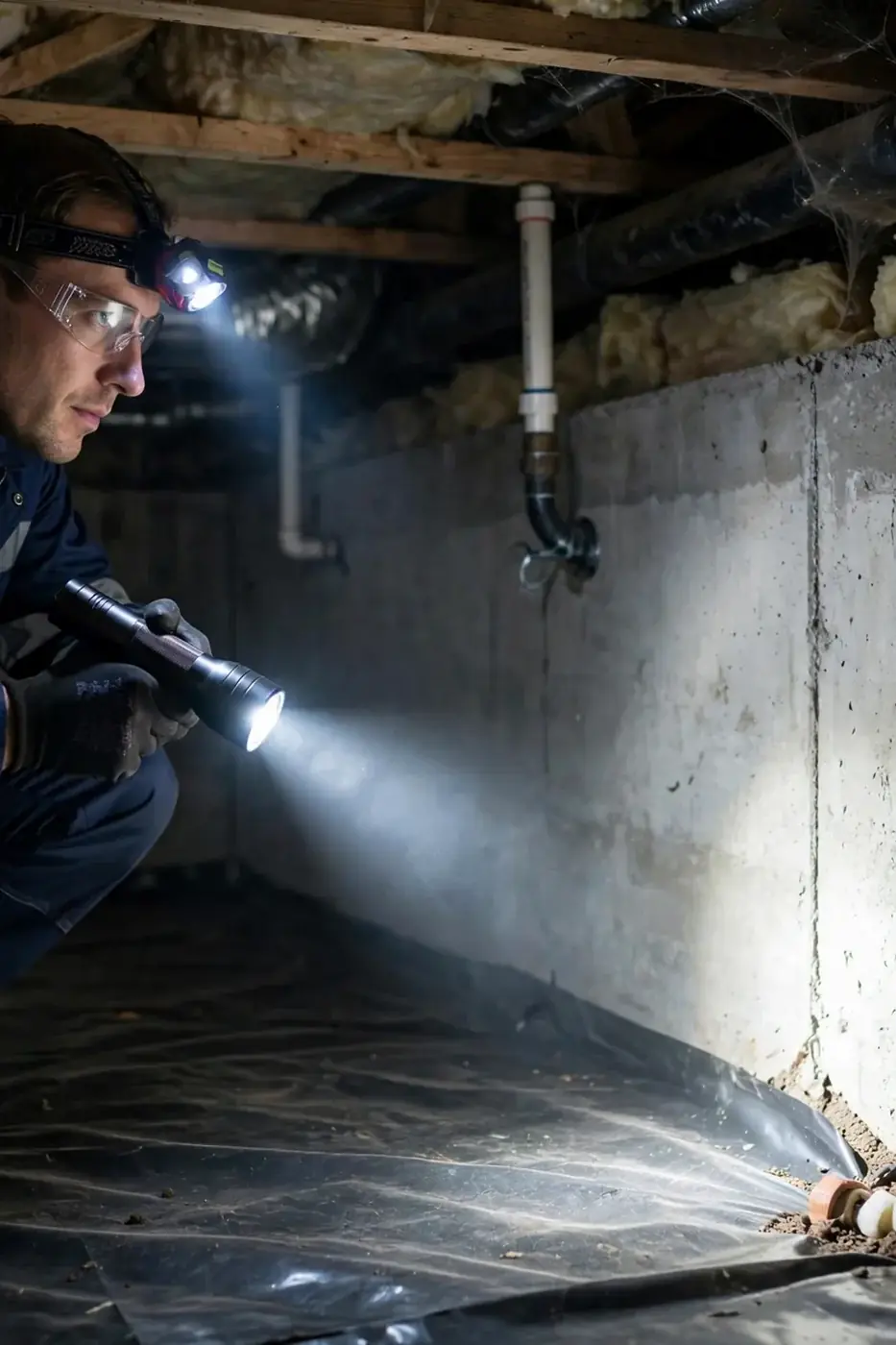
- After rain: a compromised line or a vent problem struggles more when groundwater and storm flow load the system, pushing air back toward the house
- When guests visit: heavy water use from extra showers and laundry sends large flows down the line, and a partial blockage pushes air through the nearest traps
- On laundry day: the washing machine drains fast and in volume, the classic stress test for a narrowing main line
- In a guest bathroom: fixtures that sit unused for weeks lose trap water to evaporation, leaving an open path for odor
- On windy days: wind over the roof vent can change vent pressure, and a weak seal somewhere gives up first
- After flushing: a toilet with a failing wax seal can release a puff of sewer air at its base with every flush
In many Lynnwood homes, two small causes combine: a partly dry trap in a spare bathroom plus normal pressure swings. The fix is small once you know which guard is weak.
Checks That Find the Weak Point, in Order
Work through these before assuming the worst:
- Refill every trap. Run water in every sink, tub, and shower for a full minute, and pour a bucket into floor drains. If the smell fades for days, evaporation was the cause. A spoonful of mineral oil in rarely used traps slows evaporation.
- Sniff fixture by fixture. Get close to each drain and the toilet base, one at a time, on a day when the smell is present. Odor strongest at one drain points at that trap or that fixture.
- Watch the toilet bowl. Bubbling or a rocking water level while other fixtures drain means pressure is forcing air through, which points downstream or at the vent.
- Check the toilet base. Movement when you sit, water staining, or smell strongest at floor level suggests the wax seal is failing.
- Note the weather and the water use. A simple log of smelly days against rain and laundry points a technician straight at the right test.
Air fresheners and bleach in the drains do not fix any of these causes, and they hide the pattern that would have identified the source.
When the Wandering Smell Means a Hidden Leak
Sometimes the smell is not about traps at all. A cracked drain pipe inside a wall or under a floor can leak wastewater into the building materials, and the odor rises and falls with how much water the household uses and how damp the hidden space stays. A shower drain that leaks into the subfloor, for example, may only smell after long showers, when enough water has escaped to soak the wood below.
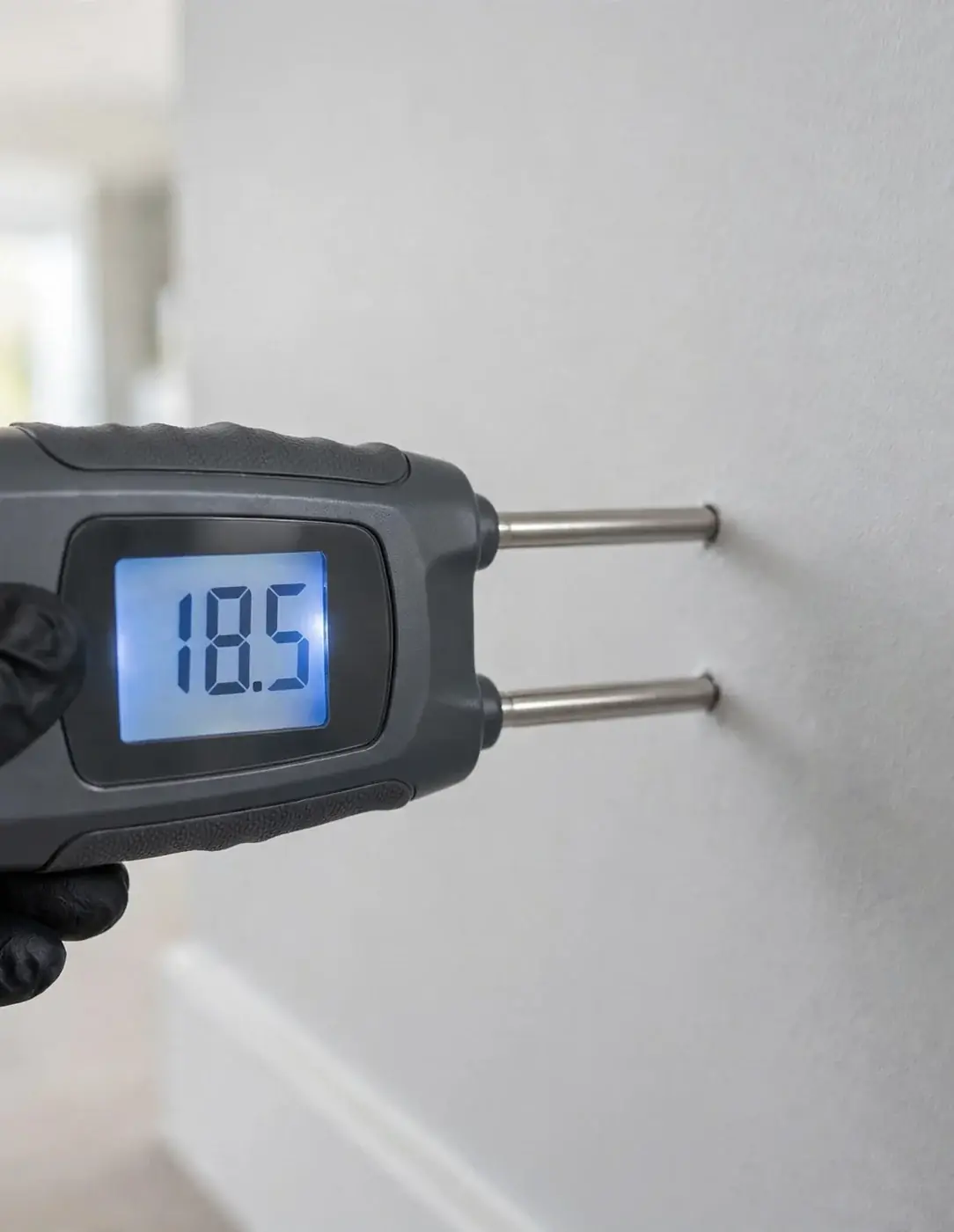
Smell that pairs with soft flooring, bubbling paint near a bathroom wall, or a musty undertone that never fully leaves deserves a moisture check, not just a trap refill. Water and waste escaping a pipe do slow damage that cleaning cannot touch, and the odor is often the first and only early evidence you get.

How Professionals Track a Smell to Its Source
The tool made for exactly this problem is smoke testing. A technician introduces harmless, visible vapor into the drain system and watches where it escapes. It drifts out of failed wax seals, cracked pipes, dry traps, and broken vent joints, turning an invisible air leak into something you can see and point at.
Where a drain leak is suspected, hydrostatic pressure testing confirms whether the line holds water, and a camera inspection shows cracks, root entry, and buildup inside the main line. ProLine Leak Fix Pros uses smoke, camera, and pressure testing across Snohomish County to find odor sources without opening walls on a guess. Once the escape point is found, the repair is usually focused and small compared with the weeks of guessing that came before it.
While you track the pattern, a few comfort steps are safe and genuinely help. Run the bathroom exhaust fan during and after showers, because it pulls moist, smelly air out before it spreads through the house. Keep drains in use: a guest bathroom that gets one flush and one sink run each week rarely develops a dry trap at all. If the smell is strong on a particular day, opening a window and closing the bathroom door contains it better than spraying fragrance, which only layers a second smell over the first. What you should not do is seal around the toilet base or block a floor drain to stop the odor. Sealing hides the evidence while the escape continues into hidden spaces, and a blocked floor drain removes the safety outlet a basement or laundry room needs. Contain the smell, log the pattern, and keep the path clear for the test that will find the source.
Conclusion: A Smell With a Schedule Has a Cause You Can Find
Sewer smell that comes and goes is not a mystery to live with. It is a guard failing under specific conditions: a drying trap, hard working drains pushing air past a partial blockage, a tired wax seal, or a hidden crack. Match the trigger, run the checks in order, and let smoke testing settle the question if the pattern points inside the walls. The smell has a source, and sources can be fixed.