In This Article
It is a classic household prank, except nobody is laughing. You are mid shower, the water is perfect, someone flushes a toilet down the hall, and the shower suddenly turns freezing, or in older homes, dangerously hot. The flush did not touch your shower directly. It changed the pressure balance in the pipes you share, and your shower valve paid the price.
This guide explains the simple physics behind the temperature swing, why some homes swing cold and others swing hot, and which parts of your plumbing decide how bad it gets. It also covers the fixes, from the quick checks to the valve upgrade that ends the problem, plus the rare case where a sudden change in this behavior points to a deeper pressure or leak issue.
The Physics: One Flush, Two Pipes
Your shower mixes hot and cold water to reach the temperature you set. Both lines arrive under pressure, and the mix depends on that pressure staying roughly balanced. A toilet flush opens a fast, heavy draw on the cold line as the tank refills. For those seconds, cold pressure at the shower valve drops sharply.
What happens next depends on your valve. With a simple old mixing valve, the cold share of the mix falls while the hot share stays the same, so the shower swings hot. In homes where the hot supply is the weaker side, often because of a long run from the heater or a tank refilling at the same time, the swing can feel cold instead. Either way, the swing is a symptom of pressure imbalance, not a broken shower by itself.
The same physics explains the other classic swings. Start a cold heavy appliance like a washing machine fill and the shower may drift. Run the hot tap at a nearby sink and the shower cools, because now the hot side is the one being robbed. Once you see the pattern, you can predict the swing from the sound of any fixture in the house, which at least takes the surprise out of it while you plan the real fix.
Your Valve Decides How Bad It Gets
Modern shower valves are built for exactly this problem:
- Pressure balance valves: a sliding piston senses a pressure drop on one side and throttles the other side to match, holding temperature steady
- Thermostatic valves: a temperature sensing element adjusts the mix continuously and holds the set temperature most precisely
- Old two handle or simple mixing valves: no protection at all, so every flush, faucet, or appliance draw anywhere in the house shows up in your shower
If your shower swings hard at every flush, you almost certainly have an unprotected valve, or a pressure balance valve whose piston has stuck with age and scale. A stuck balancer is sneaky: the valve looks modern, but it behaves like its grandfather.
If you are not sure which valve type you own, the escutcheon plate and handle style offer hints, and the age of the bathroom offers more. Homes and remodels from recent decades almost always used protected valves by code and custom. Older original bathrooms are the usual suspects for unprotected mixers. A stuck balancing spool can also be freed or replaced without changing the whole valve, which is worth asking about before anyone quotes a full replacement.
Pipe Size and Layout Make It Worse
Valves are not the whole story. In many older homes, the bathroom group shares a single undersized cold branch. When the toilet, the sink, and the shower all draw from that one modest pipe, any draw starves the others. Long runs, corroded galvanized sections, and partly closed supply stops shrink the margin further.
Water heater placement plays a role too. If the hot line travels far and the cold line is short, the two sides respond at different speeds and the mix wanders. None of this means your plumbing is failing. It means the system was built before pressure protection was standard, and it shows its age every time two fixtures run at once.
There is a related trap in homes where a bathroom was added later. The new bathroom often ties into whatever line was easiest to reach, not the line sized for the job. That bathroom then lives on a borrowed supply, and every fixture in it bullies the others. If your temperature swings live mostly in the added bathroom, layout is a prime suspect, and a good technician will want to see how that room was fed.
How Professionals Check a Sudden Change
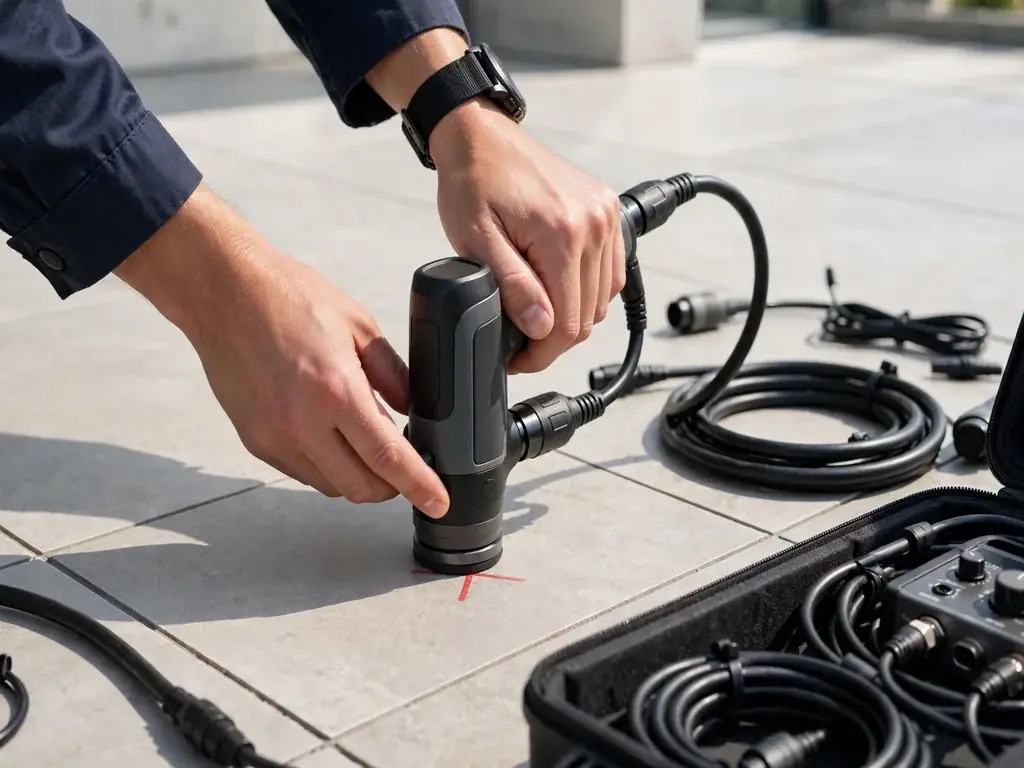
A shower that has always swung a little is a comfort issue. A shower that suddenly starts swinging, or swings far harder than it used to, deserves a closer look, because something in the system changed. Pros start with pressure readings: static pressure at rest, then pressure while fixtures run, to see how far the system sags under load.
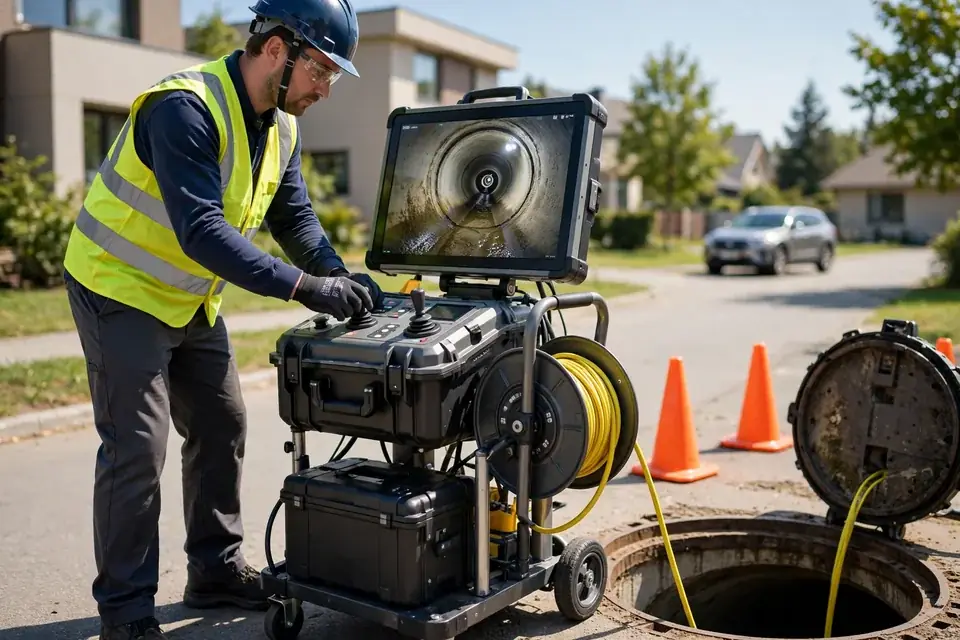
A failing pressure regulator, a main line restriction, or even a hidden leak bleeding pressure from the system can all show up first as temperature drama in the shower. Technicians check the regulator, test the meter for silent loss, and inspect the valve cartridge. If pressure loss points to a leak, acoustic and thermal tools locate it. ProLine Leak Fix Pros runs these checks in Lynnwood homes so a comfort complaint does not hide a developing problem, and so a simple valve fix is not sold as a cure for something bigger.
Pressure testing under load is the key move, and it is revealing. A system that holds strong pressure at rest but sags deeply the moment two fixtures run is a system with a restriction or an undersized heart. A system that cannot even hold rest pressure is losing water somewhere. The shower swing is the same event viewed from inside the tub. Measure the system and the shower explains itself.
The Fixes, From Simple to Permanent
Start simple. Make sure the shower supply stops and the toilet supply valve are fully open, and clean the showerhead, since a clogged head exaggerates every fluctuation. If your valve has a replaceable cartridge with a balancing spool, a fresh cartridge often restores the protection it was built to give.
The permanent fix for an unprotected valve is replacement with a modern pressure balance or thermostatic valve. It is the single upgrade that ends the flush effect for good. If pressure readings show the whole house sagging under load, the fix may sit upstream instead: a regulator adjustment or repair, or clearing a restriction. Match the cure to the measured cause and the prank ends.
A household workaround can soften the problem while you plan the real fix: lower the toilet tank fill level slightly and make sure its fill valve is not an oversized, fast filling type that grabs cold water aggressively. It will not cure an unprotected valve, but it shrinks the cold grab that starts the swing. Families with one bathroom and a tight morning schedule have survived on smaller tricks than that.
Conclusion: It Is a Pressure Story, Not a Ghost
A shower that swings when a toilet flushes is reacting to a pressure drop on a shared line, and your valve type decides whether you feel it. Old valves pass the swing straight through. Modern protected valves absorb it. Pipe size, corrosion, and system pressure set the stage.
If the behavior is new or suddenly worse, treat it as a signal and get the system pressure tested. Call ProLine Leak Fix Pros at (425) 380-0028 and we will measure what is happening and tell you whether it is a valve, a regulator, or something hidden.
Keep perspective on severity. A mild, lifelong swing in an old bathroom is a personality trait of the house. A swing that scalds is a safety problem today, especially with children or older relatives in the home, and it justifies the valve upgrade on its own. And a swing that changed character recently is the house reporting a change in its pressure health, which is always worth one professional visit.