In This Article
Few plumbing problems are as annoying as a shower that will not hold its pressure. Maybe it starts fine and fades after a minute. Maybe it has slowly weakened over a season until rinsing your hair feels like standing under a watering can. Either way, the shower is telling you something about the plumbing behind the wall, and the message is worth decoding.
Shower pressure loss follows a short, well known list of causes, and most of them can be sorted with simple checks that need no tools beyond a bucket and a wrench. This guide works from the showerhead inward: the head itself, the valve, the pipes feeding it, and the one cause nobody wants, a hidden leak quietly stealing pressure and soaking the wall at the same time.
Start at the Showerhead Itself
The most common cause is also the easiest to fix. Minerals and sediment collect inside the showerhead and in its flow restrictor, narrowing the openings a little more each month. The change is so gradual that many homeowners blame the water supply instead.
Unscrew the head and hold it up to the light. If the holes look crusty or uneven, soak the head in vinegar overnight and rinse it. While the head is off, run the shower arm briefly into a bucket. If water rushes out strongly with the head removed, the head was your whole problem. If the flow from the bare arm is already weak, the restriction sits deeper, in the valve or the pipes, and you should keep reading.
While the head soaks, look at the small rubber flow restrictor inside its neck if your model has one. These washers collect grit on their screen, and a gentle rinse under the tap can restore flow by itself. If the head is old, scaled inside where you cannot reach, replacement is often smarter than another round of cleaning. Modern heads are designed to feel strong even at modest flow, so a fresh one can transform the shower.
The Shower Valve: The Middle Suspect
Behind the handle sits the mixing valve and its cartridge, and cartridges wear. Seals swell, passages narrow with scale, and the pressure balancing spool inside can stick. A sticking balancer often shows a specific pattern: pressure or temperature swings when another fixture runs somewhere in the house.
Test the pattern. Run the shower, then flush a toilet or start the washing machine. A brief change is normal in older plumbing. A big, lasting drop suggests the valve or the branch feeding it is struggling. Also check whether the tub spout, if you have one, flows strongly while the showerhead is weak. Strong at the spout and weak at the head points back to the head or the riser pipe. Weak at both points points at the valve or beyond.
Cartridges fail slowly, which makes them easy to miss. The handle may feel a little stiffer than it used to, or the temperature may drift during a long shower as the worn balancer struggles. If your shower is the type with a separate pressure balancing unit behind the cartridge, that part can stick with scale even when the cartridge looks fine. This is one reason a shower can lose pressure on the hot side only, a detail worth mentioning to whoever services it.
Check Whether the Whole House Shares the Problem
Before you blame the shower, compare it with the rest of the house:
- Only this shower is weak: the cause is local, the head, the valve, or its branch line
- All upstairs fixtures are weak: suspect a restriction or pressure problem that grows with height and distance
- Every faucet dropped at once: think main valve, pressure regulator, or city supply
- Hot side weak everywhere: look at the water heater, its valves, and sediment
- Pressure fades the longer water runs: a restriction is starving flow, or a leak is competing for it
Also note the timing. A shower that weakened right after plumbing work, a water heater swap, or street repairs nearby often picked up stirred sediment, which collects exactly at showerheads and cartridges.
Timing can refine the pattern further. A shower that is weak only during the morning rush, when the whole house is drawing water, is showing you a system that sags under load. A shower that is weak at midnight with nothing else running has a local fault. Run the comparison once at a quiet hour before you conclude anything, because busy hour tests mislead a lot of homeowners into blaming the wrong part.
How Professionals Confirm a Hidden Leak Cause
Most weak showers are sediment or valve wear. But sometimes the pressure is going somewhere: out of a pinhole or loose joint inside the wall behind the shower, or under the floor below it. The giveaway signs are a musty smell near the shower wall, grout or caulk that keeps failing, soft or swollen material at the base of the wall, and a water meter that moves with everything off.
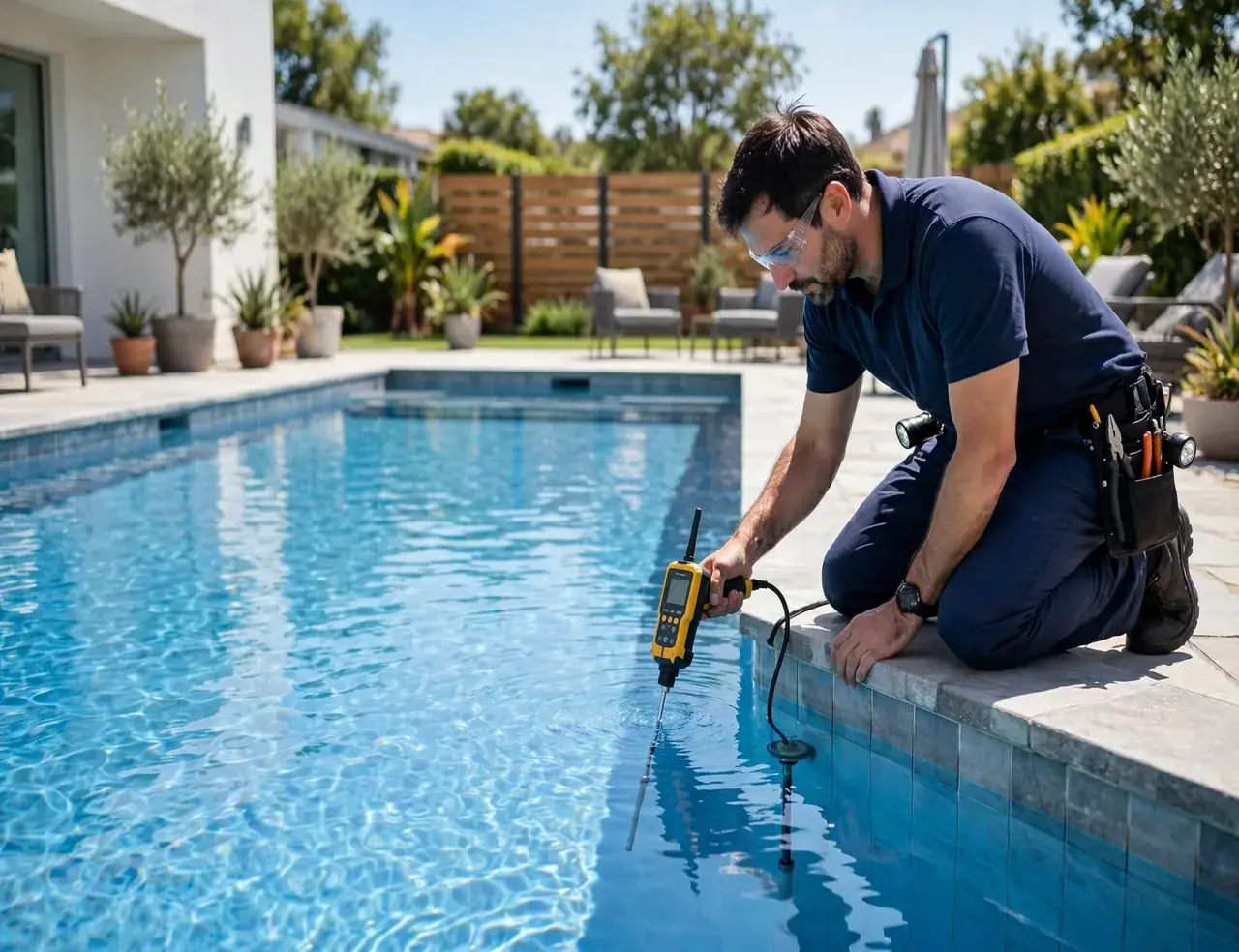
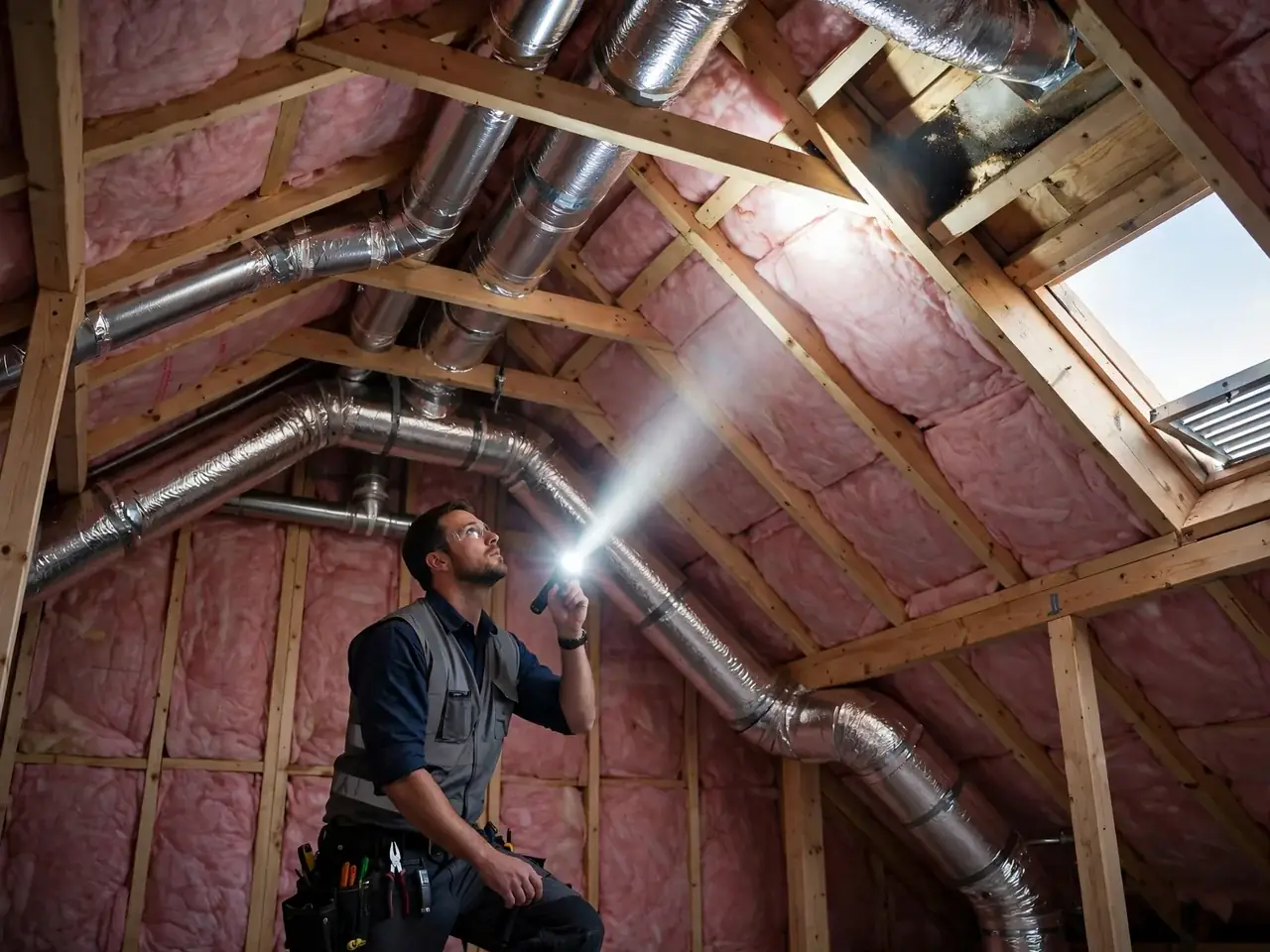
Professionals confirm it without opening the wall on a hunch. Pressure testing shows whether the branch holds pressure or bleeds it away. Acoustic sensors listen for the hiss of escaping water, and thermal imaging reveals the cool or warm trail of moisture spreading through the wall. A moisture meter maps how far it has traveled. ProLine Leak Fix Pros uses these tools across Lynnwood so the wall only opens when the leak location is proven, not guessed.
The wall behind a shower is one of the most expensive places in a home to guess wrong, because tile, backer board, and framing all suffer when water escapes there. That is why detection comes before demolition. A moisture reading through the grout lines and a thermal scan of the wall take minutes and either clear the wall or mark the wet zone precisely. Nobody should be cutting tile on suspicion alone.
The Smart Order of Fixes
Work cheap to expensive, and test after each step. Clean or replace the showerhead first. If flow is still weak, have the cartridge inspected and replaced if it is scaled or worn. Confirm the shutoff valves for the shower and the water heater are fully open, since partly closed valves are a quiet and common cause after any service visit.
If those steps fail, stop swapping parts. A shower that stays weak after a clean head and a healthy valve is asking for measurement, not more parts. Pressure readings at the house and a meter test will divide the remaining causes into restriction or loss, and each of those has a clear next step. Guessing beyond this point usually costs more than testing.
Keep notes as you go through the fix order. Write down what the flow felt like before and after each step, and whether hot, cold, or both changed. If you end up calling a professional, that short log saves real time: it rules out the parts you already proved good and points the visit straight at the deeper causes. The best homeowner troubleshooting is not doing the repair, it is shrinking the mystery.
Conclusion: Weak Showers Have Short Cause Lists
A shower losing pressure is rarely a mystery for long. Sediment in the head, a worn cartridge, a partly closed valve, or a system wide restriction explain most cases, and the simple bucket test at the shower arm separates local problems from house problems in two minutes.
If the wall near your shower smells musty, the meter moves with everything off, or the pressure keeps fading after basic fixes, call ProLine Leak Fix Pros at (425) 380-0028. We will find out where the pressure is going, with detection that leaves your walls intact.
One last thought: do not let a weak shower linger for months while you adapt to it. If the cause is a leak behind the wall, the adaptation period is when the real damage happens, quietly, in framing and subfloor. Two weeks of a fading shower deserves the bucket test. Two months deserves a professional set of eyes, or at least a meter test, to rule out the one cause that cannot wait.