In This Article
Slab leak symptoms are easy to miss because the leak hides under your concrete foundation, out of sight. You will rarely see water pouring anywhere. Instead, you get indirect clues: a bill that keeps climbing, a warm patch on the tile, a faint sound of running water when the house is quiet. Learning these slab leak symptoms now can save you from serious foundation damage later.
Many homes in Lynnwood and across Snohomish County sit on slab foundations with copper or PEX water lines running beneath the concrete. When one of those buried lines develops a pinhole or crack, water escapes into the soil below your home for weeks or months before anyone notices. This 12-sign checklist walks you through every common warning sign, grouped by where you will notice it, so you can act fast and call for help at the right time.
Why Catching Slab Leak Symptoms Early Matters
A slab leak does not fix itself, and it does not stay small. Pressurized water keeps flowing through the damaged pipe around the clock, eroding the soil under your slab. Over time, that erosion creates voids beneath the concrete, and unsupported concrete cracks and settles. What starts as a tiny pinhole can end with cracked flooring, shifted walls, and a repair that costs far more in both money and disruption.
Early slab leak symptoms are your only warning system. The sooner you recognize them, the smaller the repair area, the less flooring to replace, and the lower the overall cost factors. A leak caught in its first weeks might need one small, precise opening in the slab. The same leak ignored for a year can undermine a whole section of foundation. That is why this checklist exists: to turn vague unease into clear, checkable signs.
Water Bill and Meter Clues (Signs 1-2)
Your water bill and water meter are often the first places slab leak symptoms show up, because they measure water you never actually used.
Sign 1: A Sudden, Unexplained Water Bill Spike
Compare your current bill to the same month last year. If usage has jumped with no change in your household habits, no new occupants, no new irrigation, and no filled pool, a hidden leak is a strong suspect. Even a small under-slab leak runs 24 hours a day, and that constant flow adds up to a surprising volume over a billing cycle.
Sign 2: The Water Meter Moves With Everything Off
This is the classic homeowner test. Turn off every faucet, appliance, and irrigation valve, then watch your water meter for 15 to 30 minutes. If the dial or digital readout keeps moving, water is leaving your plumbing somewhere you cannot see. Under-slab leaks are one of the most common reasons for a moving meter in a quiet house.
Floor and Wall Warning Signs (Signs 3-7)
Your floors sit directly on the slab, so they often show slab leak symptoms before anything else does.
Sign 3: Warm or Hot Spots on Hard Floors
A patch of tile, vinyl, or concrete that feels noticeably warmer than the surrounding floor is a hallmark of a hot water line leaking under the slab. The escaping hot water heats the concrete above it, creating a warm zone you can feel with bare feet. Cold water leaks do not create warm spots, but hot line leaks almost always do.
Sign 4: Damp Spots, Stains, or Dark Patches on Flooring
Moisture wicking up through the slab can darken carpet, stain grout, or leave damp patches on hard flooring that never fully dry. If the same spot keeps feeling damp no matter how often you wipe it, water is likely pushing up from below.
Sign 5: Warped Wood, Buckling Laminate, or Lifting Vinyl
Wood and laminate flooring react badly to moisture from below. Boards cup, edges lift, planks buckle, and vinyl tiles loosen or curl. When warping appears in one area rather than across the whole room, suspect a localized moisture source under the slab.
Sign 6: Cracked Tile or Crumbling Grout Lines
Shifting or heaving concrete stresses whatever sits on top of it. Tiles crack along stress lines, grout crumbles or powders, and cracks may follow a rough path across the floor. New cracks in a previously sound tile floor deserve a close look underneath.
Sign 7: Moisture Along Baseboards or Lower Walls
Water traveling under the slab can migrate outward and upward, showing as peeling paint, swollen baseboards, or damp drywall near the floor. Check baseboards in rooms above the suspected area by pressing gently: soft or swollen trim means moisture has reached it.
Sounds, Smells, and Pressure Changes (Signs 8-10)
Some slab leak symptoms reach you through your ears and nose rather than your eyes.
Sign 8: The Sound of Running Water When Nothing Is On
Late at night, when the house is quiet, press your ear to the floor in a few rooms. A faint hiss, whoosh, or trickle with all fixtures off is one of the most telling slab leak symptoms. The sound is pressurized water escaping through the damaged pipe under the concrete.
Sign 9: A Noticeable Drop in Water Pressure
If showers feel weaker and faucets fill the sink more slowly than they used to, and the change affects the whole house rather than one fixture, water may be escaping from a supply line before it reaches your taps. Pressure loss plus any other sign on this list is a strong combination.
Sign 10: Musty Odors or Mold Growth Near the Floor
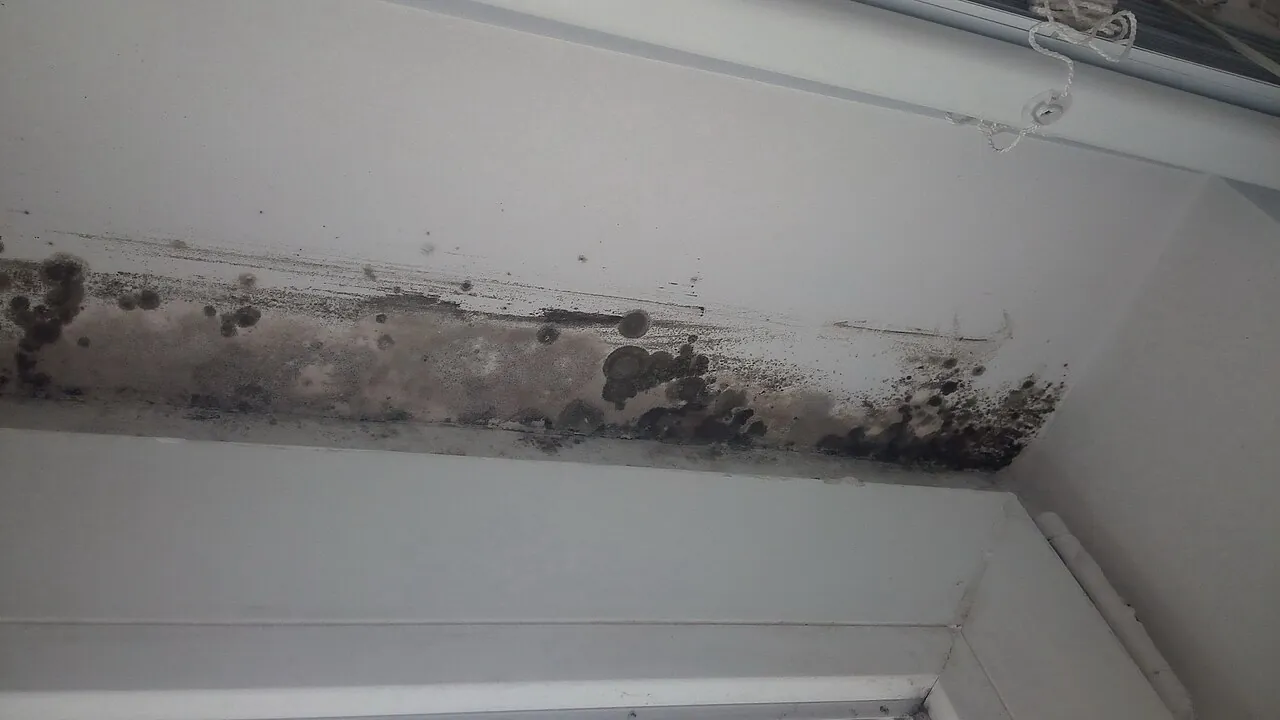
Constant moisture under flooring creates ideal conditions for mold and mildew. A musty smell that will not go away, especially near baseboards or in rooms with hard flooring over the slab, can point to water trapped beneath. Mold remediation adds to the cost factors of an ignored leak, so this sign is worth acting on quickly.
Foundation and Outdoor Clues (Signs 11-12)
The last two slab leak symptoms show up in the structure itself and the ground around your home.
Sign 11: New Cracks in Walls or Foundation
As soil erodes under the slab, concrete settles unevenly. Watch for stair-step cracks in exterior brick or block, diagonal cracks above door frames, doors that suddenly stick, or gaps opening between walls and ceilings. These are structural slab leak symptoms that mean the ground under your home is already shifting.
Sign 12: Soggy, Warm, or Sinking Spots Outside Near the Foundation
Walk the perimeter of your home. Areas of soil that stay soggy without rain, patches of grass that grow faster and greener than the rest, or ground that feels warm to the touch near the foundation can all trace back to water escaping under the slab and migrating outward.
A single sign deserves attention. Two or more signs from this checklist together mean you should stop watching and start diagnosing: professional detection is cheaper than foundation repair.
How Professionals Confirm Slab Leak Symptoms
Your checklist tells you something is wrong. Professional slab leak detection in Lynnwood tells you exactly what and where. The process is methodical and non-invasive:
- Meter and pressure testing confirms a leak exists and identifies whether the hot line, cold line, or a specific branch is losing pressure.
- Acoustic listening uses sensitive ground microphones to hear the leak's exact position through the concrete. Our acoustic leak detection service pinpoints leaks without any digging.
- Thermal imaging scans floors for the heat patterns a hot water leak creates. See how thermal imaging leak detection maps warm zones in minutes.
- Tracer gas finds nearly silent leaks by tracking a safe gas mix that escapes at the exact leak point.
Homeowners in nearby neighborhoods can get the same precise diagnosis: we provide leak detection for Meadowdale and surrounding Snohomish County communities. The result is a marked leak location, so any repair opens the slab in one small, exact spot instead of several exploratory holes.
Slab Leak Symptoms at a Glance
Use this quick-reference table to match what you are seeing with what it likely means and the simple check to confirm it:
| Symptom | What It Suggests | Quick Check You Can Do |
|---|---|---|
| Rising water bill | Continuous hidden flow | Compare bills to the same month last year |
| Meter moves when off | Active leak in the system | Shut everything off, watch the meter 30 minutes |
| Warm floor spots | Hot water line leak under slab | Walk barefoot, note warm zones vs cool zones |
| Damp or stained flooring | Moisture wicking through slab | Check if the same spot stays damp for days |
| Warped or buckling floors | Localized moisture under flooring | Look for warping in one area, not the whole room |
| Running-water sounds | Pressurized leak under concrete | Listen at night with everything off |
| Low water pressure | Supply line losing water | Check whether all fixtures are affected |
| Musty odor or mold | Trapped moisture feeding growth | Sniff near baseboards and floor edges |
| Wall or foundation cracks | Soil erosion under the slab | Photograph cracks and watch for growth |
| Soggy soil near foundation | Water migrating outward | Walk the perimeter after dry weather |
What to Do When You Spot These Signs
Slab leak symptoms are your early warning system, and this checklist is how you read it. One sign alone is worth a closer look. Two or more together mean a hidden leak is likely already eroding the soil under your foundation, and every week of waiting lets the damage spread further.
The right next step is professional detection before any repair talk begins. Knowing the exact line and the exact spot turns a frightening problem into a small, planned fix: one precise opening, one repair, and flooring restored in a defined area. If your checklist has two or more boxes ticked, call ProLine Leak Fix Pros at (425) 380-0028. Call for availability and get a pinpoint diagnosis with no exploratory demolition and no guesswork.