In This Article
Water damage is one of the most expensive problems a homeowner can face, and most of it starts with a leak nobody noticed in time. Smart water leak detectors change that equation. These small, affordable devices sit in leak-prone spots around your home and send an alert to your phone the moment they sense water, giving you a chance to act before a drip becomes a disaster.
This guide explains how smart leak detectors work, the different types available, where to place them, what features matter, and their honest limitations. They are a great first line of defense, but they do not replace professional leak detection when a hidden leak is already underway.
What Are Smart Water Leak Detectors?
Smart water leak detectors are compact electronic sensors that monitor for the presence of water where it should not be. When water touches the sensor's probes, the device triggers a loud local alarm and sends a notification to your smartphone through Wi-Fi or a smart home hub. More advanced systems can even shut off your home's main water supply automatically.
They are fundamentally different from the professional equipment we use, like acoustic sensors and thermal imaging cameras, which locate leaks hidden inside walls and underground. Smart detectors are sentries: they watch specific spots and raise the alarm when water appears.
How Smart Water Leak Detectors Work
Most point detectors use simple conductivity. Two metal probes on the bottom of the device sit just above the floor. Dry air does not conduct electricity, so the circuit stays open. When water bridges the probes, the circuit closes and the alarm triggers. It is the same basic principle as a smoke detector, but for water.
Flow-based whole-home systems work differently. Installed on your main water line, they monitor water flow patterns with an ultrasonic or turbine sensor. They learn your household's normal usage, then flag continuous flow that suggests a leak, like water running at 3 AM when nobody is awake. Some models can close an integrated shutoff valve automatically.
Types of Smart Leak Detectors Compared
| Type | How It Detects | Strengths | Limitations |
|---|---|---|---|
| Point sensors | Probes detect standing water at one spot | Affordable, easy to place, battery lasts years | Only protect the exact spot; miss leaks elsewhere |
| Cable sensors | Water-sensing cable covers a long area | Protect entire perimeters, like around a water heater pan or sump | Cable must lie flat; harder to reposition |
| Flow monitors | Analyze whole-home water flow patterns | Catch hidden leaks anywhere, including underground | Higher cost; requires installation on main line |
| Shutoff systems | Flow monitor plus automatic valve | Stop catastrophic leaks even when you are away | Most expensive; professional installation recommended |
For most homeowners, a combination works best: affordable point sensors in high-risk spots, plus a flow monitor if you travel often or own a vacation property.
Best Places to Install Leak Detectors
Place point sensors anywhere water collects or appliances can fail:
- Under sinks: Kitchen and bathroom supply lines and P-traps are common drip sources.
- Behind toilets: Supply line and fill valve failures flood bathrooms fast.
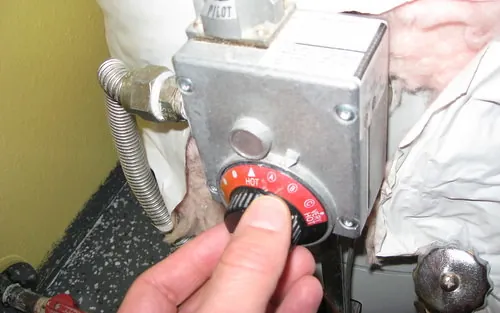
- Water heater pan: Tank failures release dozens of gallons. Read what to do when your water heater leaks.
- Washing machine: Behind or beside the unit, near supply hoses.
- Dishwasher: Under or beside the unit where slow leaks hide.
- Refrigerator water line: Ice maker lines are notorious slow leakers.
- Sump pump basin: Alerts you if the pump fails during heavy rain.
- Basement or crawl space low spots: Early warning for groundwater intrusion.
The most valuable sensor is the one guarding the appliance you never think about. Water heaters, washing machines, and ice maker lines cause more surprise floods than any other household sources.
Key Features to Look For
- Phone alerts plus local alarm: A loud siren helps when you are home; push notifications help when you are not.
- Temperature and humidity sensing: Bonus sensors warn of freezing pipes or rising humidity that signals hidden moisture.
- Long battery life: Look for multi-year battery life so sensors keep working forgotten in dark corners.
- Hub vs Wi-Fi direct: Hub-based systems often have better range and battery life; Wi-Fi models are simpler to set up.
- Integration: Compatibility with your existing smart home platform lets you build automations, like flashing lights on alarm.
- Probe or cable extension: Lets you monitor tight spaces the main unit cannot fit into.
What Smart Detectors Cannot Do
Honesty matters here. Smart detectors are excellent early-warning tools, but they have real limits:
- They cannot find existing hidden leaks. A sensor under your sink will not alert you to a slab leak under your foundation or a pinhole leak inside a wall three rooms away.
- They only watch where you put them. A leak six feet from the nearest sensor may run for months.
- They do not diagnose. An alert tells you water is present, not where it came from or how to fix it.
- They need power and connectivity. Dead batteries or Wi-Fi outages silence them exactly when storms hit.
If you already suspect a hidden leak, from a rising water bill, musty smells, or damp spots, skip the gadgets and call for professional detection. Our guide to what to do when you suspect a leak walks you through the steps.
Setup Tips for Lynnwood Homes
- Protect against power outages: Pacific Northwest windstorms knock out power and Wi-Fi. Choose sensors with local alarms that work without connectivity, and consider battery backup for your router.
- Watch freeze-prone areas: Use the temperature alert feature on sensors in crawl spaces, garages, and exterior walls during cold snaps. See our winter pipe protection guide.
- Test twice a year: Touch a wet finger across the probes to confirm each sensor still alarms and notifies your phone.
- Label each sensor in the app by location, so an alert tells you exactly where to look.
- Replace batteries on schedule, even if the app says they are fine. A dead sensor is worse than no sensor because it creates false confidence.
The Bottom Line on Smart Water Leak Detectors
Smart water leak detectors are one of the best small investments a homeowner can make. For a modest cost, they provide round-the-clock monitoring of your most leak-prone appliances and can alert you to flooding while you are at work or on vacation. Place them thoughtfully, test them regularly, and consider a flow-based monitor with automatic shutoff for whole-home protection.
But remember their role: they are an early-warning system, not a leak-finding service. When you need to know exactly where hidden water is coming from, professional acoustic and thermal detection is the answer. Call ProLine Leak Fix Pros at (425) 380-0028 for expert leak detection in Lynnwood, WA.