In This Article
Start With Wind, Weather, and a Simple Map
Before you suspect the worst, map the smell. Walk the yard at different times over a few days and note where the odor is strongest and which way the breeze is moving. Smell drifts downwind, so the source sits upwind of the strongest spot. A smell that is always in one corner, whatever the wind, points to something in the ground there. A smell that moves around the house may be coming from the roof vent and settling, which is a different and simpler story.
Weather matters too. Odor that appears after rain can mean a cracked line taking on groundwater and pushing sewer air out through the soil. Odor that is worst on hot, still days can come from a vent or a septic vent doing its normal job in air that is not dispersing it. In Lynnwood, where yards stay damp for months, a leaking line also tends to announce itself in the ground itself, which the next sections cover.
Where Outdoor Sewage Smell Usually Starts
The most common sources we confirm are:
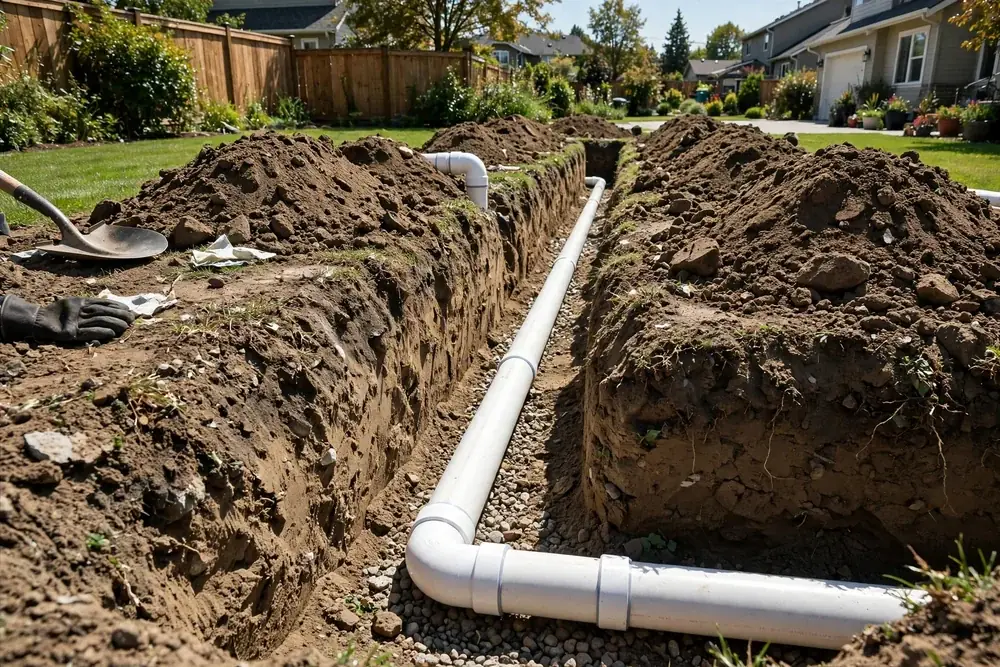
- A cracked or broken sewer line: wastewater escapes into the soil, and odor rises through the ground above the break
- A failed pipe joint: roots or shifting soil open a joint, letting liquid and gas out at one focused point
- A damaged or uncapped cleanout: the access port for your line can crack or lose its cap, venting odor at ground level
- The roof vent, oddly enough: vent air can drop and drift along the house on still days, making the yard smell like the problem is outside
- Septic system trouble: a full tank, a failing drain field, or a damaged line to the tank releases odor near the tank or field
- A dry or damaged vent inside the yard run: some properties have yard vents or older plumbing features that can fail open to the air
The dividing question is whether the smell pairs with ground clues. Odor alone, with dry firm soil, often traces to venting. Odor plus wet, soft, or extra green ground is a line leak until proven otherwise.
Checks You Can Run in the Yard
A half hour of checking can save a lot of guessing:
- Find and inspect the cleanout. Look for a capped pipe near the foundation or along the line path. A cracked cap or a strong smell right at the cleanout is a direct clue.
- Walk the line path. The line usually runs from the house to the street or septic tank in a fairly straight path. Walk it slowly and use your nose at ground level.
- Press the soil. Compare firmness along the path. A section that stays soft or spongy in dry weather suggests water escaping below.
- Run water and watch. Have someone run several fixtures at once while you stand at the suspect spot. Odor that strengthens as the house drains points at the line in use.
- Check after rain separately. If smell only follows storms, groundwater entering a cracked line may be the trigger rather than wastewater leaving it.
Write down what you find and where. A marked spot on a simple sketch of the yard is genuinely useful information for the inspection that follows.
Soggy Ground and Lush Grass: The Leak Signature
A leaking sewer line feeds and waters the soil above it, and lawns respond. Look for a strip or patch of grass that grows faster and greener than everything around it, especially along the line path. In dry weeks it stands out sharply. The soil above a leak can also hold a shallow depression as washed out soil settles, and in worse cases you may find an actual wet spot that never dries, with odor to match.
These signs matter because they separate a venting nuisance from an escaping wastewater problem. A line that is leaking into the yard is also a line that can take in soil and roots, lose its shape, and eventually back up into the house. The yard signs are the early, surface version of that story, and they give a technician a starting point measured in feet rather than in guesses.
How Professionals Locate the Source Without Digging Blind
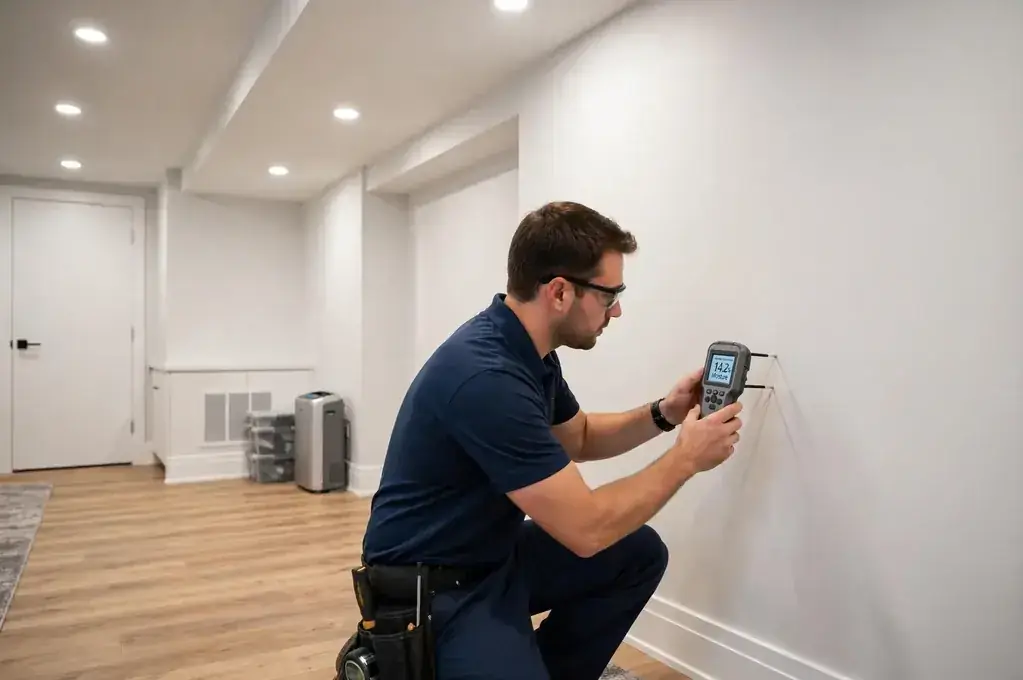
Confirming an outdoor sewer leak uses the same toolkit as indoor detection, aimed at the yard. A sewer camera inspection shows cracks, open joints, and root entry inside the line, with the distance measured so the spot can be marked on the lawn above. Hydrostatic testing proves whether the line holds water or loses it.
When the pipe run itself is in question, acoustic listening and tracer gas can pinpoint where water or gas escapes under soil, the same methods ProLine Leak Fix Pros uses for buried supply lines across Snohomish County. Smoke testing helps in the opposite direction, showing where sewer air escapes. Together these tests put a flag in the yard at the actual failure point, so if digging is needed, it happens once, in the right place.
A note about septic homes: the same smell rules apply, but the map changes. Instead of a street, the line runs to a tank, and the drain field sits beyond it. Odor concentrated over the tank can mean it is full or a lid or riser is not sealing. Odor over the field, especially with soggy ground there, can mean the field is saturated and struggling. Both are worth prompt attention, and both are easy to confuse with a line leak from the house. The checks in this guide still help, because they separate smell that follows your water use from smell that follows the tank and field. Whatever system you have, avoid driving vehicles or placing heavy structures over the line path and field, since soil compaction and weight can damage shallow pipes and make a small leak bigger. The ground above your system is part of the system, and treating it gently keeps small problems small.
Conclusion: Follow the Smell, Then Confirm It in the Pipe
Sewage smell in the yard starts at the line, a joint, a cleanout, the vent, or the septic side, and the pattern of wind, rain, and ground conditions usually tells you which. Map the smell, walk the line path, and take wet or extra green ground seriously. If the clues point underground, a camera inspection will show the failure and mark its spot. Odor is information. Used well, it leads straight to the fix.