In This Article
After every rain, the same puddles form in the same places: a shallow lake along the back wall, a moat beside the garage, a dark wet band that hugs the foundation for days. It is easy to treat pooling water as a cosmetic yard problem. It is not. Water that sits against a foundation is water with time and pressure on its side, and it spends both working its way toward the inside of your home.
The process is slow, which is exactly why it gets ignored until a basement turns damp or a crawl space stays wet. This guide explains how pooling water does its quiet damage, how to read your yard after a storm, the grading and drainage fixes that actually solve it, and how professionals check whether moisture has already crossed the wall.
Why Pooling Water Is a Slow but Serious Problem
Soil against a foundation acts like a sponge and a funnel at once. A puddle held against the wall keeps that soil saturated for days after each storm, and saturated soil presses water against concrete, joints, and every small crack or penetration. Concrete is porous, so moisture also wicks inward slowly even without a visible crack, showing up later as damp walls, mineral crust, or musty air below grade.
The cycle matters more than any single storm. In Lynnwood, the wet season delivers rain week after week, so soil by the foundation may never fully dry from October to spring. Repeated saturation also softens the soil that supports footings and slabs at the edges, and it feeds the exact conditions that let water enter at the cove joint where floor meets wall. None of this happens in one dramatic event. It accumulates, season by season, which is why early correction is so effective.
Reading Your Yard After a Storm
The best inspection happens while the puddles are still there. Walk the house an hour after rain ends and note where water stands, how deep it looks, and how close it sits to the wall. Photograph each spot from the same angle you can repeat later. Then return the next day. Puddles that vanish in hours are a minor grading note. Water still standing against the wall a day later is the problem to solve.

Look for the reasons water collects where it does. Soil settles over the years, especially where trenches were dug for utilities, creating shallow bowls along the wall. Downspouts that end at the foundation refill those bowls in every storm. Patios, walkways, and garden edging can dam water against the house as well. Inside, match the yard map to any damp spots in the basement or crawl space. When an inside damp patch sits directly behind an outside puddle, you have found a cause and its effect in one walk.
Plants tell the pooling story between storms. Grass that stays lush and dark in a band along the wall while the rest of the lawn fades is drinking from soil that never dries. Moss and algae on the lower wall or on the soil surface mark the same constant damp. On the other hand, a crisp line where vegetation changes a few feet out can trace the edge of the saturated zone. Read these living markers along with the puddles, because they show where water lingers, not just where it lands during one storm.
Grading and Drainage Fixes That Work
Effective fixes move water away at the surface first:
- Build the soil up so the ground slopes away from the foundation for the first several feet.
- Extend every downspout so roof water lands well past the backfilled soil beside the wall.
- Regrade or lift settled walkways and patios that tilt water back toward the house.
- Move dense garden beds and high mulch lines a short distance off the wall where they trap water.
- Where surface slope is impossible, a shallow swale or a drain line can carry water to a safe outlet.
- Keep the finished soil level below siding and below the top of the foundation wall.
The principle is simple: give water an easier path away from the house than the path through your wall. Small slope changes near the foundation do more good than any coating applied to the wall itself, because they remove the pressure instead of resisting it.
How Professionals Check for Moisture Already Inside
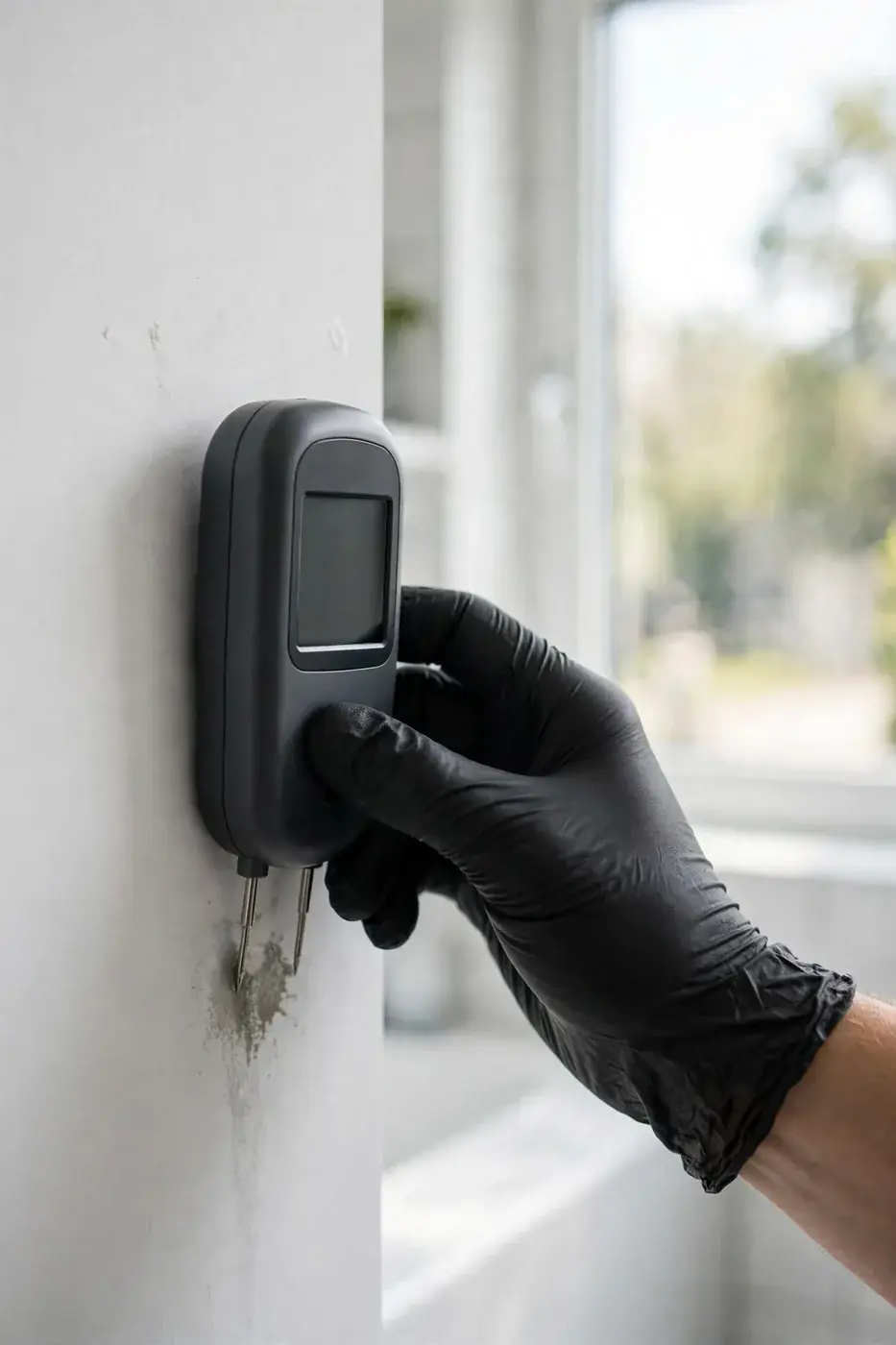
Outdoor pooling and indoor moisture do not always match neatly, so a professional check maps both sides of the wall. Moisture meters read the damp pattern in basement walls, floors, and crawl space framing, showing whether moisture is wicking through, entering at one joint, or not present yet. Thermal imaging can outline cooler, damp areas behind finished walls without opening them.
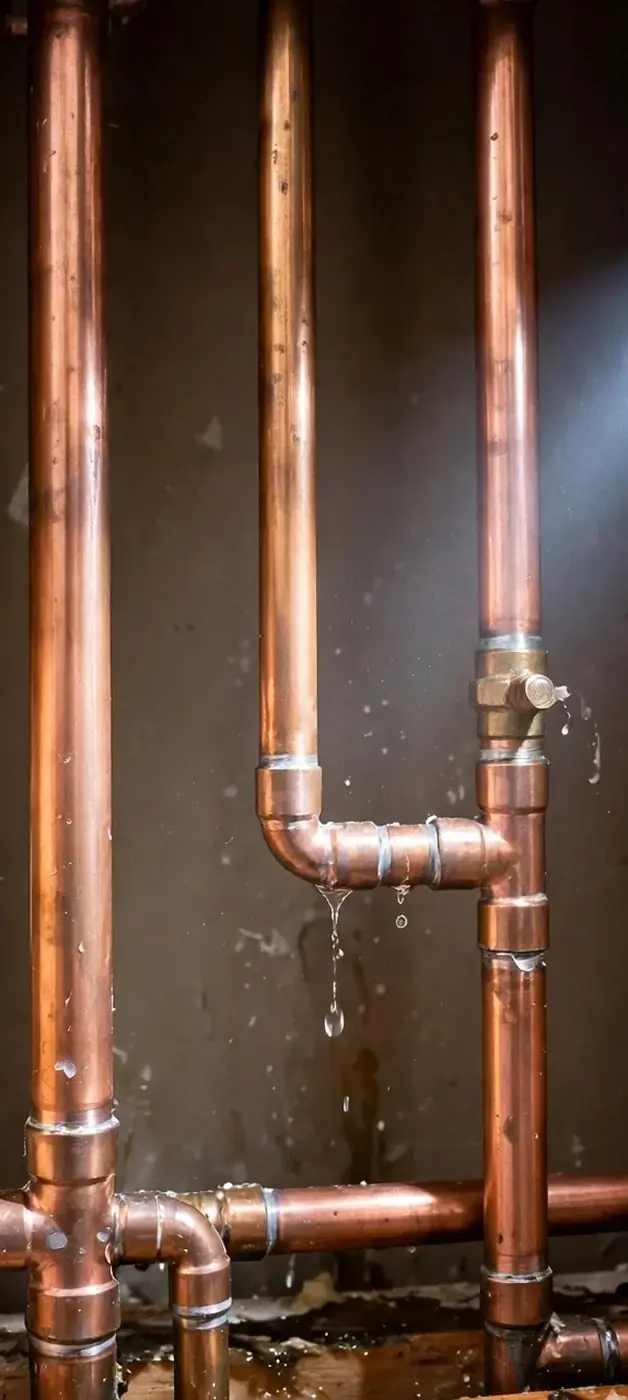
The technician also rules out plumbing, because a slow leak near a foundation wall can look exactly like rain driven moisture from inside. A water meter test with all fixtures off separates the two in minutes. ProLine Leak Fix Pros combines the yard reading, the moisture map, and the meter test for Snohomish County homes, so homeowners know whether grading work alone will solve it or whether a hidden leak is part of the picture.
One caution belongs with every grading project: do not solve pooling by piling soil against siding, vents, or the top of the foundation wall. Raising grade too high holds moisture against wood framing and invites pests into the wall. The target is slope, not height. Soil should fall away from the house while staying below the materials that must stay dry. Where the lot is flat and slope is hard to win, a shallow surface swale a few feet out from the wall often does the job better than a high berm against it.
A Simple Long Term Plan for a Dry Foundation
Once the slope and downspouts are corrected, keep them corrected. Walk the foundation line each fall before the heavy rain, clear leaves from the base of the walls, and confirm every downspout extension is still attached and aimed away. After any landscaping, trenching, or new planting near the house, watch the first storms closely, because fresh work is when new pooling patterns appear.
Inside, add a twice yearly look at the lowest walls and corners. A faint mineral line, a new musty note, or paint that starts to bubble at the base are early messages that water is winning somewhere outside. Acted on early, each of those is a small outdoor fix. Left for a few seasons, they become the damp basement and damaged finishes that homeowners reasonably want to avoid.
Document the before and after with the same puddle test. After the next real storm, walk the same route at the same interval and photograph the same spots. Puddles that once hugged the wall should now sit farther out, shrink faster, or be gone. If one spot refuses to improve, it has its own local cause, such as a hidden low point over a utility trench, and it deserves its own small correction rather than a repeat of the whole project. Evidence, again, beats impression.
Conclusion: Move the Water, Protect the Foundation
Water pooling against a foundation is a slow problem with a straightforward solution: change the surface so water leaves, and verify the inside is still dry. Read your yard after storms, fix slope and downspouts first, and check the wall from inside before assuming the story ends outdoors. If moisture has already crossed the wall, or you suspect a pipe leak is mixed in, call ProLine Leak Fix Pros at (425) 380-0028. We serve Lynnwood around the clock and will map the moisture precisely.