In This Article
A wet patch appears over your water line, the meter is moving, and the first question is not how to fix it. It is who has to. Buried water line leaks sit right on the border between a homeowner system and a city system, and the repair obligation follows that border. Guessing wrong can mean paying for a repair that was never yours, or waiting on a city crew for a leak that is quietly your own problem.
The good news is that the dividing line is usually clear once the leak is precisely located. In most cases the water meter is the boundary: the provider owns the line up to the meter, and the homeowner owns everything from the meter to the house. This guide explains how that rule works in practice, how the meter and shutoff refine it, and the steps that protect you while responsibility is sorted out.
The Basic Rule: Responsibility Follows the Meter
Water service is split into two parts. The public side runs from the main in the street to your meter, and it is installed, owned, and maintained by the water provider. The private side, often called the service line or house line, runs from the meter to your home and belongs to the property owner. A leak on the public side is the provider responsibility. A leak on the private side is the homeowner responsibility.
The meter is the practical landmark because it is where measurement and ownership change hands. Property lines matter in some edge cases, for example where a meter sits well inside a yard or an easement is involved, but for most Lynnwood homes the meter box at the street is the line that decides. This is also why exact leak location matters so much. A break two feet on one side of the meter and a break two feet on the other side have the same symptoms and completely different owners.
How the Meter and Shutoff Refine the Answer
Before anyone digs, two simple checks narrow the territory. With all water in the house off, a moving meter indicator proves water is escaping somewhere on the private side of the meter, since the meter only records water that has passed through it. Next, close the main shutoff where the line enters the house. If the meter keeps moving, the leak is in the buried yard line between meter and house. If it stops, the loss is inside the house plumbing.

A leak at the meter fittings themselves needs a closer look, because the box holds connections from both sides. Corrosion or a drip on the street side union belongs to the provider side of the story, while a weeping joint on the house side union is private. Photograph the fittings and the dial before anything is disturbed. Clear evidence of location and flow, gathered early, makes every later conversation with the provider faster and simpler.
Renters and landlords meet this rule from opposite sides. A tenant who spots the yard signs should report them promptly and in writing, because the service line belongs with the property, and its repair is normally the owner responsibility, not the tenant one. Owners, in turn, should treat a tenant report of a moving meter or a wet line path as time sensitive. Water escaping underground charges the property account and damages the soil daily, whoever first noticed it, so a fast detection visit protects both sides of the lease.
Signs the Leak May Be on the Public Side
Some patterns point away from your property entirely. Water surfacing in the street, at the curb, or in a neighbor yard at the same time suggests a main or a shared public line problem. A sudden pressure drop across several homes on the block, or discolored water at multiple addresses, also fits a public side event rather than one private line.
A leak clearly between the main and your meter, for example bubbling at the curb stop or a flooded meter box with a still meter dial when your house is isolated, belongs in a provider report. Call the water provider, describe the location and what you observed, and let their crew confirm. Public side repairs are their work and their equipment. Your role is a prompt, accurate report, plus keeping people and vehicles clear of any undermined pavement near the leak.
If the Leak Is on Your Side: Orderly Steps
When the evidence places the leak between the meter and the house, a calm sequence protects both the property and the process:
- Confirm the loss with the meter test and note readings with dates and times.
- Have the leak located precisely before any digging, so the repair opens the right spot once.
- Photograph wet areas, the meter, and any surface signs such as bubbling or soft soil.
- Ask your provider whether any notice or permit step applies to work on the service line.
- Keep vehicles off soft or undermined sections above the line until the repair is done.
- After repair, watch the meter for a week to confirm the indicator rests when the house is off.
Precise location does double duty here. It proves the leak is on the private side, ending any doubt about responsibility, and it keeps the excavation small. A located break is a one spot repair. An unlocated one can turn into a trench across the yard.
Shared and unusual setups need extra care. Some properties share a service line with a neighbor, some meters sit inside easements or across a property corner, and some older homes were connected before modern records. In those cases, the meter is still the best starting landmark, but the provider records and the property plat may refine the answer. Do not let an unusual layout delay the practical steps. The meter test and a precise location work the same way, and they produce the facts every party needs.
How Professional Detection Settles Responsibility
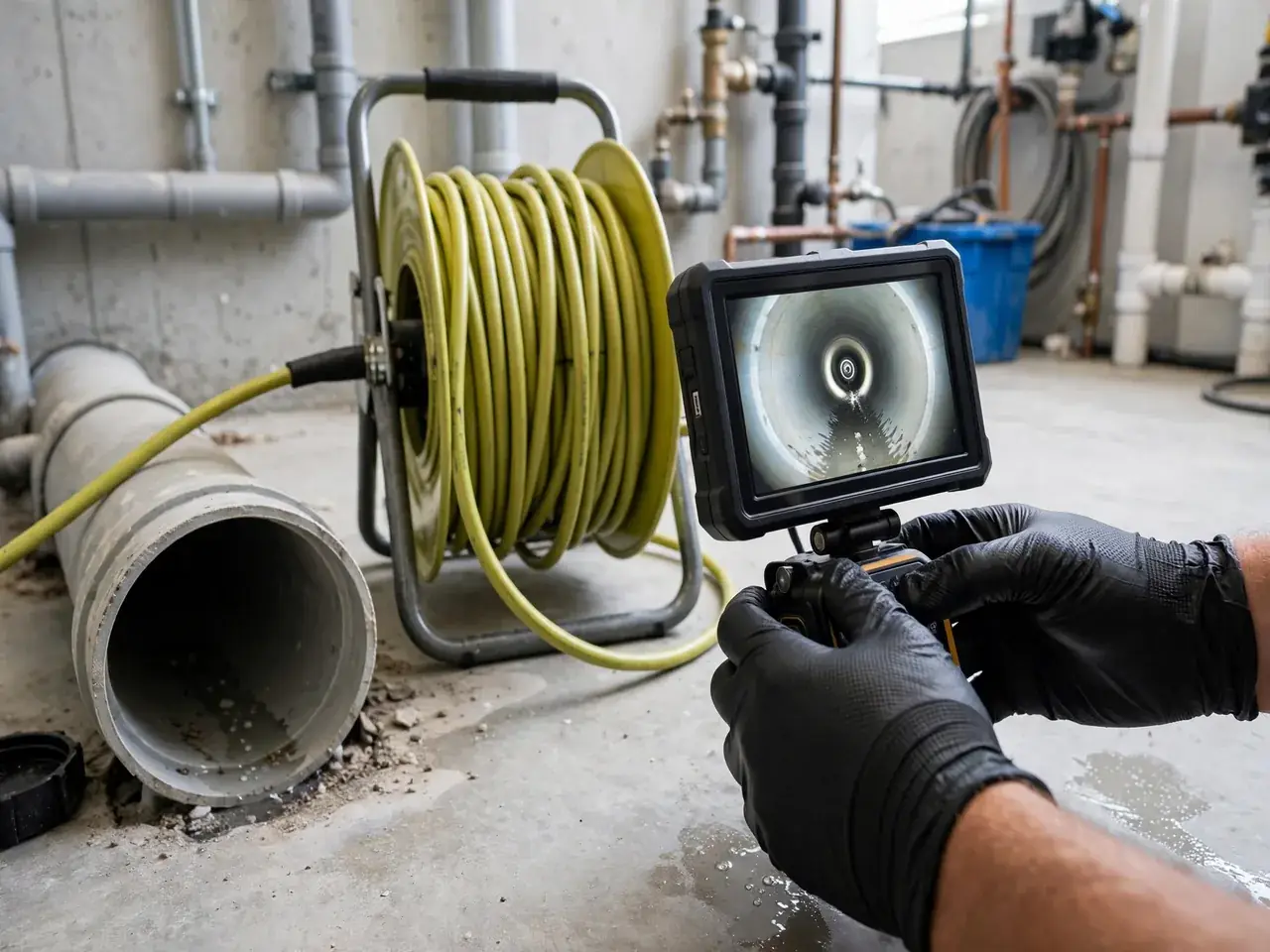
When the location is disputed or unclear, detection provides the deciding evidence. A technician traces the service line route, then uses acoustic listening equipment to follow the sound of escaping water to its peak, marking the break relative to the meter. Tracer gas can confirm a quiet leak, and the meter and shutoff tests are repeated and recorded as part of the visit.
The result is a marked point on the ground and a clear statement of which side of the meter it falls on. ProLine Leak Fix Pros provides exactly that for Lynnwood and Snohomish County homeowners: a pinpoint location you can act on, whether the next call is to your repair contractor or to the water provider to report a public side fault. Knowing the spot turns a stressful argument into a simple fact.
Keep the paperwork together from day one: meter readings with dates, photos of the wet area and the dial, the detection findings with the marked location, and any provider reference numbers from your calls. If there is ever a billing question about the water that escaped, that file is your evidence of when the leak was found and how promptly it was addressed. Providers and insurers both respond better to a dated timeline than to a summary written from memory weeks later.
Conclusion: Locate It First, and Responsibility Follows
Arguments about water line leaks are really arguments about location. The meter divides the public system from your private service line, and a precisely located break tells everyone whose repair it is. Run the meter checks, gather clear photos and readings, and have the leak pinpointed before money is spent or blame is assigned. Call ProLine Leak Fix Pros at (425) 380-0028. We will locate the break with acoustic and tracer gas detection so responsibility, and the repair, are settled on facts.