In This Article
You cross the room in socks and step into cold, wet carpet. Nobody spilled anything. The spot is nowhere near a sink, and it has not rained inside, last you checked. A single wet patch with no story attached is one of the clearest leak clues a home gives, because carpet and padding hide water so well that by the time your foot finds it, the wet area underneath is usually much larger than the spot you feel.
This guide walks the short suspect list for one wet patch, shows how to test each suspect in order, explains why the padding matters, and describes how professionals pinpoint the source when the obvious checks come up empty.
The Short Suspect List for One Wet Patch
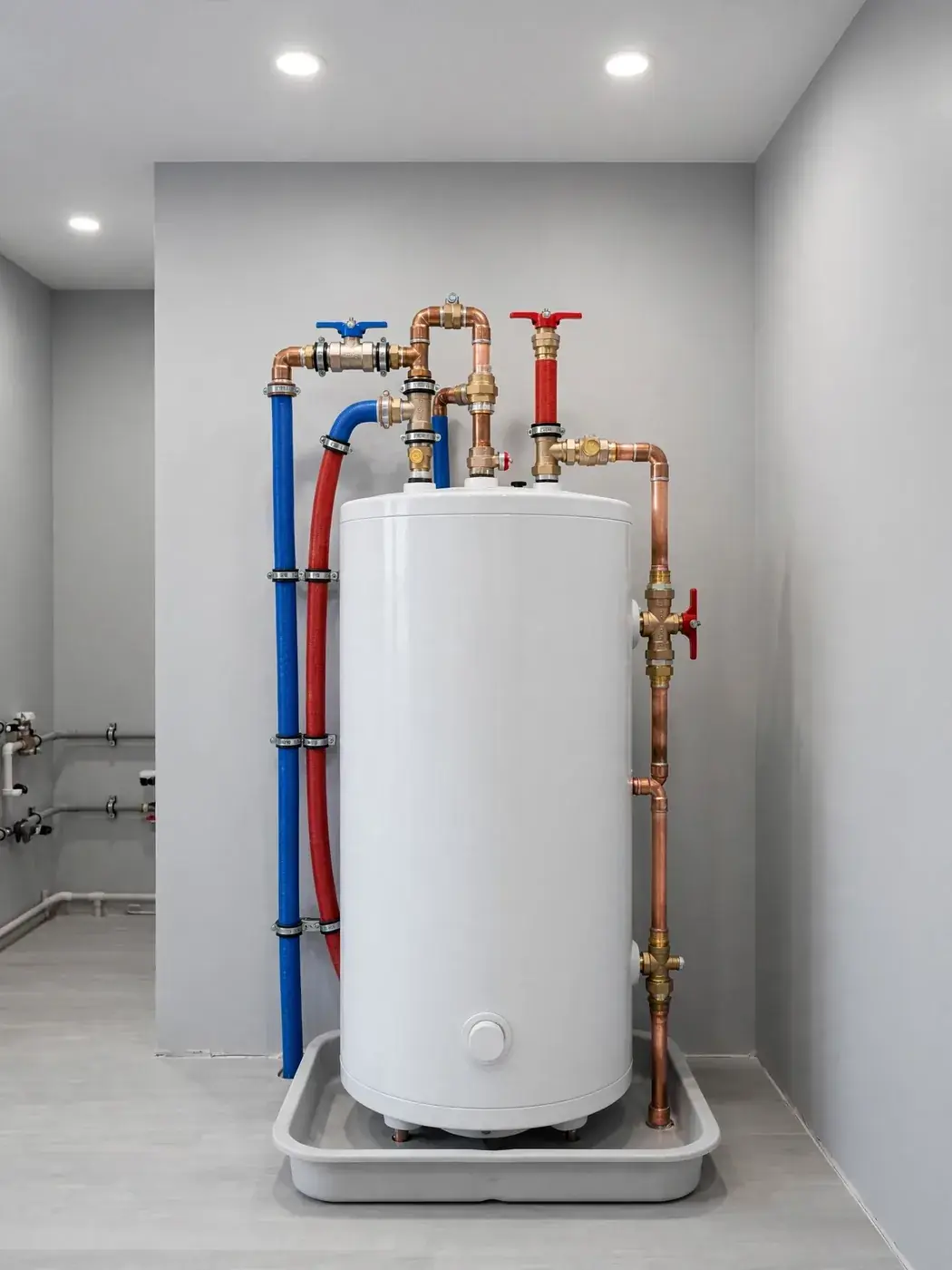
Location writes the suspect list. A wet patch near an exterior wall or sliding door suggests rain intrusion or a hose bib line in that wall. A patch in the middle of a room, away from walls, points downward: a supply line under the floor or, in slab homes, a slab leak rising through the concrete. A patch near a bathroom or laundry wall implicates the plumbing on the other side. A patch by the water heater or furnace closet suggests the heater, its pan, or a condensate drain.
Pets and spills deserve one honest minute before the plumbing theories. A single event dries from the top down and stops growing. A leak fed patch stays wet, returns after drying, or slowly expands. Press a dry paper towel firmly into the pile: if it comes up wet again an hour later in the same place, water is still arriving from somewhere, and the suspect list above applies.
Test the Suspects in This Order
Work from free and fast to specific:

- The re wet test. Blot the spot as dry as you can, lay a fresh paper towel over it, and check in a few hours. Wet again means an active source.
- The timing test. Note whether the spot grows after showers, laundry, dishwashing, or rain. Matching a routine names the fixture family.
- The meter test. With all water off for two hours, check whether your water meter's leak indicator moved. Movement means a pressurized line is leaking somewhere.
- The warmth test. A patch that feels faintly warm can sit over a hot water line leaking under the floor or slab.
- The perimeter check. Feel the carpet along the nearest walls and check the baseboards for swelling or a musty smell at floor level.
These five checks, done in an evening, separate most cases into three buckets: plumbing under pressure, a fixture or drain that leaks in use, or water coming from outside or below. That bucket is exactly what a technician needs to hear, because each one calls for a different detection tool first.
Why the Padding Makes the Problem Bigger Than It Looks
Carpet padding is a sponge by design, and it spreads water sideways far beyond the point where the water arrives. A leak that enters at one small point can soak a wide oval of padding while only a modest patch of carpet pile feels damp on top. The padding also holds water against the subfloor or slab for days, which is why a wet patch can feed a musty smell and damage flooring long after the surface feels better.
This has two practical consequences. First, judge the problem by the padding, not the pile: if you can lift a corner or an edge at a doorway, check how far the damp padding extends. Second, drying the surface is not drying the system. Fans on the carpet help, but a pad that stays wet keeps the subfloor wet too. When the source is fixed, the pad in the soaked zone often needs to come out so the floor below can truly dry and be checked.
Renters and hosts meet a version of this puzzle too: the wet patch in the spare room that appears between guests, or after a quiet week when nobody used that side of the house. The same rules apply, and the timing clue gets even sharper. If the patch appears while the room sits empty, no fixture in that room is responsible, which pushes the suspect list toward lines running under the floor, the water heater closet, or weather arriving at the nearest exterior wall. Photograph the patch the day you find it, blot it dry, and photograph it again in two days. The comparison settles the active source question without any tools at all. And if the home is a rental, tell the owner promptly and in writing: an unexplained wet patch is exactly the kind of small, dated notice that protects both the property and the person who reported it early.
Mistakes That Let a Wet Patch Win
The most common mistake is patience. A wet patch that gets a fan and a shrug often belongs to a slow leak that is quietly enlarging the wet zone every day. The second mistake is shampooing or steam cleaning the spot: it adds water, spreads the moisture, and erases the pattern that shows where the water peaks. The third is cutting a hole in the carpet or pad in the middle of the patch to look underneath. The entry point of the water is rarely at the center of the wet oval, because padding spreads water outward from wherever it arrives.
A better holding pattern is simple: blot, do not soak. Photograph the spot with something for scale, run the five tests, and keep foot traffic off the patch so it does not wick further. If the patch is growing, warm, or back again after drying, stop testing and get detection in. Those three traits almost always mean a line is leaking under the floor.
How Professionals Pinpoint a Leak Under Carpet
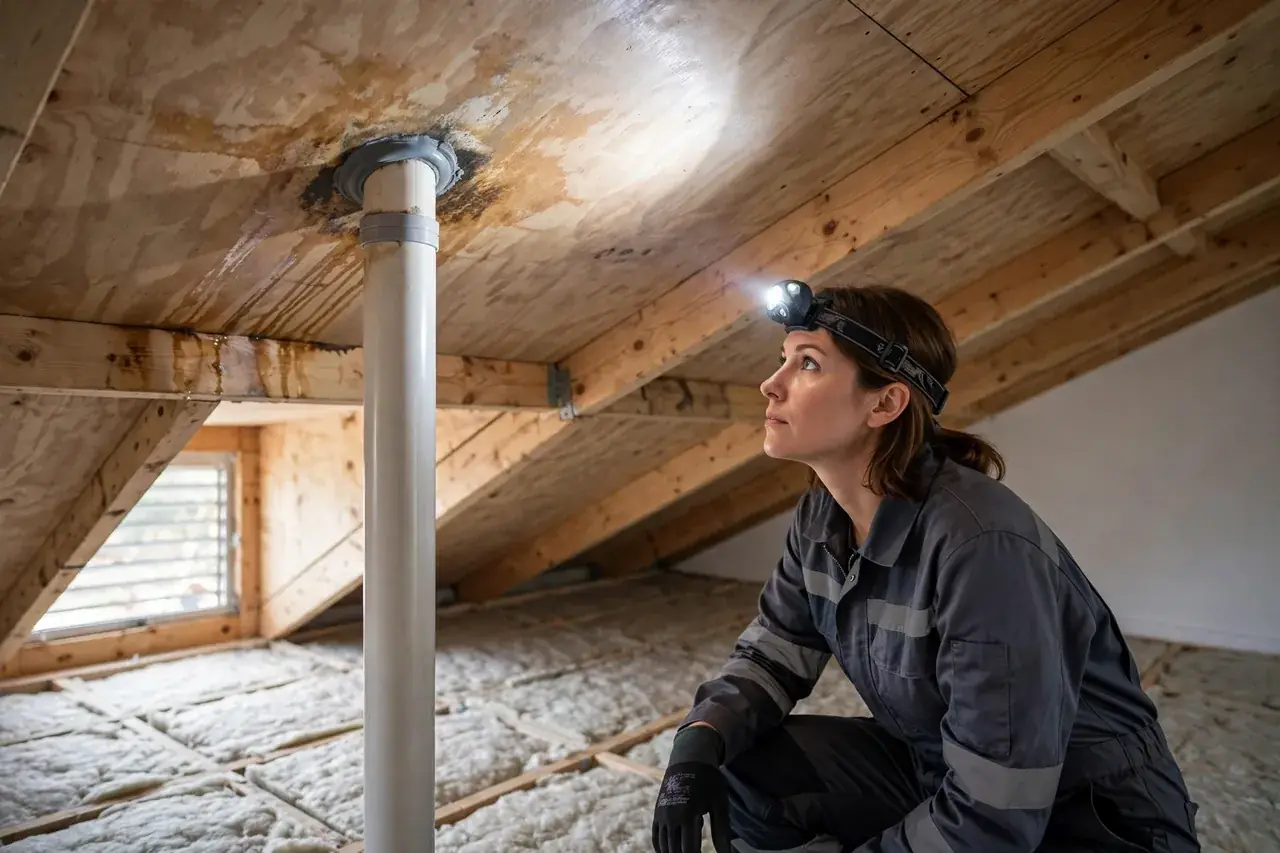
Detection starts by mapping the true wet zone. A moisture meter reads through the carpet across the room, and the readings trace the full oval in the padding, including dry feeling areas that are actually damp below. The peak of that map is the neighborhood of the source. Thermal imaging then scans the floor: a hot water leak under a slab draws a warm trail, while cold water and drain leaks show as cool, evaporating zones. Acoustic listening gear placed on the floor can hear a pressurized leak through carpet, pad, and concrete.
When the readings point to a buried line, tracer gas can confirm the exact escape point before any floor is opened. ProLine Leak Fix Pros runs this sequence on leak detection calls across Snohomish County, so the only opening made is at the confirmed source, and the rest of your carpet and floor stay exactly as they are.
Finally, trust repetition over intensity. A faint patch that returns three times is more damning than one dramatic soaking that dries and never comes back, because return visits mean a supply of water, not an accident.
Conclusion: One Wet Patch Is a Small Map With a Precise Answer
Wet carpet with no spill is never random. Water is arriving from a line, a fixture, the weather, or the ground, and the padding is quietly enlarging the evidence. Run the simple tests, respect what the timing and temperature tell you, and remember that the wet oval is a map whose peak points near the source.
If your wet patch keeps returning, feels warm, or is growing in your Lynnwood home, have it traced with the right instruments. ProLine Leak Fix Pros pinpoints leaks under carpeted floors without tearing the room apart, so the fix lands on the exact spot the first time.