In This Article
Epoxy pipe lining for slab leaks is a repair method that seals a damaged pipe from the inside, without breaking open your concrete slab. Instead of jackhammering through flooring to reach the leak, a special epoxy coating is applied to the inner walls of the existing pipe, creating a new pipe within the old one. For the right situation, it fixes the leak with almost no demolition and no new trenches through your home.
Homeowners in Lynnwood often ask about epoxy pipe lining when they learn their leak sits under the slab and dread the mess of concrete demolition. This guide explains what epoxy lining is, how the process works step by step, when it is a good fit, when it is not, and how it compares to spot repair, rerouting, and repiping, so you can discuss the option from an informed position.
What Epoxy Pipe Lining Is
Epoxy pipe lining, sometimes called cured-in-place pipe lining or pipe coating, is a trenchless repair technique. A liquid epoxy resin is introduced into the existing water line and cured into a hard, smooth inner shell. The result is a continuous lining that seals pinholes, small cracks, and corroded sections along the treated length of pipe.
Think of it like relining a jacket: the old pipe becomes the outer shell, and the new epoxy layer becomes the working surface that carries your water. The lining bonds to the inside of the original pipe and, once cured, resists corrosion and buildup. It is a well-established method in the plumbing industry, used for both supply lines and drain lines, though the techniques and materials differ between the two.
For slab leak situations, the appeal is obvious. The leaking pipe stays buried exactly where it is. No concrete is broken, no flooring is torn up, and no walls are opened to run new pipe. The work happens through small access points at the ends of the pipe run.
How Epoxy Lining Fixes a Slab Leak
The process follows a careful sequence. Each step matters, because the lining is only as good as the preparation beneath it:
Step 1: Locate and Assess the Leak
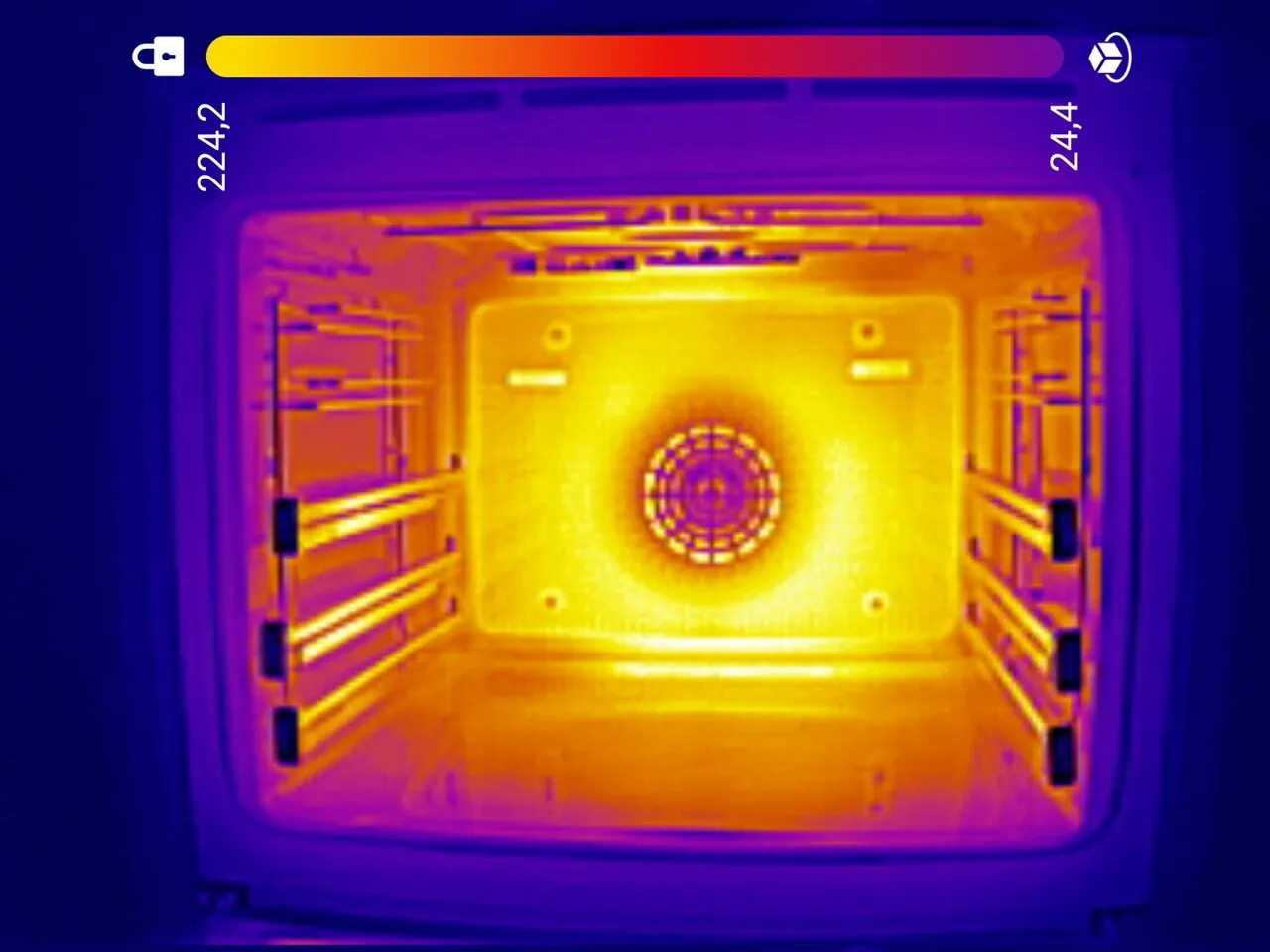
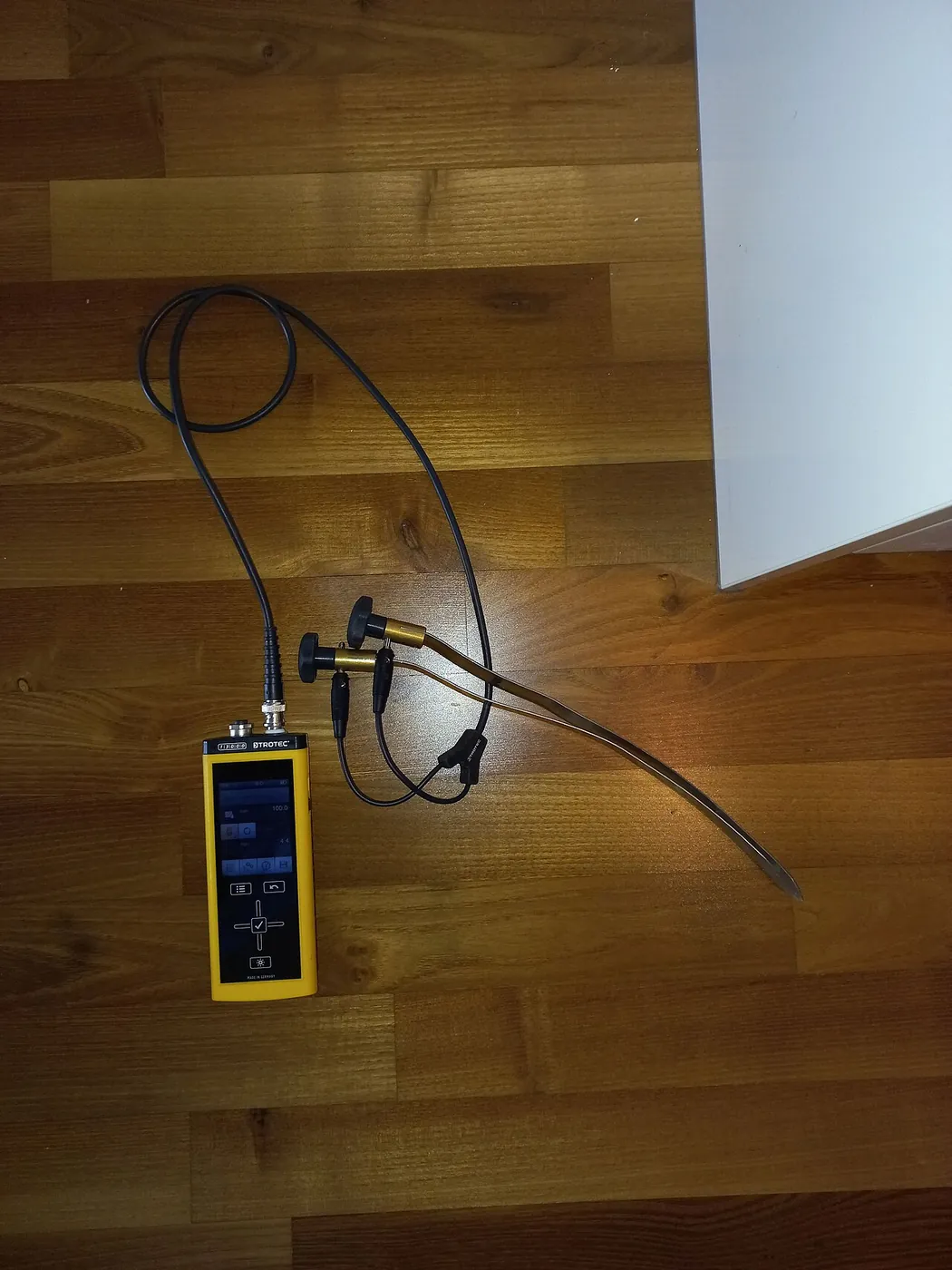
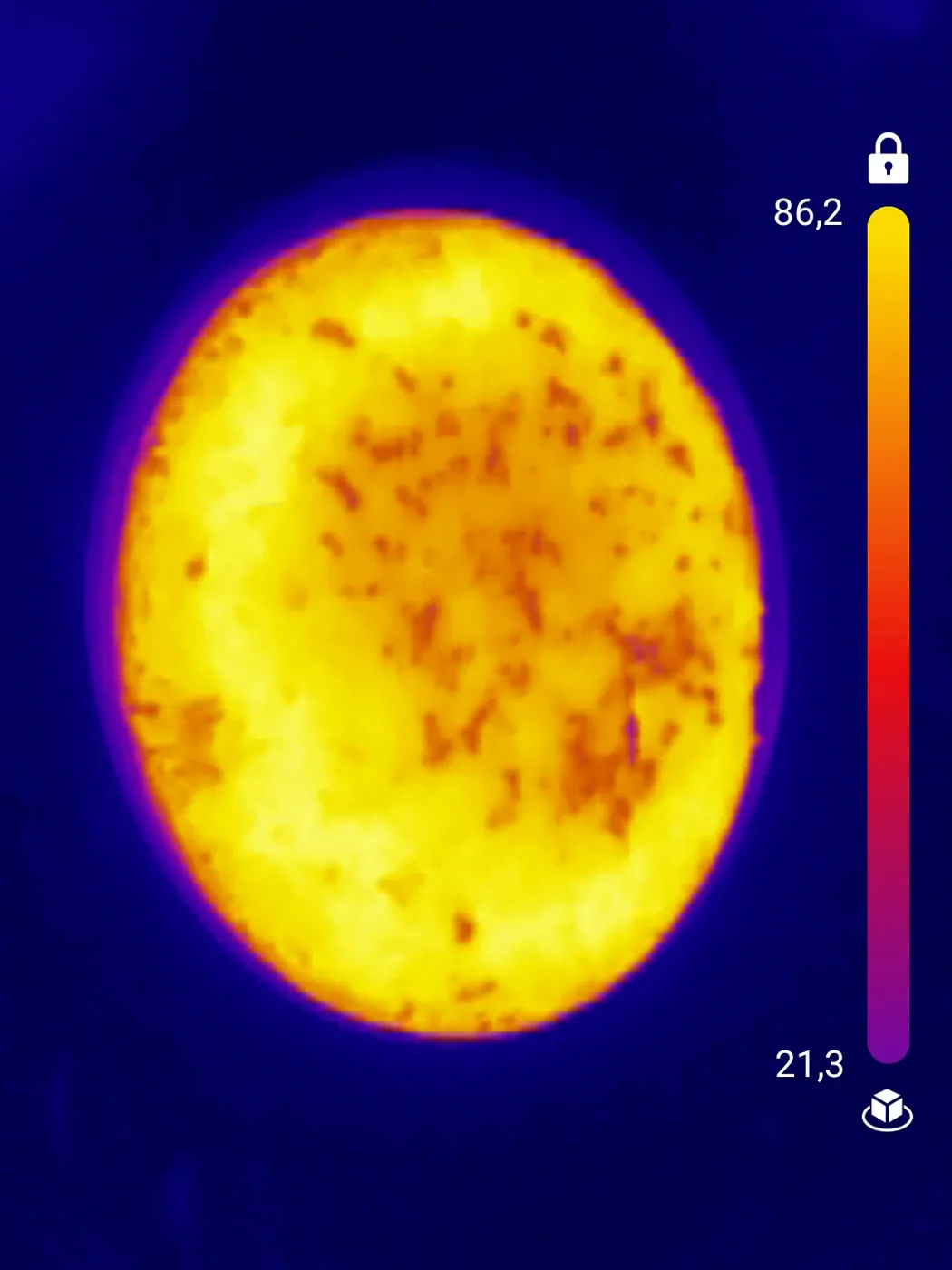
Before any lining work, the leak must be precisely located and the pipe's overall condition assessed. This is where professional slab leak detection in Lynnwood comes in: acoustic listening, thermal imaging, and pressure testing confirm the leak point and reveal whether the rest of the pipe is sound enough to line.
Step 2: Clean the Inside of the Pipe
The pipe interior is cleaned to remove corrosion, scale, and deposits so the epoxy can bond properly. Cleaning is usually done with specialized abrasive or air-driven methods that scour the inner walls without damaging the pipe.
Step 3: Apply the Epoxy Coating
The epoxy resin is pushed through the pipe, coating the interior walls evenly. Application methods vary, but the goal is a consistent thickness along the full treated section with no thin spots or gaps.
Step 4: Cure the Lining
The coating is cured into a hard shell, typically using controlled heat or ambient curing over a set period. During curing, the water to that line stays off. Once cured, the lining is a solid, standalone inner pipe.
Step 5: Test and Restore Service
The lined section is pressure tested to confirm the seal holds, then water service is restored. A final inspection verifies flow and confirms the leak is stopped.
When Epoxy Lining Is a Good Fit
Epoxy pipe lining for slab leaks works best in specific situations:
- Isolated pinholes or small cracks in an otherwise sound pipe. The lining seals the damaged spots and protects the rest.
- Corrosion-prone copper lines where the pipe is thinning in multiple spots but still structurally intact. Lining addresses the whole run at once.
- Hard-to-reach pipe runs under finished flooring, additions, or areas where breaking the slab would be especially disruptive or expensive to restore.
- Minimal disruption priority: households that need the fix done with the least dust, noise, and time without water.
- Sound pipe structure: the existing pipe must be intact enough to serve as a host for the lining. Collapsed or severely deformed sections cannot be lined.
When Epoxy Lining Is Not the Answer
Epoxy lining is not universal. Be cautious about it in these cases:
- Collapsed or badly deformed pipe: lining needs a reasonably round host pipe. Sections that have caved in or flattened cannot hold a lining.
- Large breaks or separated joints: a lining bridges small defects, not major separations or missing pipe sections.
- Severe, widespread deterioration: when the whole system is failing, lining one run just moves the next leak to the next weakest pipe. A repipe may be the honest recommendation.
- Wrong pipe material or size: not every pipe type or diameter is a good lining candidate. A professional assessment of your specific plumbing is essential.
- Unverified leak location: lining the wrong section wastes the entire job. Precise detection must come first, every time.
Epoxy lining is a precision tool, not a magic fix. It excels at sealing small defects in sound pipe with zero demolition, and it fails when asked to rescue pipe that is already structurally gone.
Epoxy Pipe Lining vs Other Slab Leak Fixes
How does epoxy pipe lining compare to the traditional options? Here is an honest side-by-side:
| Repair Method | How It Works | Demolition Level | Best For |
|---|---|---|---|
| Epoxy pipe lining | Seals pipe interior with cured epoxy | Minimal: small access points only | Pinholes and corrosion in sound pipe under finished floors |
| Spot repair | Break slab at leak, fix one section | Moderate: one opening in slab and flooring | Single leak in otherwise healthy, accessible pipe |
| Reroute (bypass) | Abandon old line, run new pipe overhead or through walls | Low at slab, some wall or ceiling work | Multiple leaks, bad pipe condition, costly flooring |
| Full repipe | Replace the whole under-slab system | Varies: often rerouted to avoid slab work | Aging system with repeated failures |
Cost factors differ for each method: lining cost factors include the length of pipe treated and access difficulty; spot repair factors include flooring restoration; reroute factors include the new pipe path and wall patching. Our pipe leak repair overview covers how professionals weigh these choices for Lynnwood homes.
Questions to Ask Before You Choose
If a contractor proposes epoxy pipe lining for your slab leak, ask these questions to protect yourself:
- How was the leak located? Demand specifics: acoustic, thermal, pressure testing. Lining without pinpoint detection is gambling.
- What is the condition of the rest of the pipe? Ask what assessment was done beyond the leak point. Lining a failing system just delays the next leak.
- What material and thickness is the lining? Reputable products have specifications. Vague answers are a warning sign.
- How is the pipe cleaned first? Proper preparation determines whether the lining bonds and lasts. Ask about the cleaning method.
- What warranty comes with the work? Get the terms in writing: what is covered, for how long, and what voids it.
- What are my alternatives? An honest professional will explain why lining beats spot repair or rerouting for your specific case, not just push one method.
Homeowners in Martha Lake and across Snohomish County can start with detection first and repair decisions second. Knowing the exact leak location and pipe condition turns these questions from guesses into a clear plan.
The Bottom Line on Epoxy Pipe Lining
Epoxy pipe lining for slab leaks is a legitimate, low-disruption repair option when the pipe is fundamentally sound and the damage is limited to pinholes, small cracks, or corrosion. It avoids breaking your slab, protects finished flooring, and addresses the treated run in one process. It is not the answer for collapsed pipe, major breaks, or systems that are failing everywhere at once.
The decision always starts with accurate diagnosis. Pinpoint the leak, assess the pipe, then choose the fix that fits the facts: lining, spot repair, reroute, or repipe. If you are weighing epoxy lining for a suspected slab leak, call ProLine Leak Fix Pros at (425) 380-0028. Call for availability and get the precise detection that every good repair decision depends on.