In This Article
You scrub the dark spots off the bathroom wall, and a few weeks later they are back. You notice a musty smell in the hallway that never quite goes away. Most homeowners treat mold as a cleaning problem, but in many cases it is a plumbing problem. Hidden water leaks supply the steady moisture that mold needs to grow, silently, behind walls and under floors, for months before you ever see a spot.
In the damp Pacific Northwest, this connection is especially common. Lynnwood homes deal with rain for much of the year, and a slow leak inside a wall adds constant moisture to an already humid environment. In this guide, we will explain where leak-fed mold hides, the warning signs that your mold problem is really a leak problem, and why finding the moisture source matters far more than scrubbing the visible spot.
Why Mold and Hidden Leaks Go Together
Mold needs three things to grow: organic material to feed on, the right temperature, and moisture. Homes are full of the first two. Drywall, wood framing, insulation, and carpet all feed mold, and indoor temperatures are comfortable for it year-round. The missing ingredient is moisture, and that is exactly what a hidden water leak provides.
A slow drip from a supply line, a weeping joint behind the shower, or a drain pipe leaking inside a wall delivers a constant trickle of water to materials that stay dark and undisturbed. Unlike a one-time spill that dries out, a leak never stops feeding the mold. That is why mold caused by leaks keeps coming back no matter how many times you clean it. Until the moisture source is found and stopped, the growth cycle continues.
Where Leak-Fed Mold Hides in Your Home
Mold from hidden leaks rarely grows out in the open. It starts in the dark, damp places where the leak is feeding it. The most common hiding spots include:
- Behind drywall. The paper backing on drywall is an ideal food source. A pipe leak inside a wall can grow a large colony on the back side of the drywall while the room side looks perfectly normal.
- Under sinks and vanities. Slow drips from supply lines, P-traps, and faucet connections keep cabinet floors damp. Because cabinets are dark and closed, mold thrives there unnoticed.
- In crawl spaces. Plumbing leaks under the house, combined with ground moisture, make crawl spaces one of the most common places for hidden mold in the Pacific Northwest.
- Behind baseboards and trim. Water wicks up from a slab leak or a leaking wall pipe and feeds mold along the bottom of walls, hidden behind the baseboard.
- Around showers and tubs. Failed grout, worn caulk, and leaking shower valves let water into the wall cavity every time someone bathes.
Because these areas stay out of sight, the first clue is often not a visible spot at all. It is a smell, a stain, or a material that starts to warp.
Warning Signs That Mold Points to a Leak
Not every mold spot means you have a leak. Condensation on a cold window is a ventilation issue, not a plumbing failure. But certain patterns strongly suggest a hidden water leak is feeding the growth.
A musty smell that will not go away is the most common clue. If the odor persists after cleaning and airing out the room, moisture is still present somewhere you cannot reach. Mold that returns after cleaning tells the same story: scrubbing removes the surface growth but not the moisture feeding it, so regrowth in the same spot is a classic sign of an active leak. Stains that grow or change color also point to an ongoing water source rather than old damage. Yellow or brown water stains that spread on ceilings or walls mean water is still arriving. Warped or bubbling materials such as swelling baseboards, peeling paint, and buckling flooring mean water is moving through the material, and mold is usually close behind. Finally, mold near plumbing fixtures, under sinks, behind toilets, or around the water heater, almost always traces back to a plumbing leak.
Scrubbing a mold spot without finding the moisture behind it is like mopping the floor while the faucet is still running. Until the hidden leak is found and fixed, the mold will keep coming back.
Why the Moisture Source Matters More Than the Spot
It is natural to focus on the visible mold. It is ugly, it smells, and you want it gone. But the visible spot is only the symptom. The disease is the water feeding it. Every week a hidden leak runs, it soaks deeper into framing, insulation, and subfloor, expanding the damaged area and making the eventual repair bigger.
This is also why surface cleaning can be misleading. Bleach and cleaners remove the visible growth, but they do not dry out the soaked drywall or framing behind it. As long as the material stays wet, new growth returns. The only lasting fix is a two-part job: find and repair the leak, then dry and restore the damaged materials. Skip the first part, and the second part will not hold.
If you are seeing several of the warning signs above, it is worth learning the broader list of hidden water leak signs so you can catch the problem early.
How Pros Trace Mold Back to the Leak
When a homeowner calls us about mold that keeps returning, our job is to find the water feeding it. We do that with tools that see what eyes cannot:
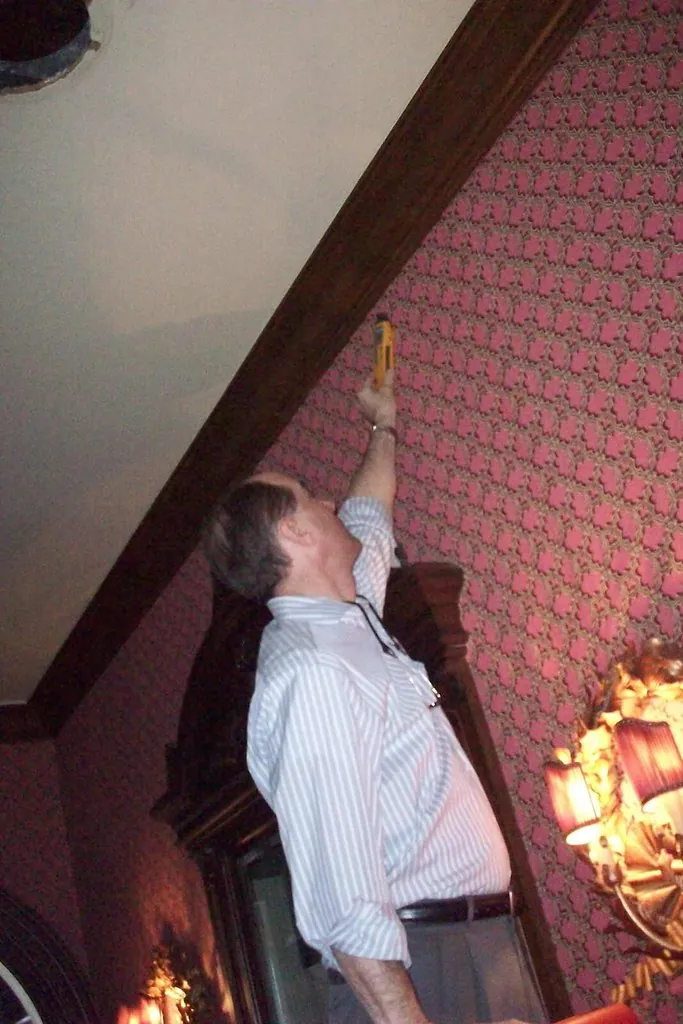
- Moisture mapping. We scan the area around the mold with pinless and pin moisture meters, mapping exactly which materials are wet and how far the moisture spreads. The wettest point usually sits closest to the leak.
- Thermal imaging. An infrared camera reveals cool, damp areas inside walls and floors, showing the full footprint of the moisture, not just the visible mold spot.
- Acoustic listening. If the moisture map points to a pressurized supply line, acoustic sensors listen for the sound of water escaping, pinpointing the leak to a small area.
- Targeted access. With the source located, only a small section of drywall or flooring needs to be opened for the repair, instead of tearing apart a whole wall on a guess.
This non-invasive approach is the same method we describe in our guide to finding leaks behind walls without tearing them down. The goal is always the same: find the exact source with minimal damage to your home.
Prevention Tips for Lynnwood Homes
You cannot stop every leak, but you can make your home far less friendly to mold:
| Prevention Step | What It Does |
|---|---|
| Fix plumbing leaks fast | Removes the constant moisture mold needs to grow |
| Ventilate bathrooms and kitchens | Clears steam and humidity before it soaks into walls |
| Check under sinks regularly | Catches slow drips before they feed hidden growth |
| Keep gutters and drainage working | Keeps rainwater away from foundations and crawl spaces |
| Watch your water bill | A sudden spike can reveal a leak long before mold appears |
For homes with recurring moisture issues, a moisture intrusion inspection can map problem areas before they turn into visible damage.
The Bottom Line: Find the Water, Stop the Mold
Mold and hidden water leaks are partners. The leak supplies endless moisture, and the mold turns that moisture into stains, smells, and damaged materials. Cleaning the spot without finding the source only buys time. The lasting fix starts with locating the leak, repairing it, and then drying out everything it touched.
If mold keeps returning in your Lynnwood home, or a musty smell will not go away, do not just clean it again. Call ProLine Leak Fix Pros at (425) 380-0028 and let our specialists trace the moisture back to its source, without tearing your home apart.