In This Article
Does insurance cover slab leaks? It is one of the first questions homeowners ask when a hidden leak is found under their concrete foundation, and the honest answer is: sometimes. Most homeowners policies draw a sharp line between sudden, accidental water damage and slow, long-term leaks. Where your slab leak falls on that line decides what the insurer pays for.
This guide explains what standard homeowners policies usually cover, what they usually exclude, how to file a claim the right way, and the documentation that gives your claim its best chance. Policies vary by company and state, so treat this as a roadmap, then confirm the details with your own agent.
Does Insurance Cover Slab Leaks? The Short Answer
In most cases, homeowners insurance covers the damage caused by a sudden slab leak, but not the cost of fixing the leaking pipe itself. If a supply line under your slab bursts suddenly and floods the flooring, the insurer will often pay to tear out concrete to reach the leak, dry out the home, and repair the damaged floors and walls. The pipe repair or replacement, though, is usually considered a maintenance issue and falls on the homeowner.
The dividing line is sudden versus gradual. A pipe that bursts without warning is typically a covered event. A pinhole leak that has been seeping for months, slowly warping floors and feeding mold, is often classified as long-term leakage or wear and tear, which most policies exclude. This is one more reason to act fast when you suspect a leak: early slab leak detection in Lynnwood creates a clear record that the problem was found and addressed promptly.
What Homeowners Insurance Usually Covers
While every policy is different, standard HO-3 policies commonly cover these parts of a slab leak event:
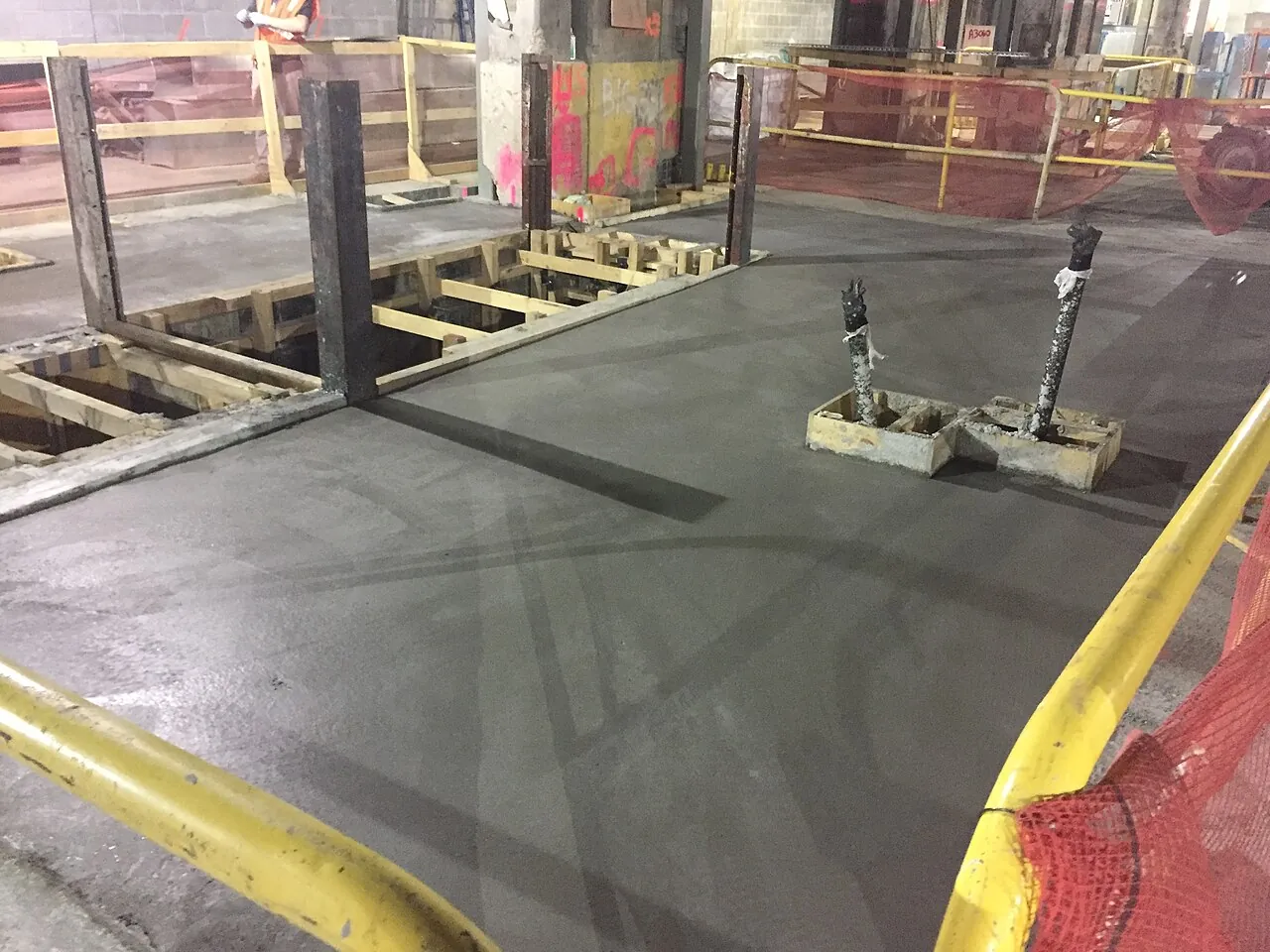
- Access costs: tearing out concrete, flooring, or drywall to reach and expose the leaking pipe
- Resulting water damage: ruined flooring, baseboards, drywall, cabinets, and personal property damaged by the water
- Drying and cleanup: professional water extraction, dehumidification, and drying of the structure
- Sudden pipe bursts: when a pipe fails abruptly rather than corroding over time, some policies cover the pipe repair too
- Additional living expenses: if the damage makes the home temporarily unlivable during repairs
Coverage applies up to your policy limits and minus your deductible, so a claim only makes sense when the damage clearly exceeds what you would pay out of pocket.
What Is Usually Not Covered
These are the exclusions that surprise most homeowners:
- The pipe repair itself: most policies exclude the cost of fixing or replacing the worn, corroded, or failed pipe
- Long-term seepage: leaks that ran for weeks or months before discovery are often denied as gradual damage
- Wear and tear and corrosion: pipes that fail from age or chemical corrosion are considered maintenance issues
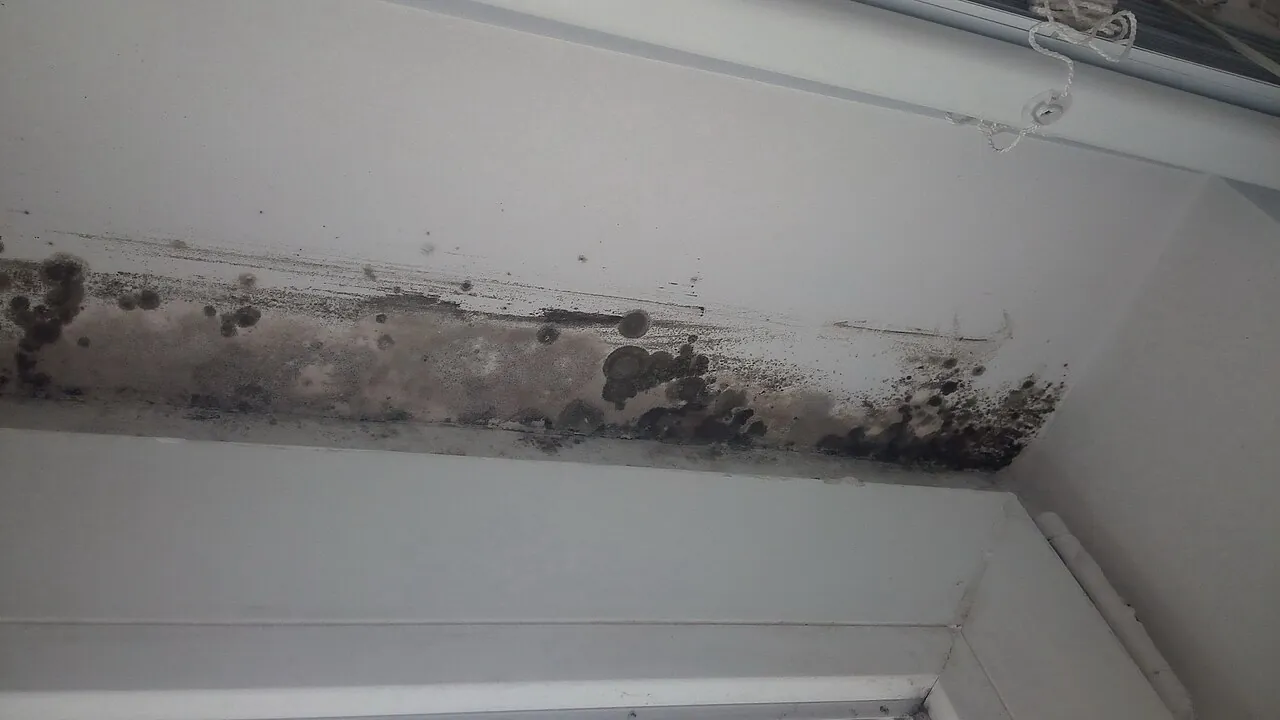
- Mold remediation limits: many policies cap mold coverage at a low sublimit or exclude it unless tied to a covered water event
- Foundation and earth movement: damage from soil settlement or heave caused by the leak is frequently excluded
- Flood: rising groundwater or surface flooding needs a separate flood policy, not homeowners insurance
Reading the exclusions section of your own policy is the single most useful thing you can do before you ever need to file.
Slab Leak Coverage Scenarios Compared
Here is how common slab leak situations are typically treated:
| Scenario | Damage Often Covered? | Pipe Repair Covered? |
|---|---|---|
| Sudden pipe burst under the slab | Usually yes | Sometimes, if the policy covers the burst itself |
| Slow pinhole leak found months later | Often partially or denied as gradual | Usually no |
| Concrete tear-out to reach the leak | Usually yes, as access cost | Not applicable |
| Mold from the leak | Capped or excluded in many policies | Not applicable |
| Flooring and drywall damage | Usually yes | Not applicable |
| Corroded pipe replacement | Not applicable | Usually no, considered wear and tear |
An adjuster decides based on your policy language and the evidence, which is why documentation matters so much.
Insurers pay for sudden accidents, not slow neglect. The faster a slab leak is found and documented, the stronger the line between covered damage and excluded wear.
How to File a Slab Leak Insurance Claim
Follow these steps in order to give your claim the best chance:
- Stop the water. Shut off the main valve if water is actively flowing. Insurers expect you to prevent further damage.
- Document everything. Photograph and video the damage, the water source area, your water bills showing the spike, and any visible signs before anything is moved or torn out.
- Get a professional leak detection report. A written report from a leak detection specialist in Lynnwood showing the leak location, method used, and findings carries weight with adjusters.
- Review your policy. Check your declarations page for coverage limits, your deductible, and the water damage and mold exclusions before you call.
- File promptly. Call your insurer's claims line and report the loss. Delayed reporting gives the insurer room to argue the damage was gradual.
- Meet the adjuster. Walk them through the damage, share your detection report and photos, and keep copies of everything you hand over.
- Get repair estimates in writing. Written estimates for the access work, drying, and restoration help the adjuster set the claim value.
Tips That Help Your Claim Succeed
- Never describe the leak as old. Stick to facts and dates: when you noticed the signs, when detection confirmed it, when you shut the water off.
- Keep a timeline. A simple dated log of symptoms, calls, and actions shows you responded promptly.
- Save damaged materials. Do not throw away ruined flooring or drywall until the adjuster has seen them.
- Ask about sublimits. Mold, additional living expenses, and ordinance upgrades often have separate caps; know them before repairs start.
- Consider a moisture survey. A professional moisture intrusion inspection maps the full extent of water migration, which supports a complete damage claim.
- Know when to push back. If a claim is denied, ask for the denial in writing with the exact policy language cited, then review it with your agent.
Know Your Policy Before Water Finds the Weak Spot
Does insurance cover slab leaks? For sudden bursts and the damage they cause, usually yes. For slow leaks, corroded pipes, and long-term seepage, usually no, or only partly. The difference comes down to your policy language, your deductible, and how quickly you find and document the problem.
The smartest move is a professional leak detection visit at the first sign of trouble: a warm floor spot, a climbing bill, or the sound of running water with everything off. Fast detection limits the damage, creates the documentation your claim needs, and keeps a small problem from becoming a major repair. Call ProLine Leak Fix Pros at (425) 380-0028. Call for availability and get a precise diagnosis of your slab leak today.