In this article
Under thousands of Lynnwood homes lies a shallow, dark, rarely visited space that can make or break the health of the entire house: the crawl space. In our climate, with months of rain saturating the ground every year, crawl spaces are moisture magnets. And because almost nobody goes down there, crawl space moisture problems can develop for years, rotting floor joists, growing mold colonies, and pushing musty air up into the living space, all completely unseen.
If your home has a crawl space, this guide is essential reading. We will cover why Lynnwood crawl spaces are so vulnerable, the warning signs you can spot without suiting up, what the moisture actually does to your home, and how professionals diagnose and fix it.
Why Lynnwood Crawl Spaces Get Wet
A crawl space is essentially a shallow basement without a proper floor, and in the Pacific Northwest, several forces conspire to keep it damp:
High water tables and saturated soil. During our long rainy season, the ground around and beneath your home stays soaked for months. Water moves through soil by capillary action and hydrostatic pressure, seeping up through the dirt floor of the crawl space even when no pipe is leaking.
Poor exterior drainage. Gutters that dump next to the foundation, soil sloping toward the house, and missing downspout extensions concentrate thousands of gallons of roof runoff exactly where the crawl space is most vulnerable.
Vented designs that backfire. Many older crawl spaces were built with vents intended to "air them out." In our humid climate, those vents often do the opposite, admitting warm moist summer air that condenses on cool surfaces, and cold winter air that chills pipes toward freezing.
Plumbing leaks. Supply and drain lines run through most crawl spaces. A slow drip from a joint or a pinhole in a copper line can soak the ground for months before anyone notices, and in a dark crawl space, nobody is watching.
Missing or damaged vapor barriers. The heavy plastic sheeting that should cover the dirt floor is often torn, displaced, or was never installed. Without it, ground moisture evaporates directly into the crawl space air around the clock.
8 Signs of Crawl Space Moisture (No Suit Required)
You do not need to crawl under the house to spot trouble. These signs are visible from inside or around the home:
- Musty odors in the living space, especially on the ground floor. Up to half the air you breathe upstairs can originate in the crawl space through the stack effect.
- Cupped or warped hardwood floors above the crawl space, caused by moisture wicking up into the flooring from below.
- Cold floors in winter that never seem to warm up, often paired with damp insulation hanging from the joists.
- High indoor humidity and condensation on windows that persists despite ventilation.
- Mold on baseboards or lower walls, particularly on the ground floor.
- Standing water or perpetually damp soil visible around foundation vents after rain.
- Spongy or bouncy floors, which can indicate joists softened by rot.
- Increased allergy or respiratory symptoms at home that improve when you are away, a classic sign of hidden mold exposure.
What Moisture Does: Mold, Rot, and Pests
| Problem | How moisture causes it | Consequence if ignored |
|---|---|---|
| Mold and mildew | Constant humidity above 60 percent feeds colonies on wood and insulation | Air quality issues, musty home, costly remediation |
| Wood rot | Decay fungi thrive in wood above 20 percent moisture content | Weakened joists and subfloor, structural repairs |
| Insulation damage | Wet fiberglass sags, compresses, and loses R-value | Cold floors, higher heating bills |
| Pest infestation | Damp wood attracts termites, carpenter ants, and rodents seeking water | Structural pest damage on top of moisture damage |
| Pipe corrosion | Persistent dampness corrodes metal pipes and hangers | Pinhole leaks that add even more water |
| Foundation issues | Pooling water erodes soil under footings | Settlement, cracks, and structural movement |
Notice the vicious cycles: moisture causes rot that weakens the structure, attracts pests that cause more damage, and corrodes pipes that then leak more water into the space. Crawl space problems do not stabilize on their own. They compound.
The crawl space is the only part of your house you never look at and the first place water collects. In Lynnwood's climate, "out of sight" should never mean "out of mind."
How Professionals Inspect a Crawl Space
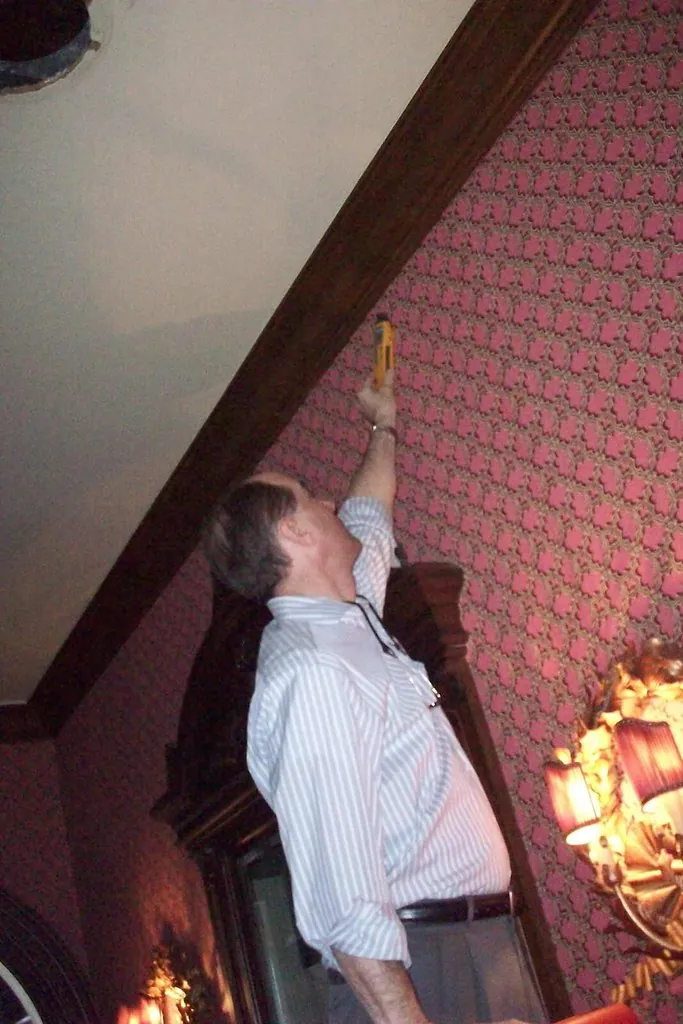
A professional moisture intrusion inspection of a crawl space is methodical. The technician, equipped with proper protective gear, documents standing water and drainage patterns, then takes moisture meter readings on joists, subfloor, and sill plates across a grid to map the dampness. Thermal imaging can reveal cold, wet insulation and active leaks quickly across large areas. Plumbing lines are checked for drips, corrosion, and condensation. The vapor barrier's condition is assessed, vents and access points are checked for proper sealing, and any mold growth or wood decay is documented with photos.
The deliverable is not just "it is wet." It is a map showing where moisture is worst, an assessment of whether the source is groundwater, drainage, plumbing, or condensation, and a prioritized fix list. That distinction matters because the fixes for a plumbing leak and for groundwater seepage are completely different.
Fixing It: Drainage, Barriers, and Drying
Effective crawl space repair follows a logical order: stop water from getting in, then deal with the moisture that remains.
- Fix exterior drainage first. Extend downspouts, regrade soil away from the foundation, and clear gutters. This single step resolves a large share of crawl space moisture.
- Repair plumbing leaks. Any active drip must be fixed before anything else, or you are drying a space that is still being filled. Our water leak detection service pinpoints hidden pipe leaks in crawl spaces without guesswork.
- Install or replace the vapor barrier. Heavy-duty polyethylene sheeting, properly overlapped and sealed at seams and piers, blocks ground moisture from evaporating into the space.
- Seal vents and air-seal the space. Closing foundation vents and sealing gaps stops humid outside air from condensing on cool surfaces.
- Add drainage inside if needed. An interior French drain and sump pump handle water that still finds its way in during the heaviest rains.
- Consider encapsulation and dehumidification. A fully encapsulated crawl space with a dedicated dehumidifier keeps humidity in the safe zone year-round, protecting structure and air quality alike.
Crawl space moisture is one of the most common and most neglected problems in Lynnwood homes, from Alderwood ranches to Perrinville split-levels. If you recognize any of the eight warning signs, call ProLine Leak Fix Pros at (425) 380-0028 for a thorough, non-invasive moisture inspection. We will show you exactly what is happening under your home and what it will take to fix it right.